Old Apple vulnerability is being used by hackers again to steal data from iPhones
Read more
Olhar Digital
olhardigital.com.br

Old Apple vulnerability is being used by hackers again to steal data from iPhones

Hackers have begun actively exploiting an old vulnerability in Apple systems to compromise browsers and steal credentials. This flaw affects users of iPhone, Mac, and iPad who have not installed the updates released in May 2024, according to The Hacker News.

The US Cybersecurity and Infrastructure Security Agency (CISA) has added the code CVE-2024-27834 to its catalog of actively exploited vulnerabilities after confirming new attacks. This vulnerability was first presented during the Pwn2Own Vancouver competition in March 2024.

Although Apple released fixes for iOS, iPadOS, macOS, tvOS, watchOS, and Safari two months later, devices without updates remain vulnerable. This can happen either due to user forgetfulness or the need to keep older versions for compatibility with legacy software.

To spread the attacks, criminals compromised the Plerdy SEO Tracker tool, which administrators use to monitor website traffic and visits. Furthermore, they created fake pages and infected legitimate portals.

The infection occurs while using Safari. JavaScript code detects the device model and checks if the system is outdated. Upon detecting a vulnerable version, the exploit runs without requiring any action from the victim, such as clicking a link or downloading files.

The primary goal of the attackers is to capture session cookies—small pieces of data stored in the browser that maintain the user's connection to services without requiring password re-entry upon each access. With these records, criminals can clone the victim's session on another computer and gain access to email and work platforms. This method also allows bypassing two-factor authentication (2FA), which usually requires a temporary code in addition to a password.

The attacks are linked to the APT29 group, also known as Cozy Bear or Midnight Blizzard, which is associated with Russia's Foreign Intelligence Service. CISA also warns users in Brazil: Apple devices that have not yet received the patches remain susceptible to exploitation of this vulnerability. Therefore, it is crucial to check for pending updates on iPhone, iPad, or Mac and install them to protect devices. The article about the old Apple vulnerability being reused to steal data from iPhones first appeared in Olhar Digital.
Similar stories

AI-driven chip price hikes reduce Apple's negotiating power with suppliers
Read more
olhardigital.com.br

AI-driven chip price hikes reduce Apple's negotiating power with suppliers

The sharp increase in flash memory costs, driven by the growing demand from artificial intelligence companies, has significantly altered the relationship dynamic between Apple and its supply partners. The company, which previously exerted great pressure for discounts, now faces higher expenses and diminished negotiating power.

According to TechInsights, the prices of these memories grew fivefold in the last year, strengthening the commercial position of manufacturers like Kioxia. For many years, Apple held the title of the world's largest buyer of flash memory, an essential component for storing data such as photos, music, and applications.

Previously, Apple's purchasing volume allowed it to demand low prices and favorable contractual terms. Two years ago, Apple purchased almost twice the amount jointly acquired by Microsoft, Amazon, Meta, and Google, according to TechInsights estimates. Currently, these four corporations together account for double the market share that Apple once held.

In 2026, Meta, Microsoft, and Amazon signed long-term supply contracts with Kioxia, agreeing to accept higher prices. These agreements also guarantee the manufacturer's profits should there be changes in the market scenario.

Although flash memory represents a smaller portion of the total cost of a data center compared to iPhone production, accounting standards allow these costs to be distributed over several years, which helps justify the higher payment made by AI companies for the components.

TechInsights projects that Apple will invest US$ 25 billion (approximately R$ 131.25 billion) in flash memory in 2026, compared to the US$ 6 billion (R$ 31.5 billion) forecast for 2025, to acquire a similar amount of material.

This increase caught Apple by surprise, even after prior warnings from analysts, according to sources familiar with the company's purchasing practices interviewed by The Wall Street Journal. In 2023, the price of flash memory reached five cents per gigabyte; with the demand from the AI sector, this value exceeded 30 cents, representing a jump of over 500% from that previous level.

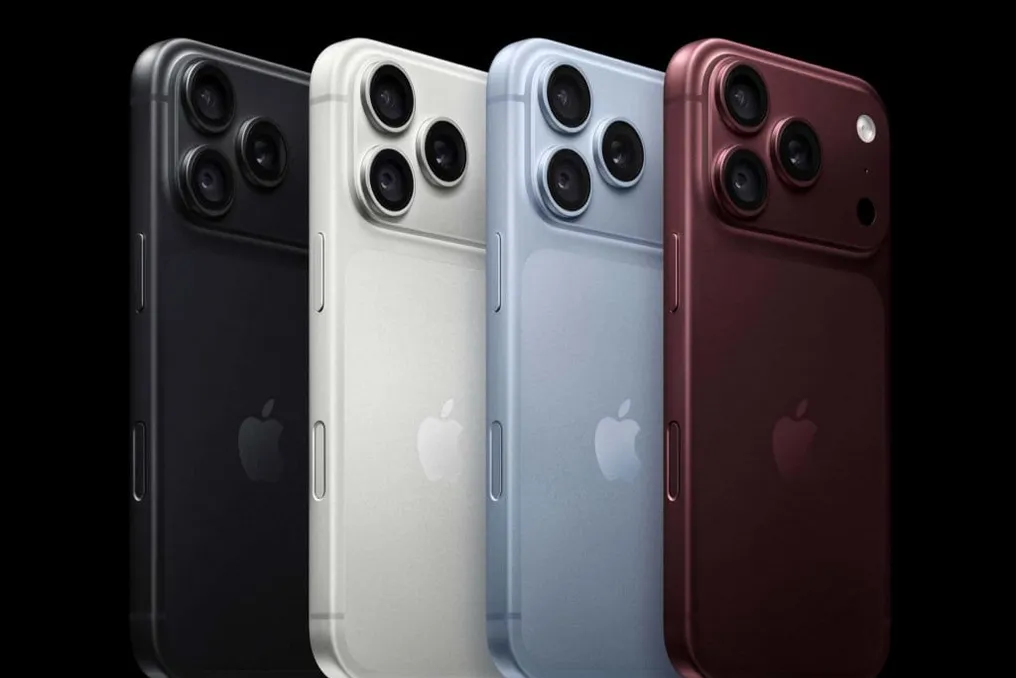
The increased cost directly impacts the profitability of higher storage capacity versions. In the iPhone 17 Pro, Apple charged an extra US$ 200 for the 512 GB version compared to the base 256 GB model. At that time, the cost of the additional memory for the company was US$ 15, which rose to US$ 66.

An analysis by The Wall Street Journal indicates that, from the launch of these products until 2025, Apple generated, on average, more than US$ 0.80 in gross profit for every dollar charged for extra storage on iPhones and iPads.

Cost pressure is also accompanied by product price adjustments. In recent months, Apple has adjusted almost its entire line, registering an average increase of 13% in iPhones, including older models that are often more affordable with the arrival of new releases.

Walt Coon, an analyst at TechInsights, summarized the transformation in supplier positioning: 'Historically, Apple negotiated extremely rigorously with memory suppliers. And there is no shortage of satisfaction among suppliers now that the balance of power is shifting.'

The relationship between Apple and suppliers took shape in 2001 when Toshiba engineers presented the company with a 1.8-inch, 5 GB hard drive. Apple secured exclusive rights to this component, which became central to the iPod.

In 2005, the company began using flash memory in the iPod Nano and prepaid US$ 1.25 billion to secure supply until 2010. The launch of the iPhone in 2007 expanded its purchasing power and consolidated a negotiation tactic focused on low prices, financial audits of manufacturers, and contracts aiming for commercial conditions equal to or better than those offered to other clients.

In 2023, when reduced device demand caused memory prices to fall, Bernstein Research predicted operational losses of US$ 19 billion for the sector. In the same year, Apple earned US$ 14 billion in gross profit from the sale of additional storage. However, the expansion of artificial intelligence infrastructure raised demand and component costs, strengthening manufacturers in negotiations. The company that once used its purchasing power to impose terms now faces a market where securing supply means accepting higher costs.

Apple promises to replace foldable iPhones with internal screen defects
Read more
olhardigital.com.br

Apple promises to replace foldable iPhones with internal screen defects

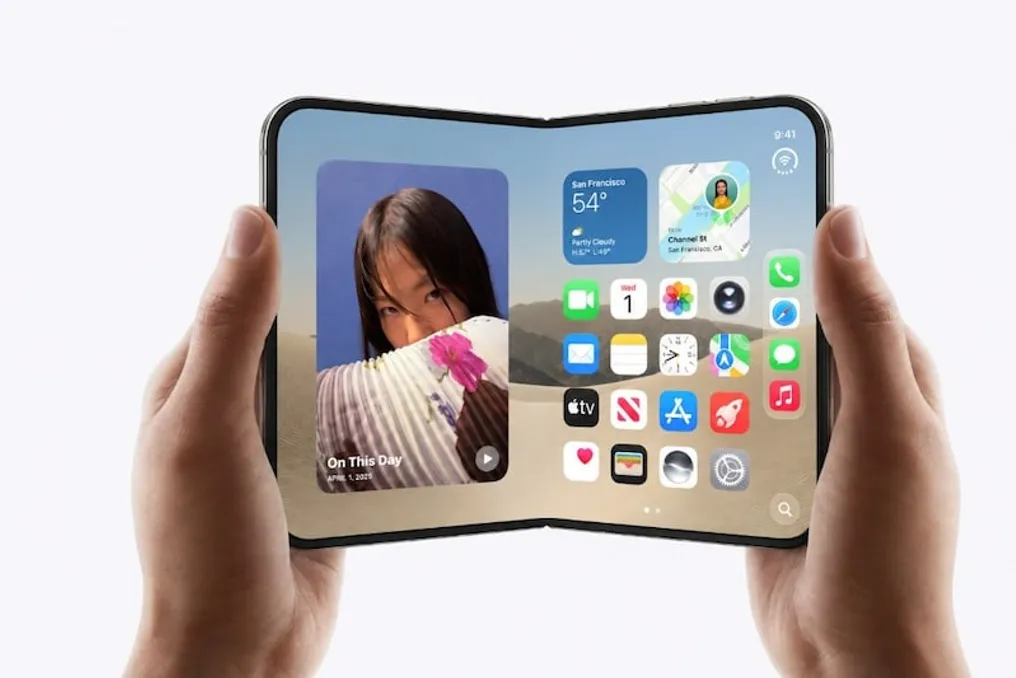
Apple announced that it is aware of issues with the internal screen of its first foldable phone, the iPhone Duo, and has committed to replacing affected units.

Since its launch last Friday (23rd), some consumers have begun reporting failures in the device's internal panel. According to reports circulated online, these failures manifest as bright horizontal lines emerging from the area near the hinge.

In response to these occurrences, Apple confirmed on Monday (26th) that the problem affects only a 'small number' of devices. The company advised customers who find screen defects to contact AppleCare to request a device replacement.

A company spokesperson informed CNBC: 'We are aware of an issue affecting the internal screen of a small number of iPhone Duo units. If users experience problems with the iPhone Duo screen, they should contact AppleCare to request a replacement.'

The initial cost of the device is US$ 1,999 (equivalent to R$ 21,999 in Brazil). For cases where the device is not covered by warranty, the repair of the internal screen costs US$ 999 (approximately R$ 5,400), as detailed on Apple's support page.

Internal screen failures are a known challenge in the foldable phone market since 2019, when Samsung introduced a model with this format, and reviewers noted cracks and panel malfunctions during normal use.

Screen durability remains a factor that may limit the wider acceptance of this type of technology. Despite recent issues, initial reviews of the iPhone Duo praised the user experience with the device open, especially for multitasking and media consumption tasks.

However, reviewers also pointed out that many applications were not yet optimized to take advantage of the larger and wider screens. Apple assured on Monday that developers are already working on adapting their software to the new format. A company representative stated that the initial reception of the iPhone Duo was 'extremely positive,' and that they are observing interesting progress from developers who are quickly updating their apps to leverage the device's unique design.

Screen damage reports emerge for some buyers after the launch of iPhone Duo
Read more
www.aajtak.in

Screen damage reports emerge for some buyers after the launch of iPhone Duo

Despite expectations that Apple would set a new standard in the foldable phone world with the release of the iPhone Duo, questions arose regarding the condition of this expensive device shortly after sales began. Some users claim that the internal screen of the phone started cracking after only a few open and close cycles. Complaints about flickering lines appearing on the display were also received.

The initial price of the iPhone Duo in India is 299,900 rupees. Given this, buyer concerns are understandable if such an expensive gadget's screen fails upon first use. Nevertheless, it is premature to conclude a serious structural defect in the phone. Complaints have been received, but the full picture of how many devices are affected and what the true cause is remains unclear.

Sales of the iPhone Duo started on October 23, 2026. Following this, some buyers began posting photos of their phone screens on Reddit and other online platforms. The pictures showed cracks or glowing lines in the central part of the screen, where the phone folds.

One user stated that the screen failed approximately six hours after purchase. He reported opening and closing the phone less than twenty times. Upon opening, he felt something unusual near the hinge, accompanied by a crunching sound, after which a crack appeared on the screen. According to the report, this buyer had the phone replaced at an Apple Store. Other users also shared similar images; in some cases, green or bright lines were observed on the screen, while other complaints recorded damage in the central part of the device.

However, caution must be exercised when analyzing these photos and user statements. Every photo published online has not undergone independent verification. Furthermore, there is information suggesting that some pictures might have been taken on demonstration models displayed in stores. Therefore, these complaints cannot lead to the conclusion that all iPhone Duo screens are failing.

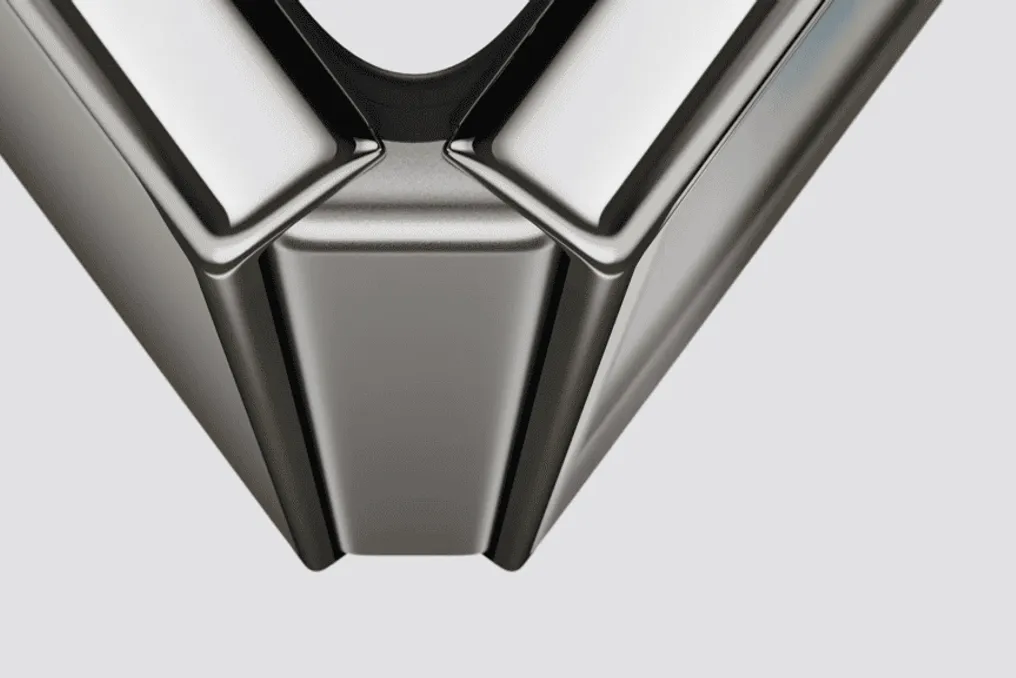
The website iFixit, which specializes in phone repair and internal component research, disassembled the iPhone Duo to examine its structure. During the inspection, it was found that dust particles can enter the hinge. Dust getting stuck between components can cause difficulty when folding the phone and, in certain situations, create a risk of pressure on the screen.

iFixit listed several possible causes for screen cracks. These include improper positioning of some hinge part, pressure from a small particle on the screen, increased stress in a specific area due to frequent folding, and manufacturing defects.

An important design feature of the phone was also identified: numerous components and supports are located closely together in the central part of the screen. With repeated opening and closing of the phone, pressure in this area can increase. If any part of the hinge functions incorrectly, it can damage the flexible screen.

In foldable phones, the hinge design is as crucial as the screen itself. With every opening and closing of the screen, the phone bends, and various parts of the hinge move. If dust or a small particle gets into the wrong place, it can exert pressure on a part. iFixit's investigation showed signs of dust entering the iPhone Duo hinge. This raises the question of how protected the phone is during daily use, especially in dusty conditions. However, dust entering the hinge itself is not proof that it is causing cracks on all screens.

This is the most important question in this situation. The initial cost of the iPhone Duo in India is 299,900 rupees. The estimated cost of replacing the internal screen out of warranty can reach 149,900 rupees. Thus, screen repair could cost almost half the initial price of the device.

Nevertheless, the customer does not necessarily have to pay this amount for every damaged screen. If an expert examination determines that the malfunction occurred due to a manufacturing problem during normal use, the repair or replacement may be covered under the one-year limited warranty. On the other hand, the company may consider damage resulting from drops, external pressure, or misuse otherwise.

Popular