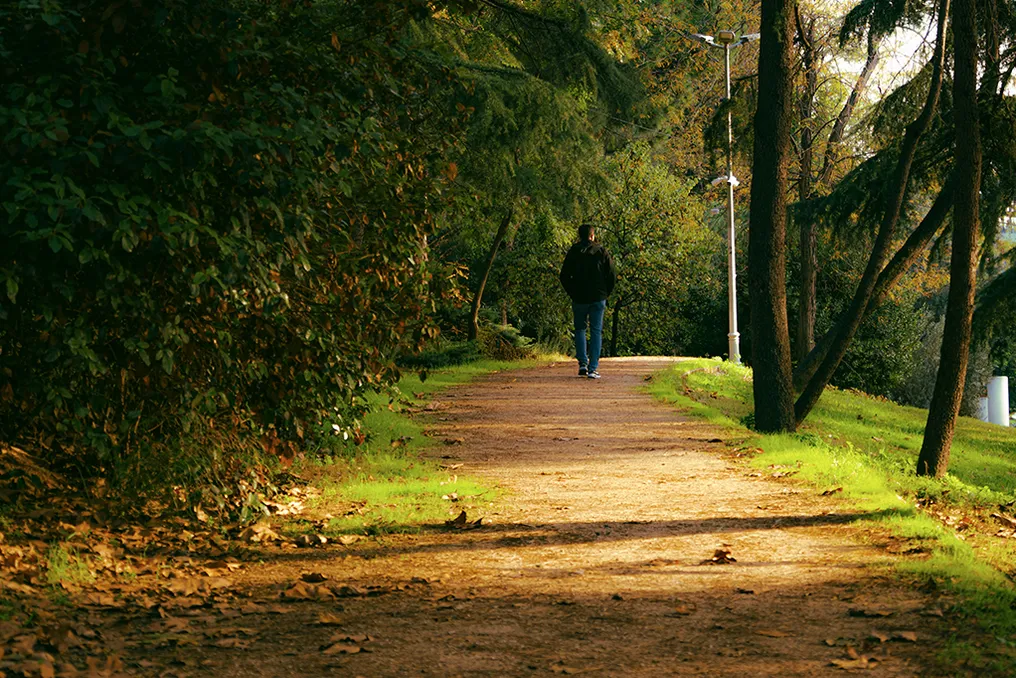
Having a personal garden or living in an area with many nearby parks may help reduce the likelihood of developing type 2 diabetes. This is supported by a study published in the journal BMC Public Health, which tracked over 400,000 people in the UK for approximately 15 years.
Researchers found that people living in areas with more residential gardens had about a 7% lower risk of developing the disease. Among participants who had three or more parks within 800 meters of their home, the risk of illness was 5.7% lower.
Expert Opinion on the Link Between Lifestyle and Diabetes
Geriatrician Erika Satomi from Einstein Hospital Israelita notes that type 2 diabetes is linked to both insufficient physical activity and obesity and unhealthy lifestyles, including inflammatory diet. She emphasizes that people who use green spaces are generally more physically and socially active, have less exposure to pollutants, and are less prone to hypodynamia.
However, this does not mean that having a garden itself prevents diabetes. The link identified in the study is likely indirect. An active lifestyle reduces the risk of the disease primarily by decreasing body fat and insulin resistance, which are risk factors for type 2 diabetes.
There is also evidence that contact with green areas affects the reduction of cortisol levels and blood pressure, as well as causing changes in cardiovascular markers and increasing adiponectin—a substance associated with metabolic protection. Satomi notes that it is not yet clear through which mechanism this effect occurs or what type of green space usage has such an impact.
Another point raised in the study is the number of available parks. Researchers did not find a correlation between the distance to the nearest park and the risk of diabetes, but they did notice a lower risk among those who had three or more parks within 800 meters.
Nevertheless, this could also indicate areas with better socioeconomic conditions, which generally provide easier access to medical services, quality nutrition, and other opportunities for physical activity.
Study Limitations and Recommendations
The geriatrician analyzes that when speaking of a 7% or 5.7% risk reduction, the impact of less green versus greener conditions is compared, not the density of the greenery. She believes that socioeconomic status might have had a much greater influence than just having one, two, or three parks.
Gardening can help prevent hypodynamia, but it cannot be considered a substitute for physical exercise. The study itself did not check whether participants engaged in gardening at home. Erika Satomi asserts that any physical activity that helps break out of a state of hypodynamia and stress has the potential to prevent diabetes, complementing improved quality of life.
For apartment dwellers or residents of areas without nearby parks, growing plants in pots can be an alternative to increase contact with nature and provide moments of relaxation. However, the most important thing is not to forget long-established prevention factors. The physician from Einstein insists on the need to consider larger factors, such as promoting real physical activity, social interaction, and improving the population's nutritional quality.