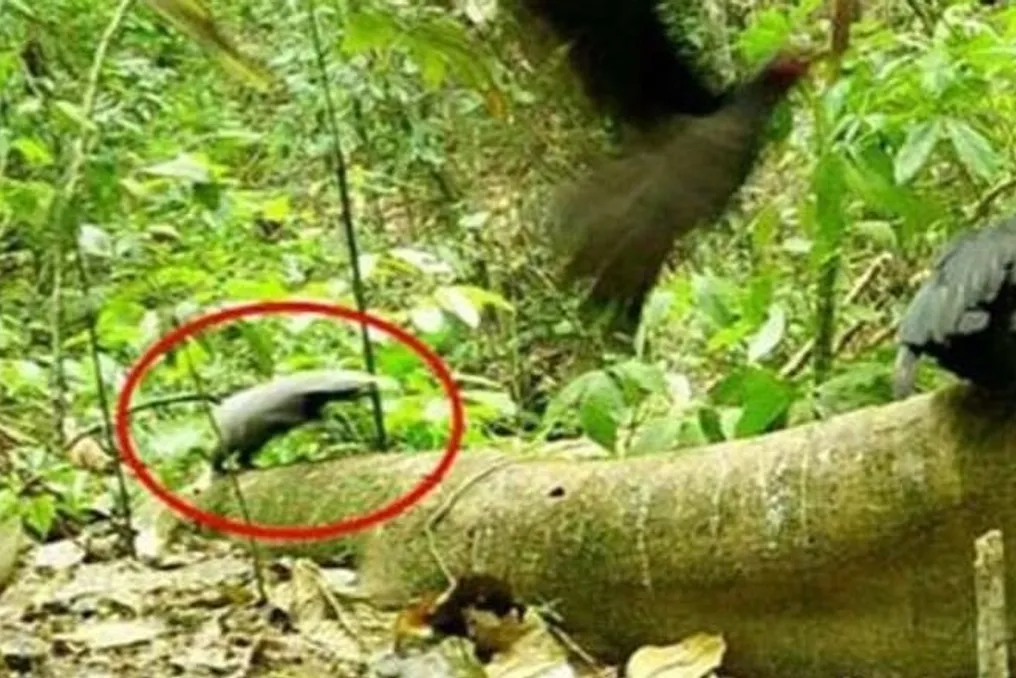
Grizon attacked turkey vultures in Ecuadorian tropical forests
Read more
N+1
nplus1.ru

Grizon attacked turkey vultures in Ecuadorian tropical forests

A camera trap placed in the dry tropical forests of Ecuador recorded an unsuccessful attack attempt by a grizon—a medium-sized predator belonging to the weasel family—on turkey vultures. Zoologists provided a detailed description of this incident.

According to information published in the scientific journal Journal of Raptor Research, this case is the first documented example of a grizon or any other species of non-human mammal hunting turkey vultures. It is presumed that the cause of the predator's aggression was the lack of food resources during the dry season.


Similar stories

Braille books are being delivered to the homes of visually impaired readers
Read more
uza.uz

Braille books are being delivered to the homes of visually impaired readers

New opportunities have been created for visually impaired readers in the republics. Currently, literature in Braille script is being delivered even to their homes.

Nikon published the results of the 52nd Nikon Small World microphotography contest
Read more
nplus1.ru

Nikon published the results of the 52nd Nikon Small World microphotography contest

Nikon presented the results of its 52nd microphotography contest called Nikon Small World. Contestants used microscopes to photograph a wide variety of objects, including neurons, slime molds, and crystals. Even ordinary items, such as a ballpoint pen, took on the appearance of works of art under multiple magnification.

Twenty prize-winning works were selected within the framework of the contest, as well as seven photos that attracted special attention from the company's editorial team.

Spiny-tailed viper uses tail growth to attract prey
Read more
nplus1.ru

Spiny-tailed viper uses tail growth to attract prey

There is a group of snakes that employ unconventional hunting methods: they remain motionless and slightly sway the tip of their tail. Thanks to this maneuver, birds, frogs, and lizards mistakenly mistake this tip for a worm. More than fifty species of snakes use a similar tactic.

However, the spiny-tailed viper is the most masterful at luring prey. This species inhabits the mountains of Iran, and information about it was only documented in 2006.

A characteristic feature of this snake is a growth on the end of its tail that externally resembles a spider with a massive body and numerous limbs. The movements of this false spider attract birds, which attempt to peck at this imitation, thereby receiving a venomous bite.

Popular