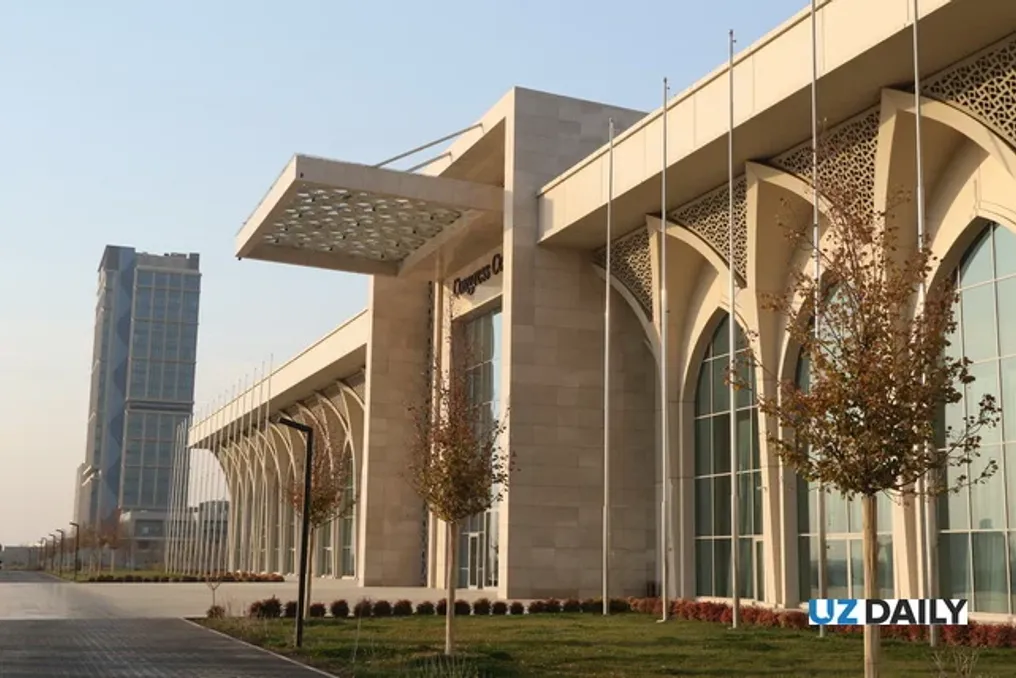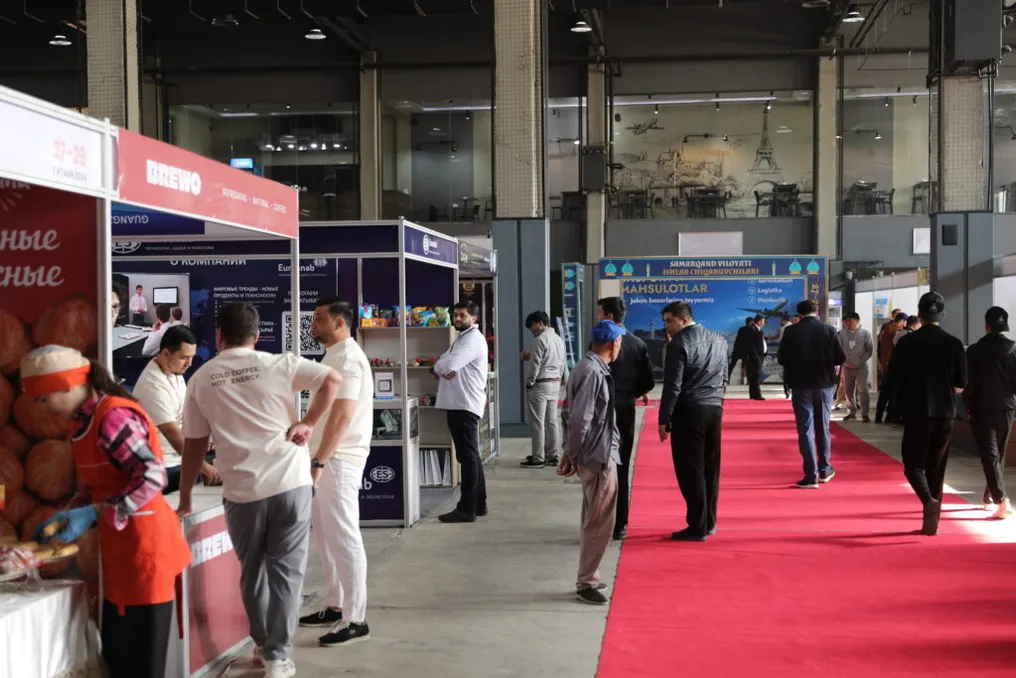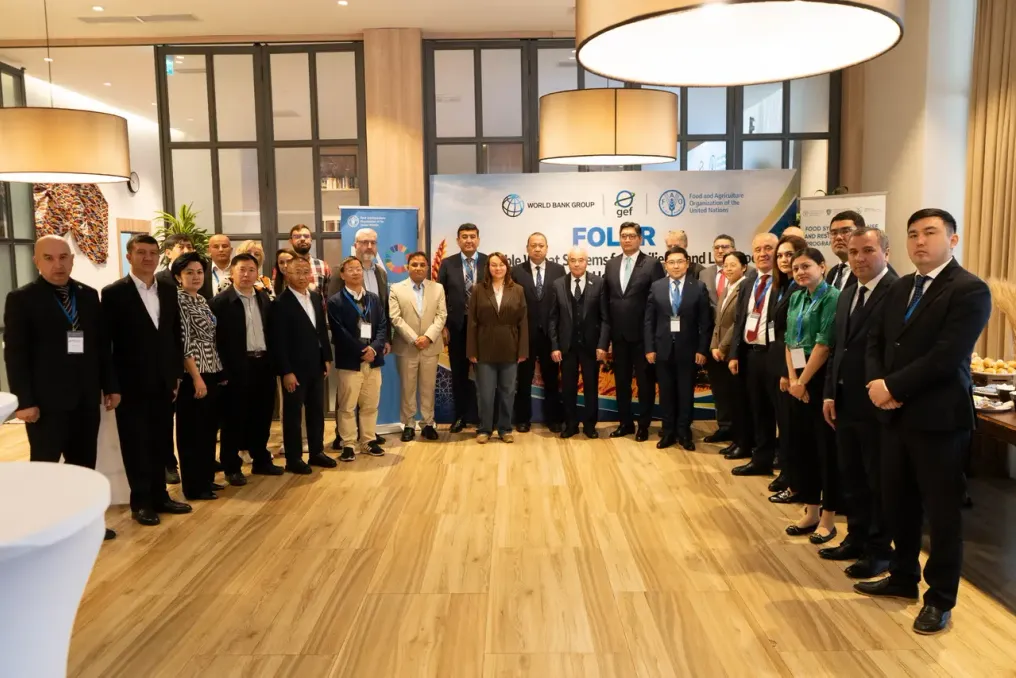
A regional conference was held in Samarkand dedicated to developing methods for sustainable wheat production under changing climate conditions. The event brought together scientists, government representatives, and international organizations to exchange experiences in modern agricultural technologies and discuss ways to improve farmers' well-being.
The topics discussed covered the entire value chain of wheat—from soil fertility preservation to grain marketing. The seminar, titled 'From Soil Health to Markets: Sustainable Wheat Production Systems for Climate Change Adaptation and Improving Farmers' Well-being,' was conducted as part of the global FOLUR program, supported by the Food and Agriculture Organization of the United Nations (FAO).
The opening ceremony was attended by Rustam Holmurodov, a member of the Senate of the Oliy Majlis of Uzbekistan; Jusipbek Kazbekov, Deputy Chairman of the National Committee on Ecology and Climate Change; Nuriddin Kushnazarov, Advisor to the Minister of Agriculture; and Sherzod Umarov, FAO representative in Uzbekistan.
Speakers presented key priorities concerning soil fertility preservation, efficient use of natural resources, and the implementation of technologies that can help agriculture adapt to climate change.
The seminar gathered delegations from Uzbekistan, China, Nepal, Morocco, Italy, Switzerland, India, Palestine, Poland, Kazakhstan, Great Britain, and Ukraine, as well as representatives from the World Bank, the International Center for Agricultural Research in the Dry Areas (ICARDA), and the International Maize and Wheat Improvement Center (CIMMYT).
Rustam Holmurodov emphasized that sustainable wheat production is directly linked to food security and farmers' incomes, making it crucial to transform scientific recommendations into practical solutions that farmers can apply on their plots.
As part of the scientific program, experts from Uzbekistan, China, Nepal, Italy, Switzerland, Palestine, and Poland presented reports on global trends in wheat production, minimum tillage methods, crop diversification, plant disease control, breeding, regenerative agriculture, water-saving technologies, and agricultural digitalization.
Special attention was paid to opportunities for increasing added value at various stages of the production and sales chain, as well as reducing the environmental impact of the agricultural sector. Participants analyzed how modern agrotechnologies can contribute to lowering production costs and increasing the resilience of wheat cultivation to climate risks.
Jusipbek Kazbekov, Deputy Chairman of the National Committee of Uzbekistan on Ecology and Climate Change, stated that the long-term goal in wheat production should be to increase yields while simultaneously preserving soil fertility, the environment, and biodiversity.
Directions for developing wheat varieties resistant to pests and diseases, implementing modern advances in breeding, and using biological methods for plant protection were also discussed. Participants stressed the need to develop the entire value chain and expand farmers' access to advanced technologies.
Nuriddin Kushnazarov, Advisor to the Minister of Agriculture of Uzbekistan, noted that the benefits of new technologies must be evident to farmers in the field: they should reduce water consumption and production costs, improve crop quality, and increase income. He added that demonstration plots allow such solutions to be assessed in practice and presented to farmers.
Representatives from Uzbekistan, China, Kazakhstan, India, and Ukraine shared information on the progress and results of national projects implemented under the FOLUR program. In particular, the FOLUR project in Uzbekistan, carried out with the participation of FAO, aims to introduce sustainable farming methods in areas affected by soil salinization and drought. Its main objectives include improving soil condition, more rational use of land and water resources, and increasing farm household incomes.
The practical part of the seminar included visits to demonstration plots in the Kashkadarya region. In the Kamash area, participants learned about rainwater harvesting technologies and growing wheat using rainfed agriculture. In the Shahrisabz area, they were shown winter wheat sowing without prior plowing, as well as irrigation cultivation methods. Additionally, a facility with wheat grain cleaning equipment was visited.
The field trip program also included demonstrations of digital irrigation technologies in cotton farming. Experts discussed the potential of these solutions for reducing water consumption and increasing yield. Participants also considered the prospects of increasing the share of legumes in rainfed and irrigated lands, improving soil degradation monitoring, promoting sustainable land management, and expanding cooperation with the private sector.
The regional seminar and visits to demonstration sites allowed for the integration of scientific research and practical experience from agricultural enterprises. Knowledge exchange and international cooperation in this field are intended to support the adoption of sustainable agricultural technologies, strengthen food security, and enhance the economic sustainability of farming households.