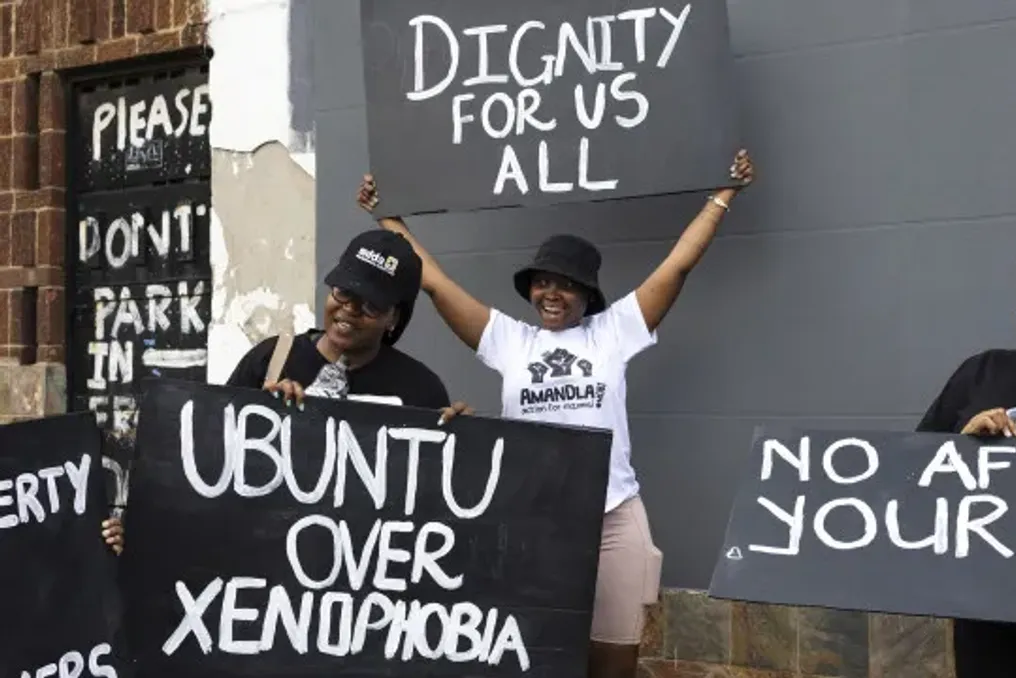
Nearly 20 thousand Mozambicans left South Africa since June due to violence episodes
Read more
Noticias ao Minuto
noticiasaominuto.com

Nearly 20 thousand Mozambicans left South Africa since June due to violence episodes

A South African authority informed Lusa that about 90 thousand foreigners, including approximately 20 thousand Mozambicans, have left neighboring South Africa since June. This departure occurred due to threats and incidents of violence directed at immigrants.

Michael Masiapato, commissioner and executive head of the South African Border Management Authority (BMA), detailed in an exclusive interview that globally, about 90 thousand people have left the country following threats of violence registered after June 30, 2026.

Although he did not provide specific data for all other countries, the official admitted that the wave of aggression motivated the mass migration of immigrants, mainly via land routes. He pointed to Zimbabwe as the main source of citizens who abandoned South Africa, followed by Malawi, Mozambique, and Lesotho. Masiapato specified that Mozambicans represented about 20 thousand of these people.

Regarding air departures from O.R. Tambo International Airport, the official mentioned citizens from Nigeria and Ghana.

Despite attacks still occurring in certain areas, the commissioner guaranteed that South Africa has recently started recording an increase in migrant entries. However, illegal immigration remains the biggest concern for authorities. Masiapato stressed that the challenge is continuous, sometimes leading to popular revolts against the number of people in irregular situations in the country.

He added that authorities continue to process and allow entry to foreigners who meet the legal criteria for tourism, visits, or work. To combat illegal immigration, inspection efforts at border lines and checkpoints have been intensified.

Masiapato explained that a stricter effort has begun to identify and intercept individuals attempting to enter illegally, both at the border and at entry points, especially those trying to bribe officials. Among the implemented actions is the use of drones at major border crossing points, particularly in the Lebombo region, near the border with Mozambique, which has considerably reduced illegal attempts.

The BMA official also emphasized collaboration with Mozambican authorities in combating clandestine immigration through joint operations involving the Police, customs authorities, and the Mozambique Defence Forces. Masiapato stated that the Government of Mozambique and its agents do not promote illegal immigration, thus assisting in the interception of those trying to enter South Africa illegally.

Xenophobic tensions are a recurring problem in South Africa, generating waves of violence in recent years, with dozens of deaths concentrated in economically fragile neighborhoods. Anti-immigration groups frequently blame foreigners for economic problems, failures in public services, and high crime rates, even barring immigrants from accessing health and education services.

Additionally, the Mozambican Government communicated in September that at least 2,071 national citizens returned to the country due to xenophobic violence, an event that officially resulted in the death of 11 Mozambicans. Currently, it is estimated that there are about 300 thousand Mozambican citizens residing in South Africa, and the Presidency of the Republic had already mentioned the return of thousands of nationals due to the escalation of violence.
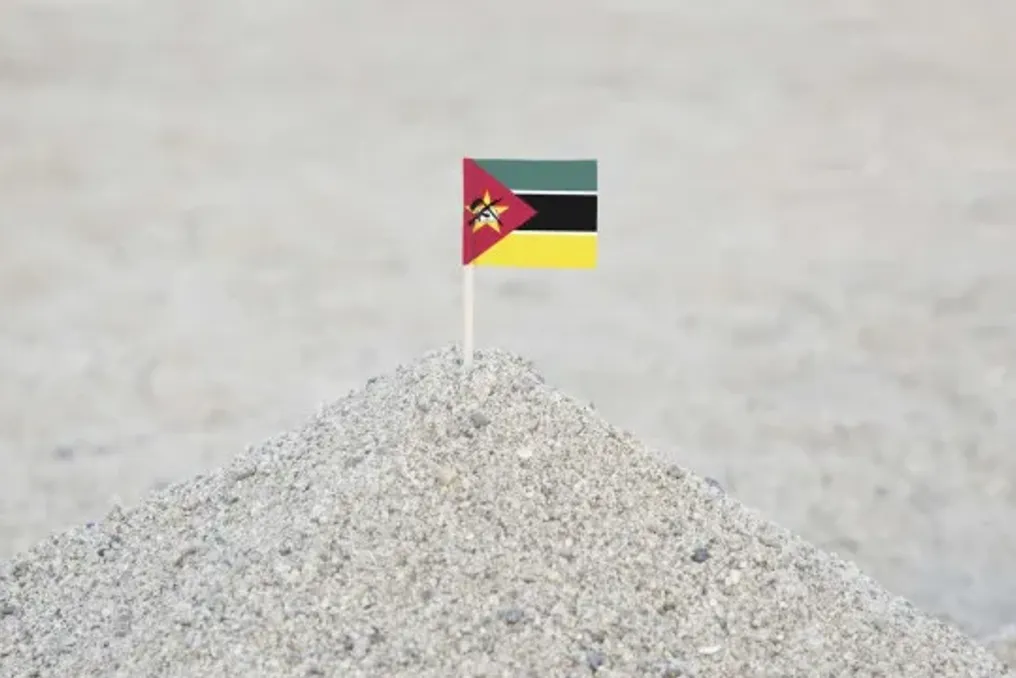
Similar stories

Mozambique recorded 363,606 internally displaced persons in October
Read more
noticiasaominuto.com

Mozambique recorded 363,606 internally displaced persons in October

In Mozambique, 363,606 internally displaced persons were registered in October, representing a 4% increase compared to the previous estimate. According to a report by the International Organization for Migration (IOM), more than half of the affected population are children.

This data was obtained as part of the 17th round of the IOM Multi-Sector Needs Assessment, which took place from September 14 to 28. The assessment identified 363,606 internally displaced persons, corresponding to 87,201 households. These individuals are distributed across 213 centers and sites nationwide.

The report compares current data with the results of the 16th assessment round, conducted in December 2025. The overall figure shows an increase of 4% in less than a year. This growth is attributed to the expansion of monitoring operations in new areas of Gaza and Inhambane provinces, as well as ongoing population movements related to instability in the northern part of the country.

Children constitute 55% of the displaced population, followed by women (26%) and men (19%). The organization also estimates that about 58,177 displaced persons live with some form of disability.

Cabo Delgado province, rich in gas and a scene of armed rebellion since 2017, continues to concentrate the largest share of the displaced population, hosting 205,921 people in 84 settlements. The IOM report notes that in 46% of these sites, most households lack access to functioning sanitation facilities, and in 88% of sites, displaced persons cannot afford sufficient food due to lack of financial means.

Furthermore, IOM indicates that in 74% of the sites assessed in Cabo Delgado, there are no safe spaces designated for women and girls.

Sofala is the second largest province with displaced persons, accounting for 95,385 people distributed across 34 settlements. Manica province hosts 28,646 displaced persons in 37 locations, mainly in the Sussundenga district. Among the main difficulties reported, issues with access to secondary education, civil documents, medical services, and electricity for lighting are highlighted.

According to the report, in all sites assessed in Manica, most households had at least one member without a civil document.

In the city of Maputo, 1,567 displaced persons were identified in nine settlements, while Maputo province hosts 4,300 displaced persons, also distributed across nine sites.

In both administrative units, the most frequently mentioned needs are financial support, income generation opportunities, and access to food.

The report also sheds light on the situation in Niassa province in the north, where the number of displaced persons has increased from 1,158 to 2,946. This rise is mainly linked to the consequences of heavy rains and floods recorded during the 2025/26 rainy season, which also affected the southern provinces of Gaza and Maputo.

At the national level, IOM concludes that the most urgent needs of the displaced population remain financial assistance, livelihoods, and nutrition. The organization advocates for enhanced access to drinking water, sanitation, healthcare, nutrition, and education, as well as protection for women, children, and people with disabilities, as Mozambique continues to face the combined impact of armed conflicts, extreme weather events, and prolonged displacement.

Popular