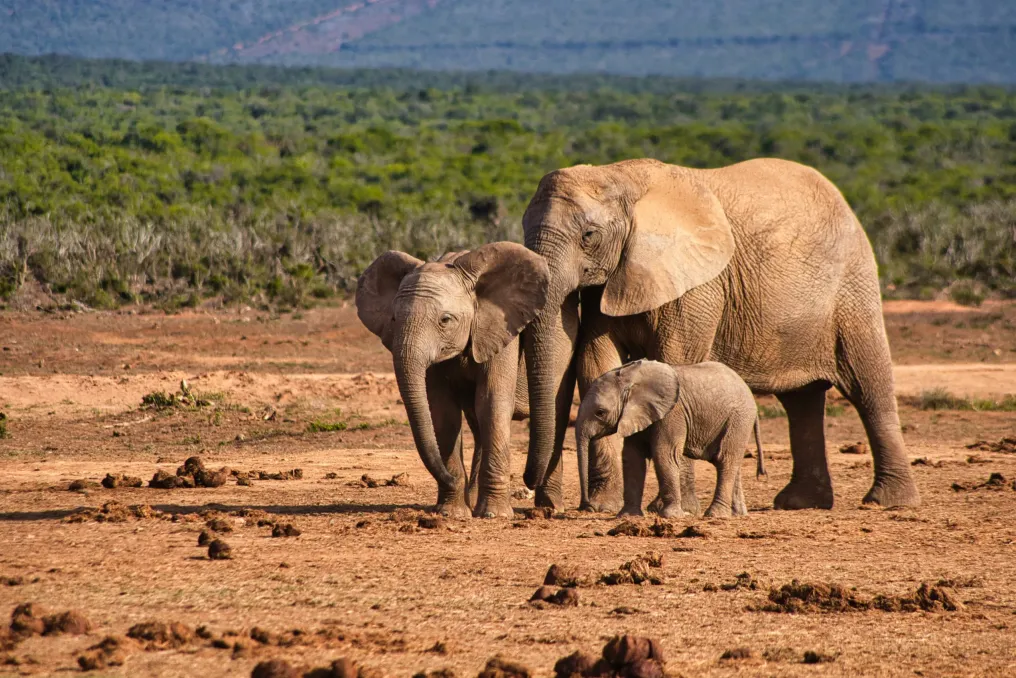
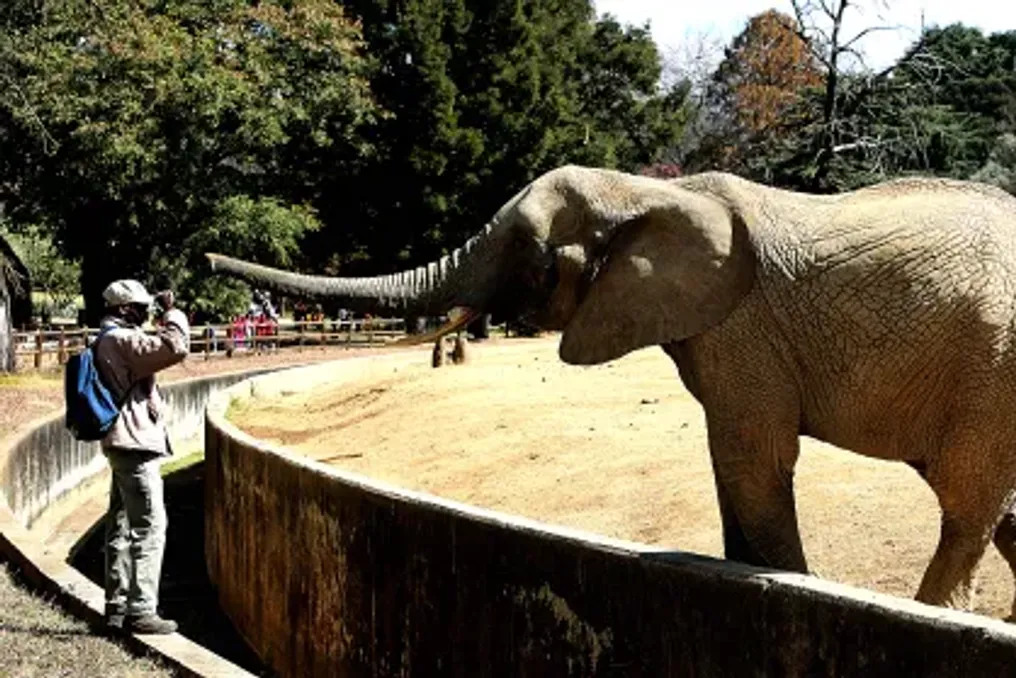
Three elephants from the Johannesburg Zoo will remain in captivity after the Gauteng High Court dismissed a four-year legal battle aimed at securing their release. However, this decision has had little impact on ongoing debates about animal welfare or whether the city should consider relocating them.
Questions regarding the future of these elephants have concerned people for many years. Lemmi was born at the zoo in 1979, and the death of her companion, Kinkela, in September 2018 raised questions about her living conditions. Ramadiba and Mopane arrived in June 2019 after being sourced from Inkwenkwezi Reserve in the Eastern Cape.
In 2022, the EMS foundation, the organization Animal Law Reform South Africa, and chief Stephen Fritz approached the court requesting the release and transfer of Lemmi, Ramadiba, and Mopane to a reserve. The application was dismissed on Friday, October 16, without a claim for costs against the City of Johannesburg.
This ruling was a legal victory for the city and the Johannesburg City Parks and Zoo (JCPZ), which defended its continued care of the elephants based on an existing permit. However, the applicants cautioned against interpreting this outcome as a judicial finding that the animals thrive in captivity.
In a statement, the EMS foundation expressed 'deep disappointment' with the verdict, arguing that the court's findings related to the legal basis of the suit and the availability of administrative review. The foundation noted that 'the court did not resolve the disputed expert testimony regarding their welfare nor establish that they thrive in captivity.'
The case placed the welfare of the three elephants at the center of a broader discussion on animal sentience, the duties of public institutions, and whether a legal permit is sufficient grounds for keeping highly intelligent animals in captivity.
The applicants insisted that when determining the justification for continued captivity, their physical and psychological needs, as well as their quality of life, must be taken into account. They proposed relocation to a reserve in Limpopo, where assessments and rehabilitation could determine if the animals could adapt to a different environment.
The foundation emphasized that the existence of a permit does not resolve the broader question of whether the elephants should remain in the zoo. It stated: 'A permit allowing captivity, in our view, cannot resolve the ethical question of whether this captivity should continue.'
The court's decision did not halt political calls for the city to reconsider the relocation issue. Leanne De Jager, the DA Gauteng environmental representative and MPL member, stated that the dismissal does not mean the elephants must remain in the zoo indefinitely. The DA supports the relocation of Lemmi, Ramadiba, and Mopane to a rehabilitation reserve in Limpopo, arguing that their welfare needs must remain central to decisions about their future.
In its statement, the party declared: 'The need of elephants for space, choice, and social bonds is not a luxury.' The party called on the city and the zoo to conduct a transparent, independent assessment of a properly provided relocation option. It was pointed out that any transition must consider the health, safety, social bonds, and lifelong care of each elephant, with the process and results made publicly available.
JCPZ consistently defends its responsibility for the animals, stating that their welfare is monitored by experienced keepers and veterinary specialists. JCPZ Director Tanduksolo Mendreu welcomed the decision, noting that it reinforced the institution's commitment to providing accountable care. Mendreu stated: 'Our responsibility to Lemmi, Ramadiba, and Mopane is a daily commitment. It lies with the people who care for them, the professionals who assess their welfare, and the city that must be responsible for the animals entrusted to it.'
He added that animal welfare remains a central element of the zoo's duties alongside nature conservation education and public engagement. Mayor of the Executive, Dada Morero, praised the Johannesburg Zoo's elephant care team, veterinarians, and support staff, highlighting the institution's role in animal welfare, nature conservation, and public education. Morero noted: 'The Johannesburg Zoo plays an important role in connecting residents, especially children and youth, with wildlife and a broader responsibility for protecting the natural environment.'