Uzbekistan's Copper Plant-3 Processed 10 Million Tons of Ore
Read more
UzDaily
uzdaily.uz

Uzbekistan's Copper Plant-3 Processed 10 Million Tons of Ore

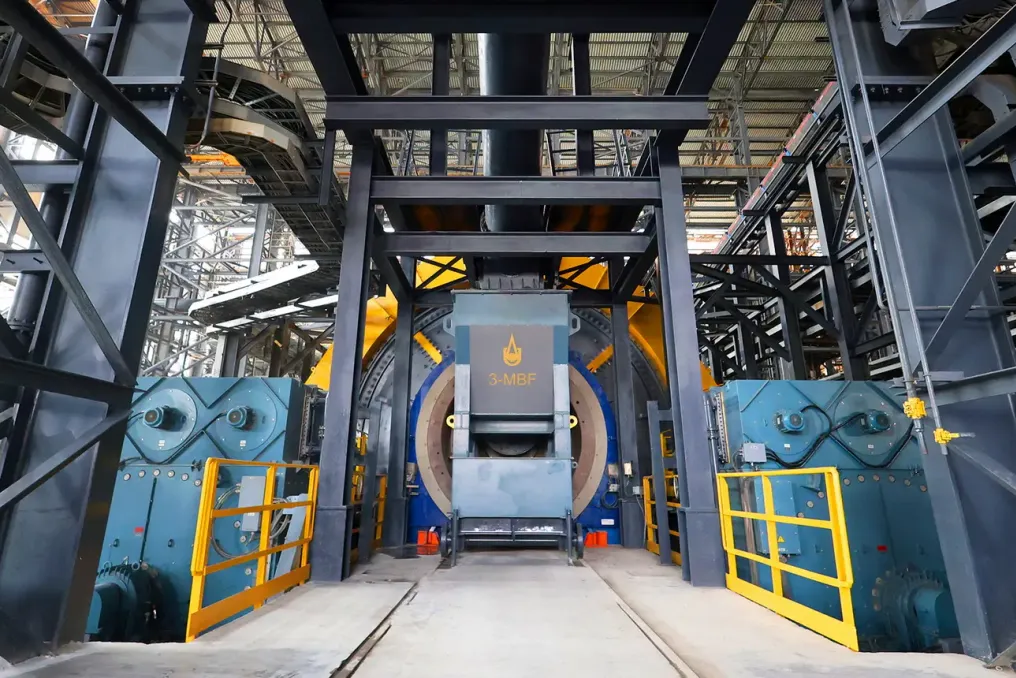
The Copper Processing Plant-3 (MOF-3) at the Almalyk Mining and Metallurgical Complex (AGMK) in Uzbekistan processed 10 million tons of ore between March 16 and November 4, 2026.

According to information provided by the AGMK service, over 160,000 tons of copper concentrate were delivered to the copper smelting shop during the same period. The plant management reported this production achievement to the Chairman of the AGMK Board of Directors, Abdulloh Khursanov.

This result marks the first major production milestone for the new facility since its launch and is an important step in commissioning its production capacities. MOF-3 began operations on March 16, 2026, when the President of Uzbekistan Shavkat Mirziyoyev pressed the symbolic start button. This plant is one of the key facilities within the project to develop the Yoshlik-1 deposit.

The plant's design capacity is 60 million tons of ore per year. Once it reaches full capacity, it is expected to produce about 900,000 tons of copper concentrate annually.

Ore processing volumes grew gradually: in March, the plant processed 661,500 tons; in June, 1,161,805 tons; and in October, over 1.6 million tons. Thus, the volume in October was almost 2.5 times greater than the volume in March.

The plant is equipped with 12 mills, 10 of which have already been put into operation. Commissioning and testing work continues on the remaining two mills, which are expected to start soon.

The processing of 10 million tons of ore is considered an intermediate stage, as the facility continues to increase its production capacity. Next tasks include gradually reaching the design capacity, stabilizing production processes, and ensuring the required quality of copper concentrate.
Similar stories

Uzbekistan plans to process 3.6 million tons of waste through energy projects
Read more
uzdaily.uz

Uzbekistan plans to process 3.6 million tons of waste through energy projects

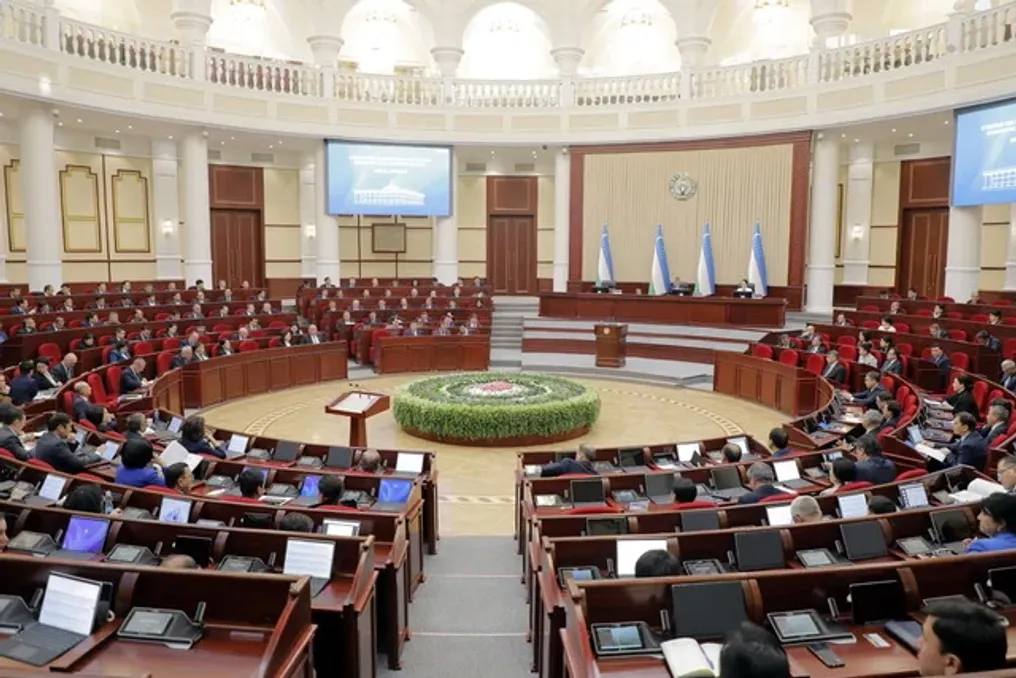
The legislative chamber of the Oliy Majlis of Uzbekistan reviewed the response from Sharifbek Hasanov, Director of the Waste Management Agency and Circular Economy Development, to a parliamentary inquiry regarding measures to improve waste management, develop the circular economy, and enhance the efficiency of related service payments.

According to the information provided, between 2019 and 2025, 54 municipal solid waste landfills were restored in Uzbekistan, returning 262.8 hectares of land to nature. Currently, sanitary services cover 8042 out of 8992 mahallas, or local communities in the country.

To strengthen the technical capacity of sanitation companies, the number of specialized vehicles has been increased; a total of 4606 such vehicles are currently operating across the country. Additionally, 4376 waste collection points have been equipped, and 39401 containers have been installed. These measures have enabled the servicing of an additional 600,000 residents.

Another area of focus is the production of electricity from waste. Six large projects with a total value of 933 million US dollars are being implemented in the country, of which $461.3 million has already been invested. It is planned that after commissioning, scheduled for the first half of 2027, these facilities will process 3.6 million tons of waste annually through thermal treatment and generate 1.6 billion kWh of electricity.

These projects are also expected to save 400 million cubic meters of natural gas annually, reduce greenhouse gas emissions by 800,000 tons, and create 1,000 permanent jobs. To improve waste management, geographical data has been collected for 9061 local self-government bodies, 75569 streets, 227 landfills, and 3548 waste collection points. 3918 specialized waste collection vehicles are connected to a GPS monitoring system, and surveillance cameras have been installed at 1483 sites.

The response to the parliamentary inquiry also noted that since November 2025, subscribers with unpaid waste collection bills receive SMS notifications from the number 2100, managed by the Regional Electric Network of JSC. Nevertheless, legislators pointed out persistent problems, emphasizing the need to prevent the charging of debts for sanitary services that were not actually provided, correct technical errors in SMS notifications, and strengthen supervision in this area.

Deputies also called on the agency to intensify efforts to improve the quality of sanitary services, expand waste sorting and recycling, and develop the circular economy. Priorities include the production of energy resources, raw materials, and materials from secondary resources. After reviewing the matter, the legislators stressed the importance of continuing parliamentary oversight to ensure compliance with environmental requirements, protect public health, and improve sanitary conditions throughout the country. The response from the Director of the Waste Management Agency and Circular Economy Development was taken into account.

Popular