Baby Zoe is the only child in the world with a syndrome that prevents weight gain
Read more
Noticias ao Minuto
noticiasaominuto.com

Baby Zoe is the only child in the world with a syndrome that prevents weight gain

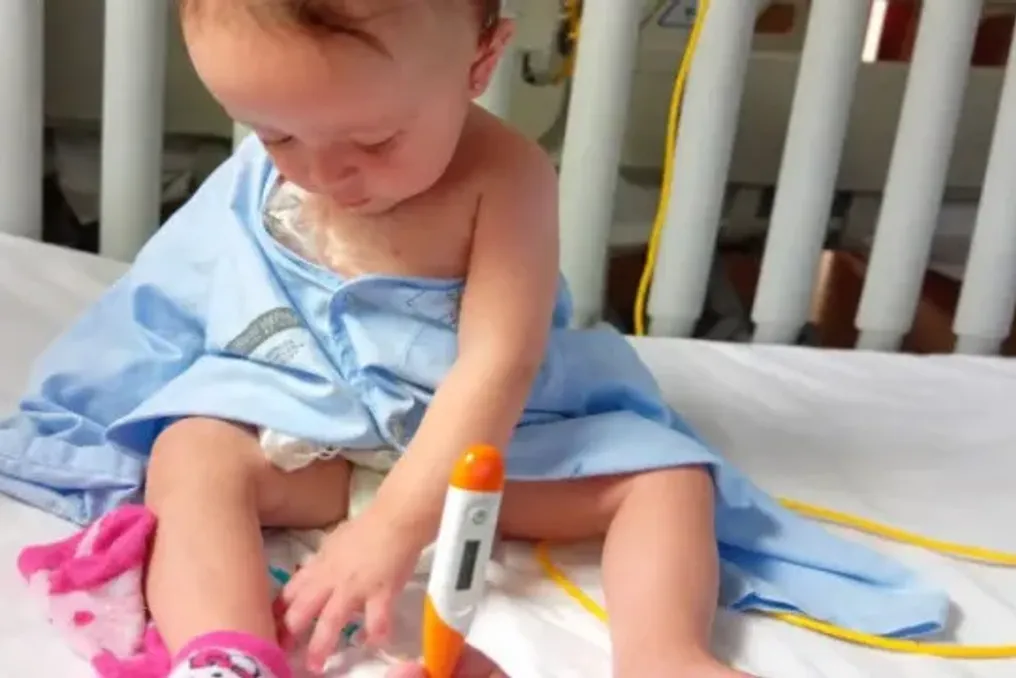
Zoe was born at the Hospital de Castellón in Spain after only 36 weeks of pregnancy. The baby weighed just over three kilograms, and although weight loss in the first days of infancy is a natural occurrence, Zoe's case immediately drew the attention of everyone around her.

Doctors initially suspected she might have cow's milk protein intolerance and decided to conduct a series of tests and analyses. However, the doctors could not understand what was happening, and the girl continued to lose weight. At three months old, she weighed only 2.5 kg.

"We couldn't make her gain weight, and until she reached four kilograms, we couldn't take a biopsy because her life was in danger. It was a daily struggle, and eventually, we were able to do it when she turned five months old," recalls her mother, Melanie Lopez.

After collecting samples from her intestines and stomach, the final diagnosis was made: Zoe suffered from abetalipoproteinemia, a rare genetic disorder that impairs the body's ability to absorb fats and fat-soluble vitamins.

According to her mother, Zoe is the only child known worldwide to suffer from this disease. "I know of three other cases, but they are in adolescents and adults," she shares. She also notes: "The hardest part is the lack of knowledge. I would like to know about the daily lives of people with this illness. I know there is no cure, but I would like to learn something about how they live to give my daughter the best possible life," quotes Telecinco.

In recent months, the girl has spent days in the hospital, and every gained gram is marked as a victory. "It's like a roller coaster because she gains some weight, and then she can suddenly lose a lot," laments the mother, who must dedicate herself entirely to caring for the girl.

Since she cannot work, and the family relies solely on the father's income, they created a fundraising page so that those who wish to help the family cover the child's medical expenses. The page states: "This is a girl with an extremely rare disease; there are 4 cases worldwide, but she is the only one diagnosed in childhood. Other people were diagnosed with the disease at a later age." The mother points out that the collected funds "will be used to find answers for Zoe and provide her with all opportunities for the best life."

Similar stories

A large number of crimes in the field of information technology were detected in the Samarkand region
Read more
uza.uz

A large number of crimes in the field of information technology were detected in the Samarkand region

In the Samarkand region, 13,740 crimes were registered in September 2026. A significant part of the total number of crimes is related to the field of information technology.

Specifically, 6,718 cases, which accounts for 51 percent of the total number, relate to crimes in the field of information technology. In addition, 3,235 preventable crimes were identified, as well as 3,121 discovered crimes.

Living near green areas is associated with a lower risk of developing type 2 diabetes
Read more
super.abril.com.br

Living near green areas is associated with a lower risk of developing type 2 diabetes

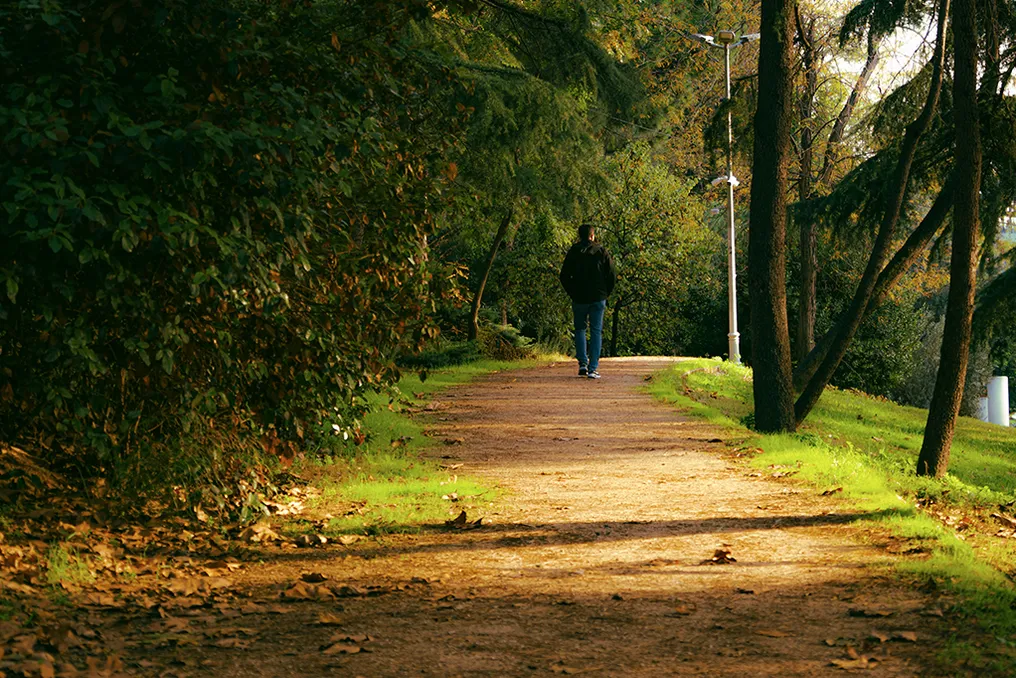
Having a personal garden or living in an area with many nearby parks may help reduce the likelihood of developing type 2 diabetes. This is supported by a study published in the journal BMC Public Health, which tracked over 400,000 people in the UK for approximately 15 years.

Researchers found that people living in areas with more residential gardens had about a 7% lower risk of developing the disease. Among participants who had three or more parks within 800 meters of their home, the risk of illness was 5.7% lower.

Expert Opinion on the Link Between Lifestyle and Diabetes

Geriatrician Erika Satomi from Einstein Hospital Israelita notes that type 2 diabetes is linked to both insufficient physical activity and obesity and unhealthy lifestyles, including inflammatory diet. She emphasizes that people who use green spaces are generally more physically and socially active, have less exposure to pollutants, and are less prone to hypodynamia.

However, this does not mean that having a garden itself prevents diabetes. The link identified in the study is likely indirect. An active lifestyle reduces the risk of the disease primarily by decreasing body fat and insulin resistance, which are risk factors for type 2 diabetes.

There is also evidence that contact with green areas affects the reduction of cortisol levels and blood pressure, as well as causing changes in cardiovascular markers and increasing adiponectin—a substance associated with metabolic protection. Satomi notes that it is not yet clear through which mechanism this effect occurs or what type of green space usage has such an impact.

Another point raised in the study is the number of available parks. Researchers did not find a correlation between the distance to the nearest park and the risk of diabetes, but they did notice a lower risk among those who had three or more parks within 800 meters.

Nevertheless, this could also indicate areas with better socioeconomic conditions, which generally provide easier access to medical services, quality nutrition, and other opportunities for physical activity.

Study Limitations and Recommendations

The geriatrician analyzes that when speaking of a 7% or 5.7% risk reduction, the impact of less green versus greener conditions is compared, not the density of the greenery. She believes that socioeconomic status might have had a much greater influence than just having one, two, or three parks.

Gardening can help prevent hypodynamia, but it cannot be considered a substitute for physical exercise. The study itself did not check whether participants engaged in gardening at home. Erika Satomi asserts that any physical activity that helps break out of a state of hypodynamia and stress has the potential to prevent diabetes, complementing improved quality of life.

For apartment dwellers or residents of areas without nearby parks, growing plants in pots can be an alternative to increase contact with nature and provide moments of relaxation. However, the most important thing is not to forget long-established prevention factors. The physician from Einstein insists on the need to consider larger factors, such as promoting real physical activity, social interaction, and improving the population's nutritional quality.

Number of appeals will decrease by 6.7 thousand compared to last year
Read more
uza.uz

Number of appeals will decrease by 6.7 thousand compared to last year

Appeals from taxpayers, as well as resolving the issues and problems raised in these appeals, are one of the key areas of activity for tax services. Special attention is paid to expanding digital services, creating convenience for the population and entrepreneurs, and eliminating the causes of these appeals.

Popular