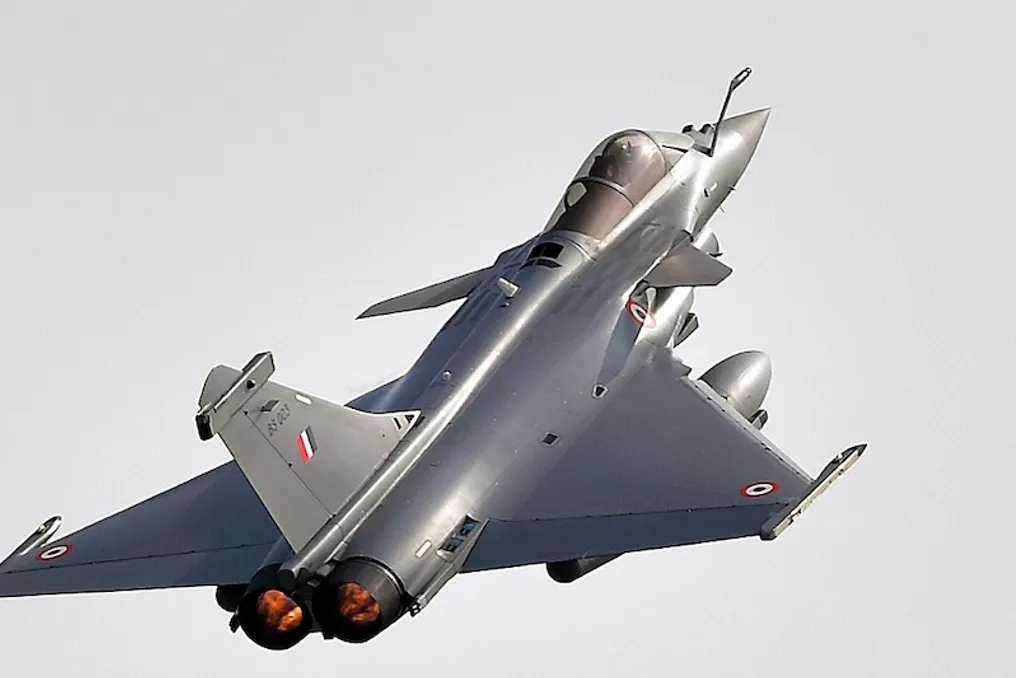
NASA unveiled the X-70 Fractal, its latest experimental aircraft, during the UP.Summit event held at the Kennedy Space Center in Florida.
This manned aircraft was designed as a versatile platform intended to accelerate both the development and testing of cutting-edge aerospace technologies. The X-70 features a flight control system that can be rapidly reconfigured, allowing NASA to investigate aircraft maneuverability in scenarios not yet proven in manned flights.
The aircraft structure supports up to 907 kg (equivalent to 2,000 pounds) of experimental equipment, which can be installed both internally and externally. With a takeoff weight of 4,535 kg (10,000 pounds), the model is designed to operate at a cruising speed of Mach 0.75, which corresponds to 75% of the speed of sound.
Furthermore, the X-70 has the capacity to reach altitudes of up to 45,000 feet (approximately 13,700 meters) and possesses an operational range exceeding 2,777 km (1,500 nautical miles).
Jared Isaacman, NASA administrator, emphasized the relevance of this platform for the agency's experiments. He noted that the modular design will allow for the agile replacement of internal and external payloads, simplifying the execution of various types of tests.
Isaacman stated: 'The X-70 Fractal gives NASA a high-performance manned platform to test advanced flight control, maneuverability, and other cutting-edge technologies in real flight.' The first flight of the aircraft under NASA's banner is expected within the next two years.
The X-70 fits into the long history of NASA's experimental aircraft, known as X-planes, which are used to advance aviation technology. This trajectory encompasses models that have defined distinct phases of aeronautical research.
Laurie Grindle, director of the Aeronautics Division at NASA's Research and Technology Mission Directorate, expressed enthusiasm for the arrival of this new model, viewing it as an opportunity to intensify the agency's work. She commented: 'It is exciting to bring another X-plane to accelerate and drive aeronautical research.'