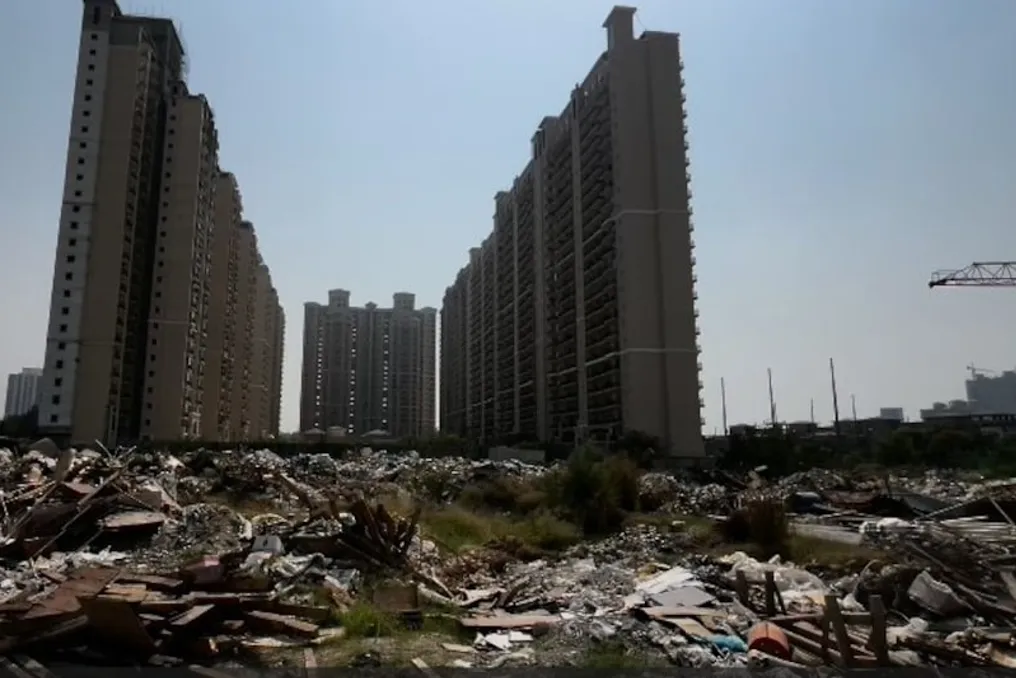
Purchasing housing in India is one of the most significant financial decisions in most people's lives. Although buyers often make the decision to book based on location, price, amenities, and residential complex features, they often forget to check the necessary legal documents. Such negligence can lead to legal disputes, delays in obtaining ownership rights, problems with bank loans, or freezing of investment funds. Therefore, before purchasing an apartment, you should rely not only on the builder's words but also thoroughly examine the listed documents.
Title and Ownership Documents
First, it is necessary to establish who is the legal owner of the land on which the project is being built. You should check whether the developer owns the land or has only been granted the right to develop it. It is also important to study the chain of old registrations and documents related to property ownership. If the apartment is purchased on the secondary market, be sure to check the registration documents of the current owner.
Encumbrance Certificate (EC)
This document informs about any registered debts, mortgages, or financial obligations on the property. It can be obtained from the relevant sub-registrar's office. It is important to remember that the presence of all types of disputes or claims in the EC is not mandatory, so ownership cannot be considered dispute-free solely based on this certificate.
RERA Registration Certificate
When purchasing a project in the construction stage, you must check the RERA registration number. Information about the project approval, construction status, expected date of transfer of ownership, and complaints against the developer can be found on the website of the respective state's RERA. For example, buyers in Uttar Pradesh can view project records on the UPRERA portal.
Approved Plan and Layout Scheme
You should request the building plan and layout scheme, approved by the relevant authority, from the developer. It is necessary to ensure which towers, apartments, floors, parking spaces, and other amenities have received approval. A discrepancy between the built structure and the approved plan can cause further legal problems.
Permission to Commence Construction and Necessary Clearances (NOC)
It is necessary to check the construction permit obtained from the relevant authority, i.e., the commencement of work certificate. For large buildings, permits from the fire department, environmental agencies, and other relevant departments may also be required. These documents help understand the legal status of the project.
Agreement Between Developer and Buyer
This contract specifies the apartment area (carpet area), price, payment terms, date of ownership transfer, compensation in case of delay, and termination conditions. Before signing, read every clause carefully and do not rely solely on brochures or verbal promises from the developer.
Completion Certificate and Occupancy Certificate
Before accepting the finished housing, be sure to check the Completion Certificate (CC) and the Occupancy Certificate (OC). The CC confirms that construction has been completed according to the approved plan, while the OC is a document from the relevant authority permitting the use of the building. It is necessary to confirm the validity of these documents and their applicability to the specific tower.
Property Tax Payment Receipts and Debts
When buying a secondary apartment, you should check for outstanding debts regarding property tax, electricity, water payments, and management company fees. Additionally, you need to obtain clarification from the developer regarding any remaining project obligations and documentary proof of payments. Demand the relevant receipts and certificates of no arrears.
Bank Permission (NOC) and Loan Closure Documents
If a bank loan was previously taken out on the apartment or the land, you must obtain a No Objection Certificate (NOC) from the bank and confirmation of loan repayment. You should also ensure that there are no remaining mortgage requirements or outstanding debt to the bank on the property, and if necessary, request confirmation of the release of the encumbrance from the bank.
Seller Identification and Power of Attorney
It is necessary to match the name stated in the ownership documents with the names on the seller's identification documents, such as Aadhaar and PAN. If the apartment is sold by a representative based on a Power of Attorney (POA), its validity and selling authority must be checked. When selling a secondary apartment in a residential complex, the shareholder certificate and other important residential complex documents should also be studied.
