During the festival of Dhanteras, it is customary to purchase gold and silver, leading to a large number of people buying silver coins. These coins are acquired either for investment purposes or for religious rituals and other auspicious deeds. However, when purchasing a silver coin, a natural question arises about the possible presence of impurities. Silver can contain impurities such as copper, nickel, aluminum, zinc, and cadmium, which reduces the purity of silver coins or bars.
It is impossible to determine the purity of a coin or bar solely by its shine or color. Although the hallmark provides information about the declared purity of the silver, several other factors must also be considered when making a purchase. There are four simple ways to conduct a preliminary check of silver purity right at home, although it should be remembered that none of these methods guarantees one hundred percent purity.
Checking with ice
Silver has high thermal conductivity, which in scientific terms is called thermal conductivity. This property of silver is significantly higher than that of many common metals. To perform the test, place the silver coin or bar on a flat surface, and then place a small piece of ice on it. Observe how quickly the ice begins to melt. If the coin or bar contains a sufficient amount of silver, heat will transfer quickly through the metal, and the ice will begin to melt relatively soon. Nevertheless, based only on this sign, the coin cannot be considered genuine. The size of the coin or bar, its temperature, and the surrounding environment can also affect the rate of ice melting. Since other metals also conduct heat, this method only provides an initial hint.
Detecting impurities with a magnet
Silver is not a magnetic metal, so a pure silver coin or bar generally will not be attracted by a magnet. This allows the magnet to be used for a primary assessment. Take a strong magnet, such as a neodymium magnet, and bring it close to the silver coin or bar to see if it is attracted. If the coin or bar is quickly drawn to the magnet or sticks to it, it may indicate the presence of magnetic metals such as iron or nickel. However, it is important to understand that the absence of attraction by a magnet does not mean that the coin or bar is made of pure silver. Copper, aluminum, and zinc are also not attracted by magnets, so this test alone cannot prove purity; it can only give an initial signal.
Identification using the sound test
Based on the sound emitted by silver coins or bars, a preliminary idea of their composition can be obtained. When lightly tapping a silver coin or bar, a clear and high resonance is usually heard. The sound emitted by coins or bars made of some other metals may be quiet and muffled. To perform the check, gently place the coin or bar on your fingertip and carefully tap it with a small object made of another metal. Listen carefully to the sound. If the sound is clear and resonates for a long time, it may indicate that the item is made of silver. However, the thickness, shape, and design of the coin or bar, as well as the presence of impurities, can change the sound. Therefore, this method is more useful when comparing coins or bars of similar size and design.
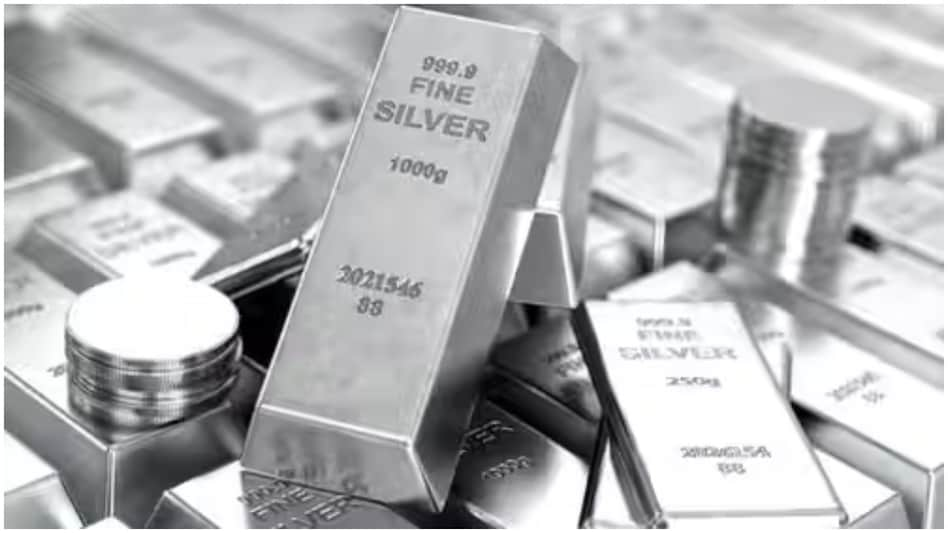
The most important step when purchasing a silver coin or bar is checking the hallmark. It indicates the declared percentage of purity of the coin or bar. Examples of silver purity include: 925 silver contains 92.5 percent silver, while 999 silver is considered almost pure because it contains 99.9 percent silver. When acquiring an item, be sure to study not only the stamp but also the accompanying documents regarding purity, as well as the invoice. You can request a certificate or other confirmation of purity from the jeweler. One should not rely solely on the hallmark stamp; its authenticity must be verified. A little caution can help avoid purchasing coins sold with false or incorrect purity claims.