Deputy Chairman of the Central Bank Nodirbek Achilov stated that price growth rates are slowing down for most goods and services included in the consumer basket of Uzbekistan. These comments were made on November 4 at a press conference dedicated to determining the key rate and monetary policy for the period 2027–2029.
Responding to a question from a journalist of the newspaper 'Uzbekiston Ovoz', Achilov refuted the idea that prices in the country almost never decrease after an increase. He specified that the situation varies depending on the specific good or service, but overall, a slowdown in inflation is noted across most items in the consumer basket.
Achilov analyzed the consumer basket, which comprises 517 items, 40% of which are services. He cited the exchange rate as an example, noting that two years ago, no one expected the dollar exchange rate to drop to 11,900 soms, whereas previously it reached 12,700–12,800 soms.
Furthermore, he reported that the share of items with accelerated price growth has decreased from approximately 45% in June 2025 to 22–25% currently, while price growth has slowed for the remaining 70–75% of goods.
Examples of Price Reductions for Vegetable Oil, Clothing, and Taxi Services
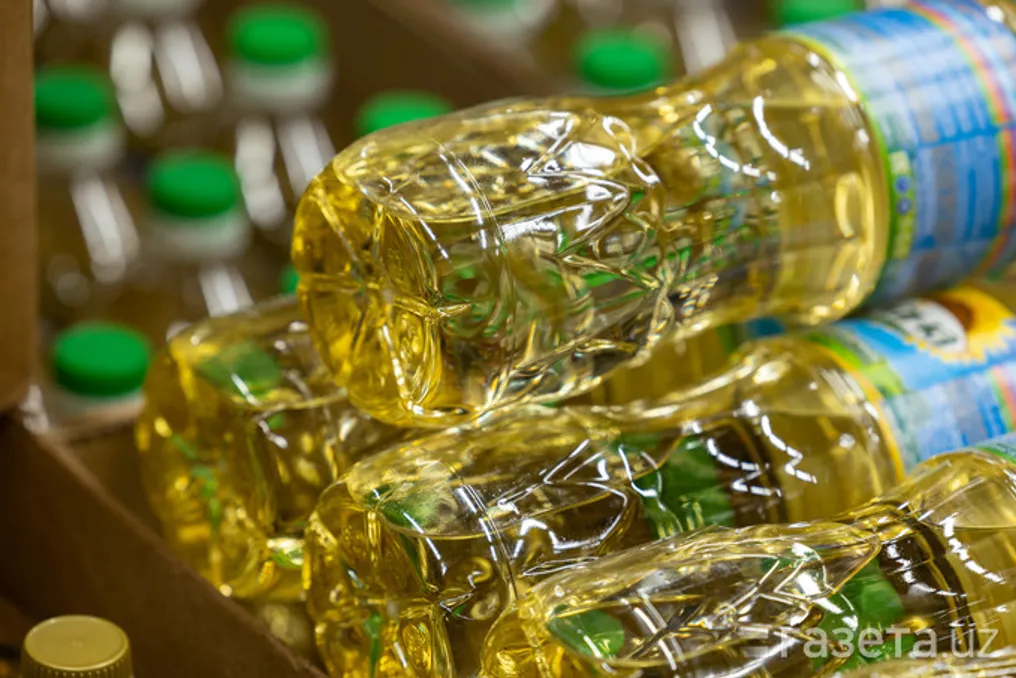
As an illustration of the actual cost reduction, Achilov cited vegetable oil. He noted that after the pandemic, the price of this product reached 30–35 thousand soms per liter, but now oils are available on the market at prices of 18, 19, and 22 thousand soms, confirming the observed decline.
The Deputy Head of the Central Bank attributes such changes to the development of competition and the openness of the economy. He explained that if the cost of a product rises, but import conditions are favorable and customs tariffs are minimal, entrepreneurs can increase supplies from other countries, leading to lower prices under competitive conditions.
Similar processes, in his opinion, are occurring in the clothing market and other non-food products due to increased rivalry between local producers and importers. Regarding the taxi market, the emergence of new aggregators sometimes forced major players to revise their tariffs downwards.
Reasons for Further Food Price Increases
Despite the general trend of slowing inflation, Achilov admitted that the situation with staple food products remains challenging. In some food categories, price growth reaches 8–10%, particularly because the expansion of livestock farming cannot be ensured quickly, which affects meat supply.
The Deputy Head of the Central Bank recalled government measures to support food supplies, including providing loans and benefits, as well as compensating for transport costs when importing meat. He also noted positive dynamics in poultry farming, which helps stabilize chicken prices.
Achilov emphasized that consumer price dynamics are influenced not only by monetary conditions but also by the level of market development and the business's ability to promptly increase supply. He concluded that the slowdown in price growth by approximately 70% in the consumer basket indicates positive trends in the structure of inflation.
According to the Central Bank, annual inflation in September 2026 was 6.4%, higher than the August figures (6.2%) and last year's September (8%). Food inflation in September was 6.3%, non-food inflation was 5.8%, and services inflation was 7%, while core inflation remained at 5.5%.
At the press conference on November 4, Achilov explained the September inflation spike as being due to seasonal price increases for fruits and vegetables, as well as rising fuel and certain service prices. On the same day, the Central Bank board decided to keep the key rate at 14% per annum, driven by persistently high domestic demand and inflationary risks. According to the Central Bank's baseline scenario, overall inflation should approach the target level of 5% in the second half of 2027 and remain around that mark in 2028–2029.
Price Dynamics for Various Goods and Services
According to data from the National Committee on Statistics, the most noticeable price decreases over the last month were recorded for lemons and oranges (a decrease of 12.1%), mandarins (11.9%), grapes (5.6%), zucchini (3.7%), as well as theater services (2.9%), apples (2.4%), bananas (1.7%), sugar (1%), and cement (0.9%).
In contrast, the largest price increases were shown by fresh tomatoes (an increase of 14.2%), cucumbers (13.5%), and carrots (12.4%). The cost of state preschool education services (up by 6.8%), legal services (6.6%), contract education in universities (6.3%), potatoes (5.5%), and eggs (5.3%) also rose. Propane for cars and AI-95 gasoline showed an increase of 4.2% each.