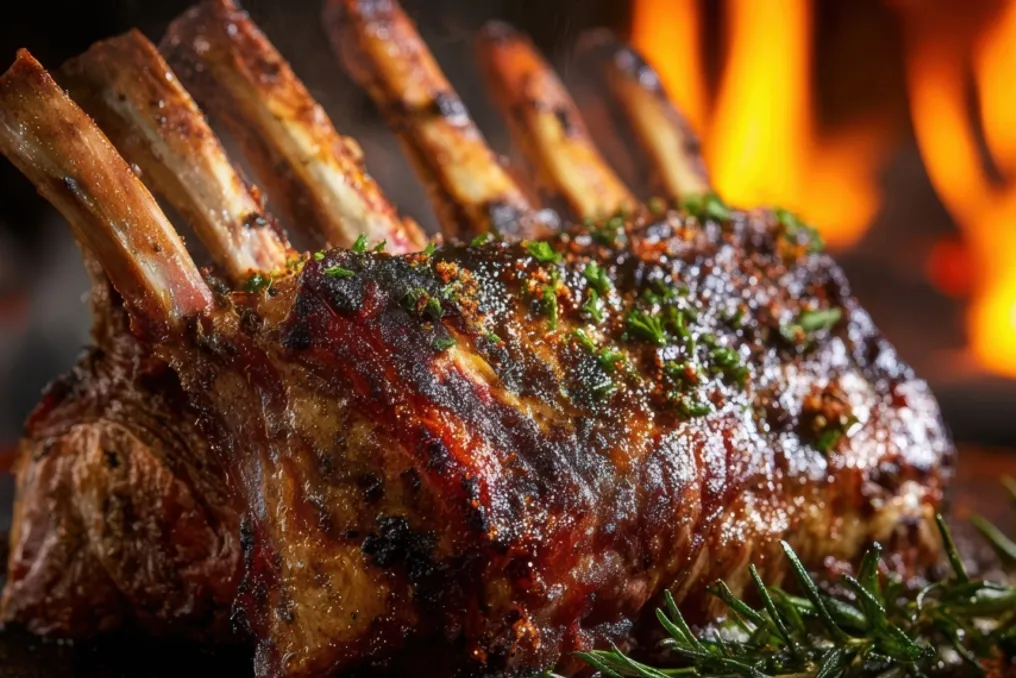
Red meat industry supports rural areas of South Africa, providing sustenance and preserving traditions
Read more
Food For Mzansi
foodformzansi.co.za

Red meat industry supports rural areas of South Africa, providing sustenance and preserving traditions

There is a story behind every Sunday lunch. The red meat industry in South Africa plays a key role in sustaining life in rural areas, protecting cultural traditions, and providing nutrition for millions of families.

For many South African families, Sunday lunch is a ritual, a time to slow down the pace of life when generations gather around the table, and the best cut of meat is reserved for loved ones. As Moeketsi Tshabalala from Johannesburg notes, Sunday is an integral part of their home life because it is the only day everyone is home, and they prepare beef steak according to their mother's recipe.

However, few people consider the origin of this food, and even fewer question the consequences if the people who produce this meat lose their ability to earn from it. The issue affects not only farms but also public health, the life of rural settlements, culture, and the livelihoods of hundreds of thousands of people.

From a nutritional perspective, red meat is considered a highly concentrated source of nutrients. A small portion provides high-quality protein, as well as iron, zinc, and vitamin B12—elements often lacking in growing children, pregnant women, and the elderly. In a country where many households face hunger and hidden malnutrition, access to these nutrients is crucial for ensuring robust bodily growth.

Tracing the journey from the plate backward, we see numerous stages: the meat passes through the hands of a butcher or the retail cold chain, is then processed by abattoir workers and inspected by inspectors. A truck transports the animal along a long rural road, and an auctioneer determines its price. Feedyard workers feed the animals, and even earlier, the farmer or shepherd raises them, often overcoming drought, disease, and price instability.

Each of these steps represents work that supports a family. According to the National Agricultural Marketing Council, livestock accounts for at least 40% of South Africa's gross agricultural value. In many rural towns, the auction hall, abattoir, and butcher shop are among the few reliable employers.

For many rural households, livestock is more than just food; a herd of cattle or a flock of sheep serves as savings on four legs. These animals provide funds for education fees, covering medical expenses, or rebuilding homes after a natural disaster. Furthermore, livestock forms the basis of cultural life: cattle play a central role in lobola negotiations, while lamb or goat is slaughtered to welcome a newborn, honor ancestors, celebrate a homecoming, or bid farewell to loved ones.

There is significant potential in the sector. Communal farmers own nearly 40% of South Africa's cattle stock, yet they account for only about 8% of the formal red meat market, according to the SAB Foundation. This gap means that income does not reach rural households. Distance, lack of suitable processing facilities, limited market information, and animal health requirements force many small and communal farmers to sell their products informally, often at lower prices.

Caroline McCann, Director of Sustainability and Business Development at Meat Naturally Africa, a SAB Foundation award recipient that helps communal farmers access formal markets, asserts that the starting point is the wealth already present in rural dwellings. She emphasizes that the approach recognizes the economic value that farmers already possess. With proper community support, they can earn higher incomes from their livestock while improving land for future generations.

Therefore, organizations like the Red Meat Producers Organisation (RPO) are working to include more of these farmers in formal value chains. When a communal farmer in the Eastern Cape or Limpopo can sell at a fair and transparent price, the benefit goes directly into the local economy.

Issues of animal health, traceability, and functioning markets might sound like industry jargon, but they show up on the receipt. When diseases break out, such as foot-and-mouth disease, auctions close, animals cannot move, and export markets cease operations. Following an outbreak in 2022, China suspended imports of red meat and other products from South African livestock. Farmers lose income, jobs come under pressure, and supply and prices become less predictable.

Traceability, which allows knowledge of an animal's origin and housing conditions, protects both consumers and producers. It builds trust, which sustains product availability on local shelves and opens up export markets. Thus, the next time you slice up a Sunday roast beef, remember the story behind it. This meal connects you to the farmer checking a sick calf at dawn, the driver on the gravel road, the butcher opening the shop, and the family whose herd is their future. The sustainability and transformation of the red meat industry is not just a matter of farming; it is a matter of the food on our plates, the jobs in our rural towns, and the traditions that define us. Maintaining its health means ensuring food security, employment, and the connection of South Africa.
Similar stories

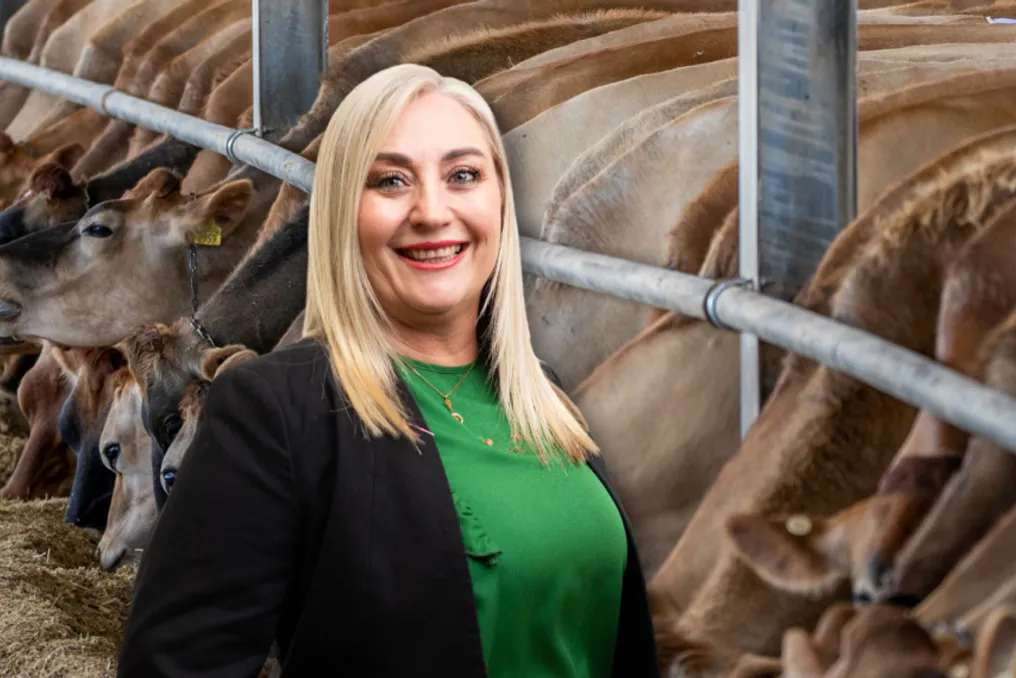
Five Key Priorities Shaping the Future of the Feed Industry in South Africa
Read more
foodformzansi.co.za

Five Key Priorities Shaping the Future of the Feed Industry in South Africa

The feed manufacturing industry in South Africa is undergoing significant changes driven by biosecurity risks, climate pressure, and evolving production needs. Anina Hunter, Chair of AFMA, has outlined five key areas for building a sustainable feed-to-food chain and maintaining the availability of animal protein.

Feed production plays a vital role in South Africa's food system, influencing the supply, accessibility, and safety of animal protein, agricultural competitiveness, and overall food chain resilience. However, looking ahead, growth alone will not be sufficient for the industry.

Animal diseases, changing production requirements, resource pressures, regulatory shifts, new technologies, and complex supply chains are transforming the concept of competitiveness and sustainability. The challenge is not just to increase feed production, but to strengthen the entire feed-to-food chain so that South Africans can continue to access safe, nutritious, and affordable animal protein.

1. Science-based nutrition will become increasingly important for feed efficiency

The focus of feed production is shifting from individual ingredients to the characteristics of the final product. The interaction between components, formulation, processing, and animal needs requires manufacturers to focus more on achieving stable and measurable outcomes. Central to achieving these goals is a science-based approach to diet and feed development, emphasizing precision nutrition, expert knowledge in formulations, feed conversion, animal health, and innovation.

Advances in food science and improved recipe formulation tools open up opportunities for more precise feed utilization, while enhanced performance monitoring helps producers and farmers understand how nutrition affects animal condition, health, and resource use efficiency. Feed producers must also consider downstream stages of the value chain, including the availability, safety, and sustainability of the final animal protein for consumers.

For South Africa, where accessibility remains a critical factor, the task is to balance nutritional efficiency, production efficiency, animal health, and the need to maintain the affordability of animal protein. Ultimately, the question becomes less about what is in the feed and more about what the feed delivers.

2. Technology and data will transform feed production

Artificial intelligence (AI), digitalization, and automation are creating new opportunities to enhance the intelligence and efficiency of feed production. These tools can support faster and more informed decision-making across all feed production operations, from real-time quality monitoring and predictive maintenance to improving formulation tools.

The 'factory of the future' will likely be more integrated, automated, and data-driven, with a greater emphasis on reliability, quality, traceability, and operational control. Data can also strengthen decision-making across the entire industry. Improved monitoring, reporting, and early warning systems help producers identify risks earlier and respond more effectively. Nevertheless, technology will only benefit if businesses develop the necessary skills to use it effectively; technology will not replace industry knowledge, but rather enable this knowledge to be applied with greater speed, accuracy, and consistency across the feed-to-food chain.

3. Feed safety, biosecurity, and industry assurances will become even more critical

Animal health and biosecurity have become increasingly vital aspects for South Africa's agricultural sector. Disease outbreaks can disrupt livestock movement, production, trade, and investment, with consequences extending far beyond individual farms. Feed producers play a crucial role in mitigating these risks through feed hygiene, traceability, raw material control, responsible transport practices, and adherence to proper biosecurity on production sites.

Feed safety and industry assurances will also gain increasing importance as regulatory frameworks evolve. The shift towards more scientific, risk-based, and preventative approaches strengthens the focus on traceability, proactive control, effective auditing, and accountability throughout the feed chain. For producers, these systems are more than just compliance; they help protect animal health and food safety while building trust in the integrity and professionalism of the industry.

4. Resource efficiency and sustainable value chains will become a competitive advantage

Sustainability in feed production is increasingly linked to more efficient resource use while maintaining commercial viability. Waste reduction, increased production efficiency, and more rational use of available raw materials and agricultural by-products contribute to both resource efficiency and long-term sustainability. Practical sustainability also implies more efficient use of energy and water, support for responsible sourcing, improved logistics, and contribution to more climate-resilient food systems.

However, sustainability extends beyond the factory gates. Climate variability, geopolitical uncertainty, currency fluctuations, shipping disruptions, and infrastructure limitations can rapidly alter the economics of feed and livestock production. This makes strengthening links across the entire value chain increasingly important. Feed producers, grain growers, oilseed processors, livestock farmers, veterinarians, researchers, regulators, financiers, and retailers—all play a role in building a more resilient agricultural system. No single part of the chain can solve issues of accessibility, animal health, competitiveness, and food security on its own.

Thus, for producers, resource efficiency and supply chain sustainability are moving beyond mere sustainability concerns; they are becoming key drivers of long-term competitiveness.

5. New skills will become critical for the industry's future

As feed production becomes more technologically advanced, the required skills within the industry are changing. Future employees will increasingly need to combine traditional production and technical knowledge with digital, analytical data, and project management skills. Nutritionists, engineers, millers, quality specialists, data analysts, and new industry leaders will play a vital role in building a sector that remains competitive and adaptable. Therefore, developing technical capabilities, attracting young talent, and nurturing future industry leaders are crucial for the sector's adaptation.

This means strengthening the talent pipeline and continuously developing current industry workers. Closer collaboration between the industry, universities, and professional associations can help young professionals gain practical experience in feed production while creating stronger career paths in the sector. Technology may change how feed is produced, but people will remain central to realizing this transformation.

Looking Ahead

The future of the feed industry will be defined by how effectively it integrates science, technology, feed safety, collaboration, resource efficiency, sustainability, and human capital. Feed is not just livestock feed; it connects crop producers, processors, feed manufacturers, farmers, and consumers, influencing food availability, safety, and sustainability throughout the value chain.

As South Africa works to strengthen food security, the feed industry will play an increasingly vital role in supporting efficient livestock farming, protecting feed and food safety, and helping to ensure the availability of nutritious animal protein for consumers. The opportunity lies not just in reacting to change, but in helping to shape a feed industry that is safe, competitive, innovative, sustainable, and resilient to shocks.

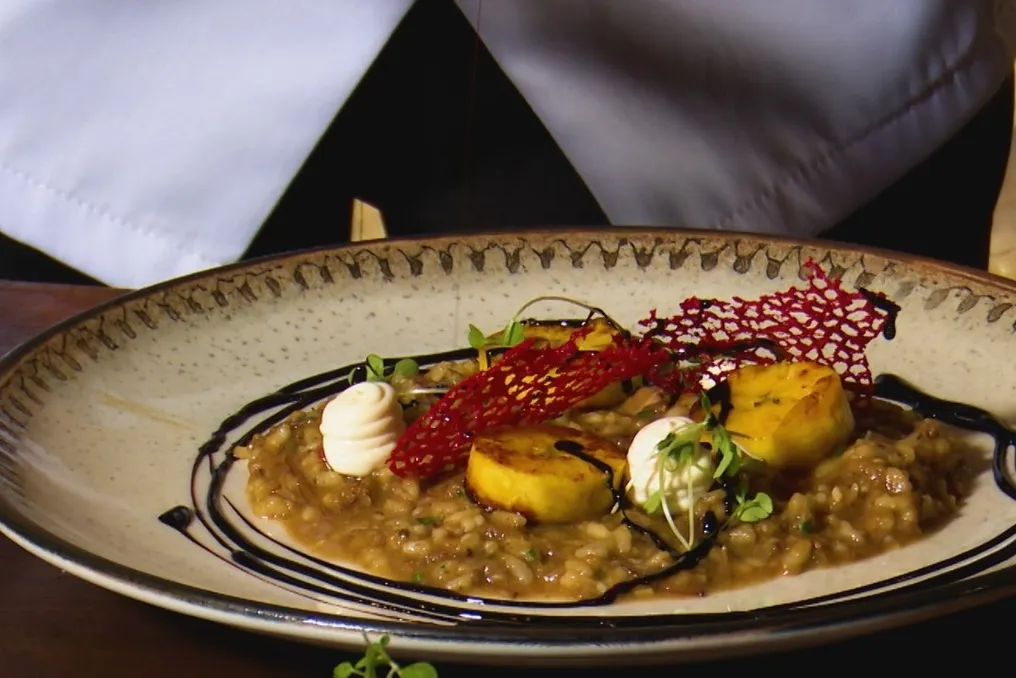
Chef JPB teaches rib risotto recipe with plantain scallops
Read more
g1.globo.com

Chef JPB teaches rib risotto recipe with plantain scallops

Chef JPB demonstrated on Saturday (24) the detailed preparation of a rib risotto that includes plantain scallops. The recipe was presented by Chef Felipe Nascimento, who detailed all the necessary ingredients and the cooking method for this variation of the dish.

Ingredients

For the preparation, 180g of shredded beef ribs, 160g of arborio rice, 40g of finely grated Parmesan cheese, 30g of cold butter, 100ml of hot rib broth, three slices of plantain, balsamic reduction to taste, chopped parsley to taste, cherry tomatoes, beetroot sprouts, and aioli to taste are needed.

Preparation Method

The process begins by heating the rib broth in a separate pot. Subsequently, the arborio rice is placed in another pot and gradually receives the hot broth, continuing until the grains absorb the starch and reach an al dente point.

Once the rice is cooked correctly, the shredded beef ribs are added and mixed carefully to ensure the meat is evenly distributed. After this stage, the heat is turned off, and the grated Parmesan and cold butter are incorporated. The mixture is stirred until the rice acquires a creamy, shiny, and homogeneous appearance.

Finally, the plantain slices are grilled in a frying pan until golden and caramelized. The chef advises that the ideal texture of the banana should remain soft inside.

To finish the dish, the risotto is placed in a serving dish and decorated with the plantain scallops. The final touch is given by adding the balsamic reduction, small dots of aioli, cherry tomatoes, and the beetroot sprouts, making the rib risotto with plantain ready to be served.

Popular