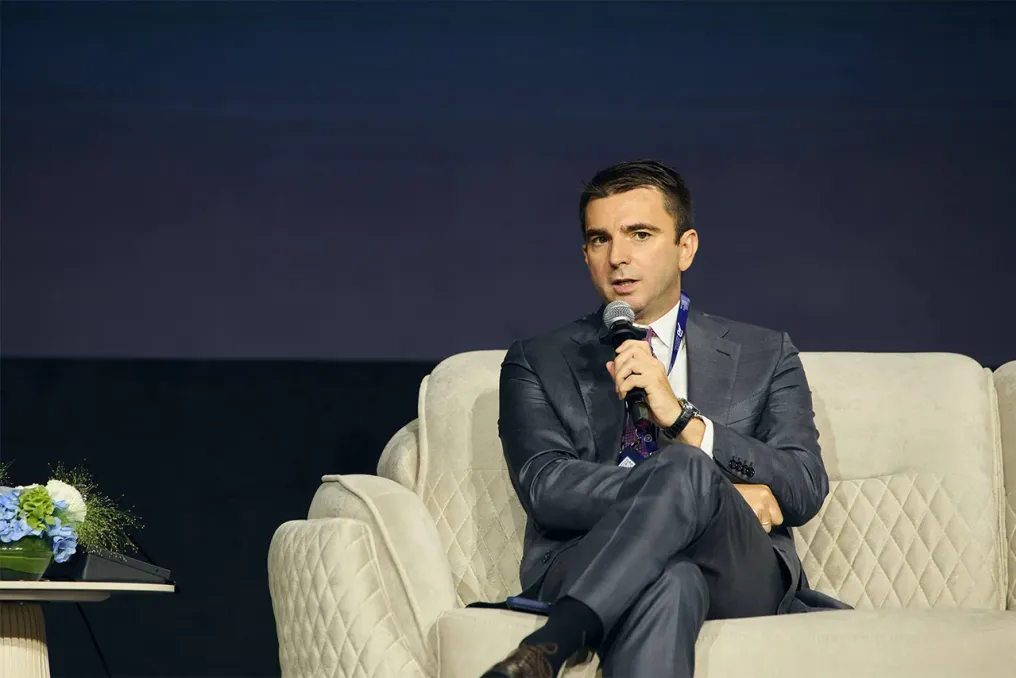
The National Investment Fund of Uzbekistan (UzNIF) intends to conduct the first two Initial Public Offerings (IPOs) among its portfolio companies in 2027. Uzbektelecom has been named among the leading candidates for an IPO. Marius Dan, Managing Director for Central Asia at Templeton Global Investments, stated in an interview with Gazeta.uz that the fund plans to make its first dividend payments to shareholders in the first half of 2028.
UzNIF, managed by the international investment firm Franklin Templeton, conducted its own IPO on the stock exchanges of London and Tashkent in May 2026, raising approximately $700 million for the state. The fund's portfolio includes stakes in 13 state-owned enterprises and other assets such as Uzbekistan Airways, Uzbektelecom, SQB, and energy sector enterprises.
Dan noted that Uzbektelecom was identified as a potential first portfolio company to go public, while deals are simultaneously being prepared with several other companies mentioned in the presidential decree. He emphasized that the timing of these listings will largely depend on the transformation results of the companies and the market conditions at that time.
A total of six companies are planned to go public over the next three years. According to Dan, this should transform the fund's portfolio from consisting mainly of private assets to one composed primarily of publicly traded securities.
Improvements in corporate governance were noted in SQB and Uzbektelecom: independent directors were appointed to their supervisory boards with government support. Both companies have demonstrated growth in revenue and profitability. Dan added that Uzbektelecom is well-positioned for significant improvement in its financial performance over the next twelve months.
The IPO of Uzbekistan Airways, previously scheduled for the current year, has been postponed. Dan attributed this delay to complex conditions in the global aviation market and the need to allow time for transformation initiatives to reflect in the airline's financial results. Over 120 such initiatives have been developed for Uzbekistan Airways, but according to him, they are still in a very early stage.
Dan also pointed out that the airline's cost structure limited the impact of rising fuel prices compared to some regional and global competitors, and the company expects to offset some additional costs through efficiency improvements.
The fund's first dividend payments will be based on the income received in 2027 from portfolio companies for their 2026 financial results. Dan declined to disclose the expected dividend yield. In his opinion, investment funds of this type usually face a gap of about 18 months between the end of the portfolio companies' fiscal year and the receipt of dividends by shareholders.
UzNIF supported SQB's decision not to pay dividends on common shares for 2025, despite the requirement for the bank to allocate at least 50% of net profit to dividends until 2030. Dan explained that an exception was made for SQB regarding the 2025 dividends, which were due to be paid in 2026, to allow the bank to continue growing and reinvesting profits, and such decisions were considered on a case-by-case basis.
Overall, he believes that the 50% payout ratio provides a proper balance between reinvestment and profit distribution. After the IPO, UzNIF shares traded at a slight premium to net asset value (NAV). Dan stated that the fund currently has the highest valuation relative to NAV among publicly traded closed-end investment funds worldwide.
The fund has nearly 10,000 shareholders, and its NAV increased by 6.1% in the first half of the year, which Dan attributes to the performance of portfolio companies in the energy, transport, infrastructure, banking, insurance, and commodity exchange markets.
Independent valuations of the portfolio companies are conducted by one of the Big Four auditing firms, and the fund publishes its NAV monthly.
The fund pays special attention to Temiryulinfratuzilma, which owns railway infrastructure. Dan believes that this asset could become an important regional player as the Middle Corridor develops, but this will require appropriate tariff regulation. A new CFO has already been appointed to the company.
In the energy sector, Uzbekistan has been working since August to create a more transparent regulatory framework, including steps towards introducing RAB regulation. Dan noted that the main priority now is the consistent implementation of these mechanisms.
The fund is cooperating with the government to improve the situation of historically unprofitable energy companies such as Regional Electric Networks, National Electric Grids of Uzbekistan, Hududgazta’minot, Uzbekhydroenergo, and Thermal Power Plants. However, Dan stressed that UzNIF does not determine tariff policy; tariffs are only one factor alongside operational efficiency, loss reduction, and access to long-term financing.
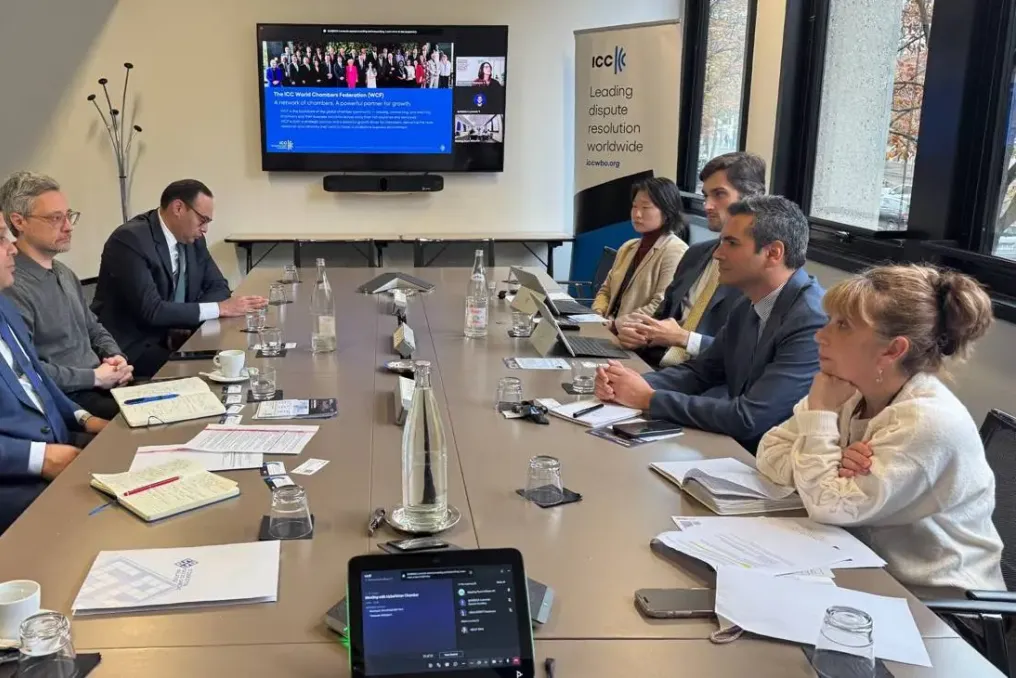
In mid-October, over 250 people attended UzNIF investor events, which was 50–60% more than the previous year. More than 60% of attendees learned about Uzbekistan for the first time. Dan reported that the Tashkent events gathered investors managing assets worth over $2 trillion. More than 160 institutional investors participated in the fund's IPO.
Commenting on privatization, Dan described the process over the past 18 months as highly transparent. He noted that the requirement for buyers of strategic packages to invest additional capital in the development of acquired assets is standard international practice.
Dan defined the growth of net asset value as the main indicator of the fund's success over the next three years. Internal NAV targets have been set for each portfolio company and for the fund as a whole, but he declined to disclose them publicly.