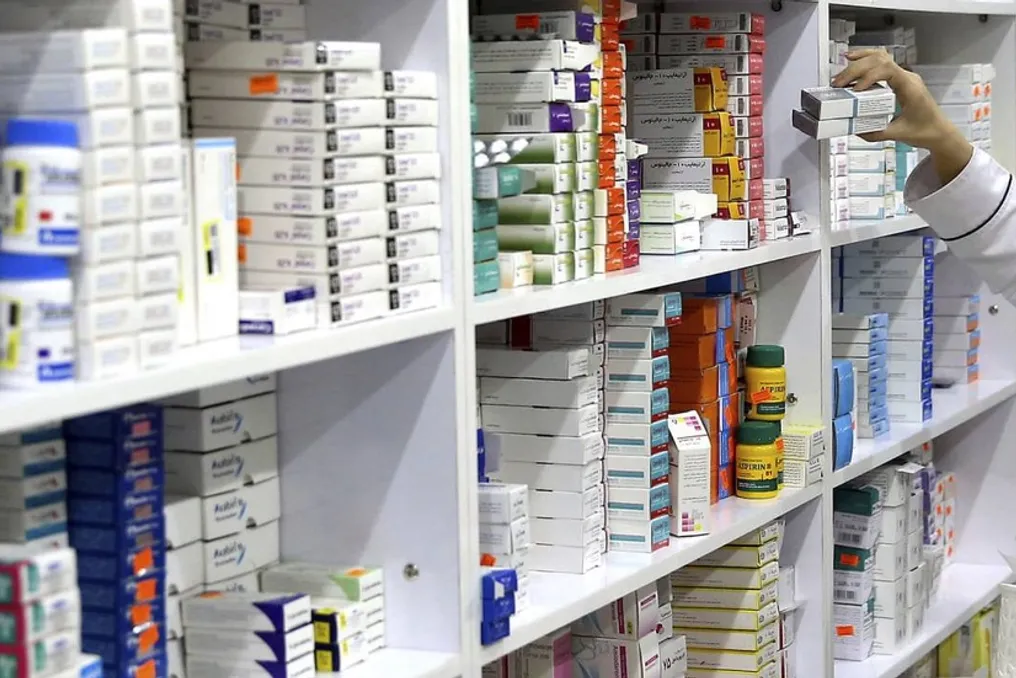
The Committee for Competition Development and Consumer Rights Protection of Uzbekistan is investigating cases where buyers are allegedly forced to purchase additional medications when buying popular drugs in bulk.
The regulator warned importers and wholesale distributors about the possible application of penalties if violations are confirmed. According to the committee, the number of complaints on social media regarding the forced sale of additional medicines alongside in-demand drugs has recently increased.
The committee noted that such methods can negatively affect the economic interests of small businesses, restrict their activities, and undermine competition.
Market analysis showed that in the first nine months of 2026, 305 pharmaceutical companies were imported into Uzbekistan. Furthermore, the five largest importers accounted for 47.2% of the total import volume.
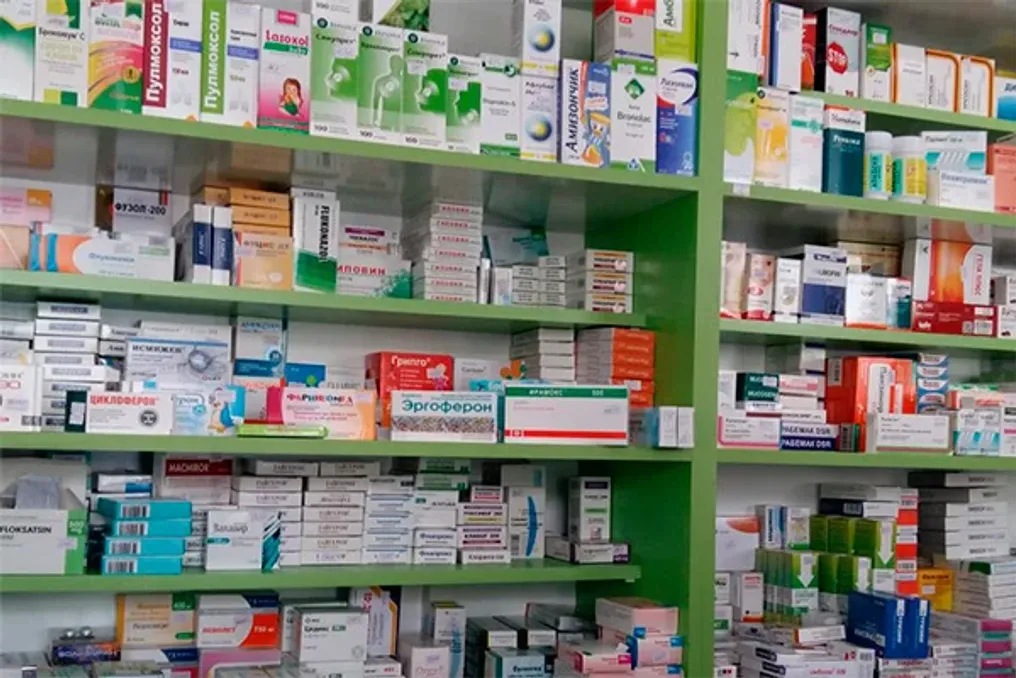
The structure of the country's pharmaceutical market has changed in recent years. In 2023, there were 13,744 pharmacies operating in Uzbekistan, including 521 wholesale points and 13,223 retail pharmacies. The retail network at that time consisted of 8,584 main pharmacies and 4,639 branches.
In 2024, the total number of pharmacies decreased by 5.6%, reaching 13,010. By October 1, 2026, this figure increased to 14,598, which included 449 wholesale points and 14,149 retail pharmacies. The retail network during this period comprised 7,940 main pharmacies and 6,209 branches.
Compared to 2023, the number of main retail pharmacies decreased by approximately 8% due to mergers and closures, while the number of branches grew by 33.8%.
According to Article 14 of the Law of Uzbekistan on Competition, dominant bargaining power is defined as the ability of a company or group of persons not holding a dominant position in the market to unilaterally influence the terms of transactions, the geographical area of goods sales, or prices.
Article 18 lists several practices classified as an abuse of such power. These include imposing discriminatory conditions and reducing the volume of circulating goods in a way that leads to price increases or harm to consumer rights. Abuse also includes requiring a contractual partner to purchase or sell another product, or to refuse cooperation with other companies as a condition for concluding an agreement.
Antimonopoly law violations, including the prohibition or restriction of purchasing or selling competitors' goods, can result in financial fines. The sanction amount is 5% of the revenue from sales during the violation period, but does not exceed the previous three years.
If it is established that buyers were forced to purchase unwanted medicines or other goods along with in-demand drugs, and this practice is recognized as a violation of antimonopoly legislation, the relevant companies will face penalties stipulated by the law.