Uzbekistan to introduce HACCP requirements for dietary supplement manufacturers in 2028
Read more
UzDaily
uzdaily.uz

Uzbekistan to introduce HACCP requirements for dietary supplement manufacturers in 2028

Uzbekistan plans to introduce HACCP system requirements for issuing permits for biologically active food additives starting from January 1, 2028. This measure is aimed at ensuring food safety.

This requirement is enshrined in Presidential Decree No. UP-35 dated March 5, 2026. In preparation for the entry into force of the new standards, the Agency for the Development of Medical and Pharmaceutical Industry has begun assessing the readiness of local producers and providing them with practical and methodological support.

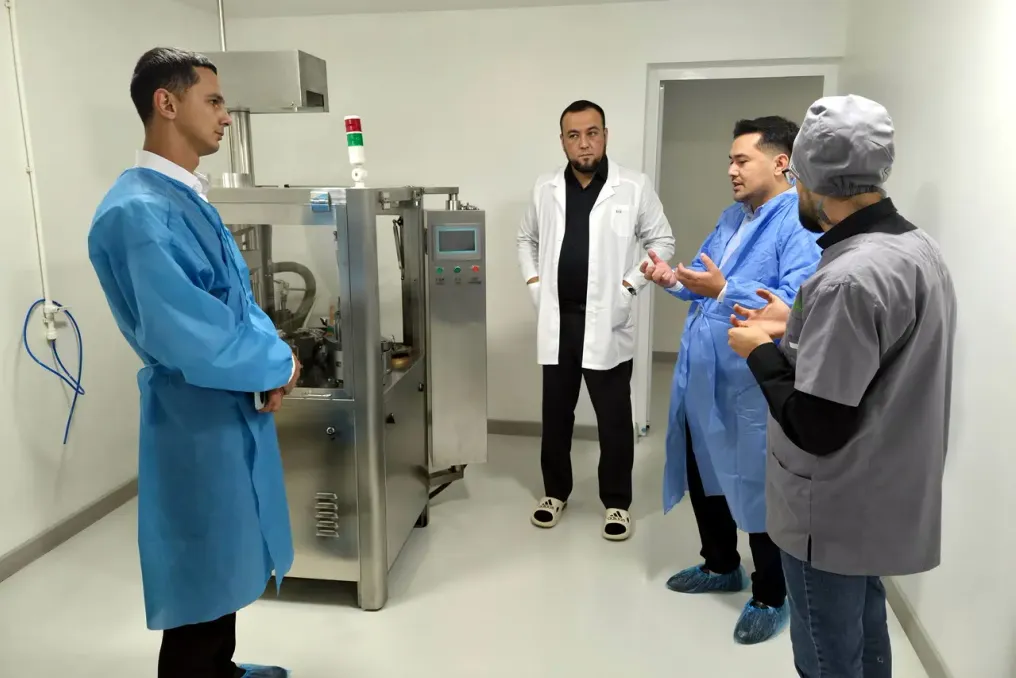
A recent assessment was conducted at the Pharma Care enterprise. Specialists carried out a preliminary analysis of the company's production processes in accordance with HACCP principles and studied its ability to implement this system.

The assessment covered production conditions, technological processes, product release control, compliance with sanitary and hygienic standards, as well as mechanisms for ensuring product quality and safety. After the initial audit, the company representatives were provided with recommendations on eliminating identified shortcomings and guidance on phased system implementation.

The Agency stated that it will continue to assess the readiness of dietary supplement manufacturers for the new requirements and provide them with methodological assistance.

Similar stories

Uzbekistan rejects proposal to introduce import duties on 12 categories of food products
Read more
uzdaily.uz

Uzbekistan rejects proposal to introduce import duties on 12 categories of food products

The Public Council at the Chamber of Commerce and Industry of Uzbekistan rejected the proposal to reinstate import duties of 15–30% on twelve types of food products that were previously imported duty-free.

The issue was discussed at the regular council meeting, where participants analyzed the potential impact of increasing customs fees on product costs and consumer accessibility. The discussion emphasized the need to consider domestic production and import volumes, consumer demand, household income levels, as well as the potential consequences of additional tariffs for the population.

During the meeting, one participant presented data indicating that Uzbekistan produced 84,000 tons of milk and cream, while the import volume amounted to 15,000 tons.

Zafar Kashimov, founder of the Korzinka supermarket chain, warned that rising prices for dairy products could affect household dietary habits. He suggested that if cheese, cottage cheese, and yogurt become less accessible, consumers might more frequently switch to cheaper alternatives such as bread and tea with sugar, which, in Kashimov's opinion, would negatively affect public health.

Financier and blogger Otabek Bakirov also expressed concern about the availability of dairy products for Uzbek families. He noted that Uzbeks are only beginning to live in a way that allows children to consume these products, rather than hiding them or saving them for guests, and that people are moving beyond daily concerns about food on the table to think about broader goals. However, according to him, cheese is not yet accessible to every Uzbek family.

Bakirov stressed that increasing domestic production and import volumes does not guarantee that dairy products are available to all families. After the discussions, the Public Council decided to reject the draft resolution on reinstating import duties on the specified twelve categories of food products.

Uzbekistan will mandate monthly elevator maintenance starting in 2027
Read more
uzdaily.uz

Uzbekistan will mandate monthly elevator maintenance starting in 2027

Starting January 1, 2027, building managers in Uzbekistan are required to ensure that elevators undergo technical maintenance at least once a month.

The entire process, including elevator registration, completion and termination of service contracts, as well as the submission and storage of maintenance records, will be carried out through the unified interdepartmental electronic platform 'Havfsiz Lift'.

This procedure is stipulated in the Rules for Operation and Technical Maintenance of Elevators, approved by Government Decree No. 588 dated October 22, 2026.

The authorized body will register elevators free of charge. If the initial technical inspection yields positive results, registration will be completed within two working days, and the applicant will receive a certificate with a QR code.

Each elevator cabin must display a standard identification number and registration data with a QR code in a visible location. It must also specify the name, address, and contact details of the building management company and the servicing company.

Transporting construction materials and construction waste in passenger elevators is prohibited, regardless of their load capacity. These restrictions also apply to items that do not fit within the elevator's dimensions, as well as explosive, flammable, radioactive, and highly toxic substances. The use of elevators and spare parts acquired and installed outside the electronic platform is forbidden.

Installers are obliged to provide a warranty for every commissioned elevator for a period of no less than three years. During the warranty period, repairs and part replacements must be carried out within a period not exceeding 15 days.

Technical maintenance cannot be performed if the elevator is marked with a red informational notice prohibiting its operation. The servicing company has no right to charge the building manager a monthly fee during this period.

Registration in the official registry of elevator maintenance organizations will also be free and will be carried out via online notification.

Uzbekistan plans to establish a national committee of the International Chamber of Commerce by 2026
Read more
uzdaily.uz

Uzbekistan plans to establish a national committee of the International Chamber of Commerce by 2026

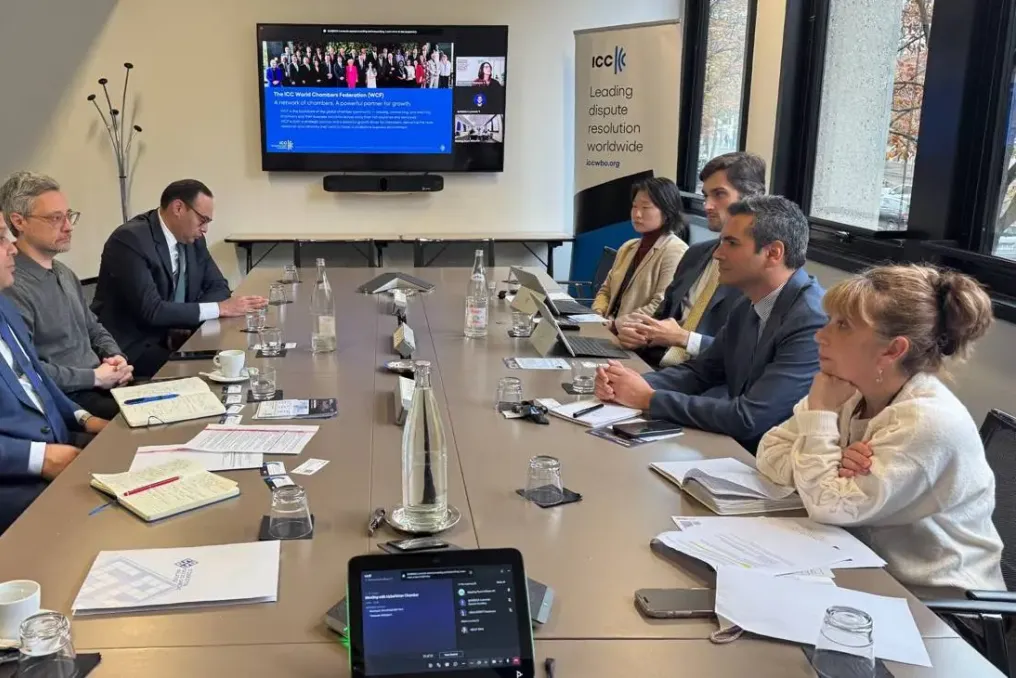
Uzbekistan intends to submit documents for the creation of a national committee of the International Chamber of Commerce (ICC) by the end of 2026. This decision was reached following a meeting held in Paris on October 21.

The meeting involved Davron Vakhabov, Chairman of the Chamber of Commerce and Industry of Uzbekistan, and Julian Kassum, Deputy Secretary General of the ICC for Network Development. ICC management reported that all necessary conditions for Uzbekistan's official entry into the organization have been met and expressed readiness to accelerate this process, according to the Chamber of Commerce and Industry of Uzbekistan.

Representatives from the ICC responsible for national committees, as well as the World Chamber Federation (WCF), were also present at the negotiations. These discussions continued the agreements reached in September at the Eurochamber Congress in Valencia.

In addition to establishing the ICC national committee, the parties discussed the possibility of direct membership of the Chamber of Commerce and Industry of Uzbekistan in the ICC and its participation in WCF events. Measures to improve international trade mechanisms were also considered, including the development of the ATA Carnet system and the digitization of agricultural product certificates of origin. The parties also discussed the potential use of ICC One Click and Chamber Benchmarking tools.

The participation of the ICC in the international business forum scheduled for Tashkent from November 30 to December 1 was discussed separately, as well as the prospect of holding WCF events in Uzbekistan in the future. These initiatives are aimed at simplifying international trade procedures for businesses, improving administrative processes, expanding ties with foreign partners, and increasing the competitiveness of Uzbek companies in external markets. Following the meeting, the parties agreed to begin implementing the reached agreements and continue developing cooperation.

Popular