Indian company CIMCON uses artificial intelligence to detect water leaks and save electricity
Read more
The Better India
thebetterindia.com

Indian company CIMCON uses artificial intelligence to detect water leaks and save electricity

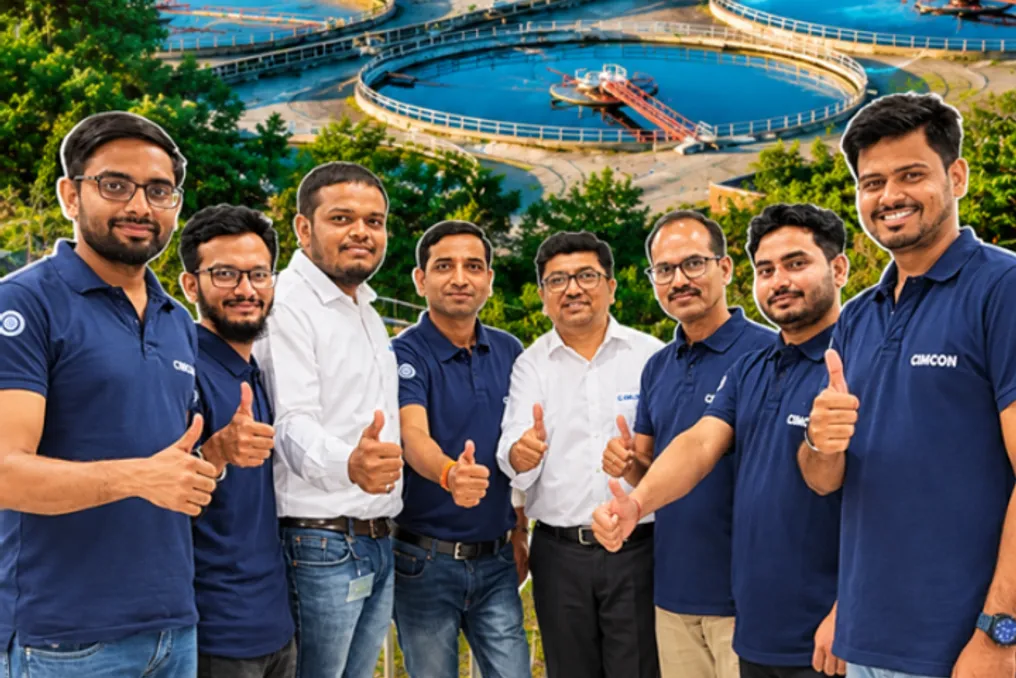
CIMCON, a company based in Ahmedabad, applies artificial intelligence, sensors, and automation to improve water resource management in cities and villages, as well as to enhance the quality of essential services. Through its projects, the company has managed to save over two billion kilowatt-hours of electricity.

In many Indian households, daily planning depends on unstable water supply, and in rural areas, women are forced to spend hours collecting water. The main objective is to ensure the reliability of vital services while simultaneously reducing losses.

When Anil Agrawal returned to India from the USA in 1988, he noticed that utility services heavily relied on paper documentation, site inspections, and phone calls. He founded CIMCON with the goal of making automation accessible.

Since technologies were expensive, many organizations doubted whether software could solve everyday infrastructure problems. CIMCON began creating cost-effective systems using readily available computer components and user-friendly software.

In the early 1990s, CIMCON collaborated with ONGC to monitor remote oil wells. Its system alerted operators to well shutdowns and transmitted production data, earning it the name 'talking wells.'

In the Dehradun area, workers had to travel long distances to manage pumps and valves. CIMCON implemented remote monitoring and control of pumps, reservoirs, and valves, which helped reduce dependence on manual operations.

CIMCON CEO, Rajnish Dashottar, compares this technology to the human nervous system. Sensors and communication devices located throughout the public infrastructure transmit information to the central command center in real time.

Depending on the project, sensors track water consumption, pressure, reservoir levels, energy usage, and quality indicators such as pH, chlorine, and turbidity. Operators can monitor the network as conditions change.

When a pipeline leak occurs, the pressure level drops. The system helps operators locate leaks, assess water losses, and identify potential equipment failures before they disrupt water supply to homes.

Transporting water through cities requires a huge amount of electricity. CIMCON monitors pump operations to help utilities optimize operations and reduce unnecessary energy consumption. The company has saved over two billion kilowatt-hours of electricity. Furthermore, its smart lighting systems allow for remote control of streetlights, automating their operation and dimming lights during low traffic hours.

In rural communities, reliable water supply frees up women and girls from hours of water collection labor. This time can be dedicated to education, work, and family, and clean water reduces the risk of contact with unsafe sources.

Many urban households still rely on storage tanks and scheduled water supply. Agrawal's long-term goal is to facilitate the transition of cities to reliable 24/7 water supply so that families do not have to plan their lives around water availability.

CIMCON is exploring predictive maintenance, flood forecasting, digital twins, and AI-based infrastructure management. These tools can help authorities anticipate failures, forecast demand, and make more informed decisions.
Similar stories

Indian tech boom depends on efficient use of energy and water, in addition to AI infrastructure
Read more
yourstory.com

Indian tech boom depends on efficient use of energy and water, in addition to AI infrastructure

Although India's technological agenda is increasingly defined by artificial intelligence, data centers, and digital infrastructure, a more fundamental issue lies in ensuring the country has sufficient reliable electricity and water to support growing cities and industries.

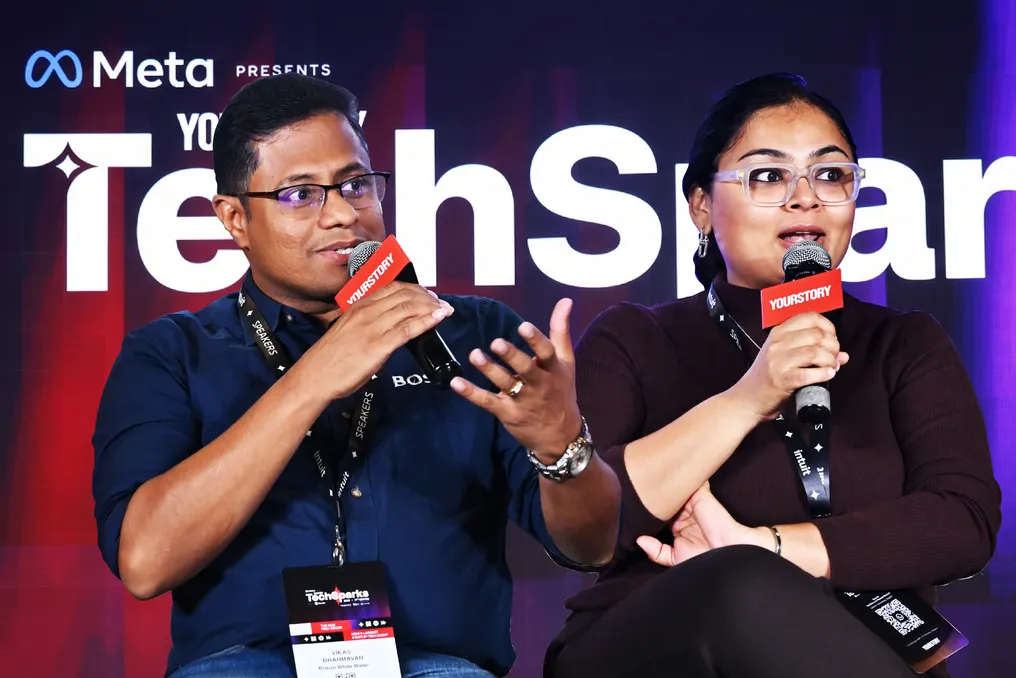
At the TechSparks 2026 conference, during a panel discussion titled 'Invisible Infrastructure: Restoring India's Energy, Water, and Clean Air Systems,' Shreya Mishra, co-founder and CEO of SolarSquare, and Vikas Brahmavar, founder and director of Boson Whitewater, discussed the importance of scaling these solutions, which require more than just technological innovation.

Shreya Mishra, co-founder and CEO of SolarSquare, noted significant changes in the residential solar energy market in India over the past five years. When SolarSquare first entered the market, adoption was limited; consumers had a weak understanding of rooftop solar panels, and initial costs deterred many households. Nevertheless, the company believed that the economics of distributed energy generation and the need for energy security would ultimately drive growth.

Mishra stated that 'distributed solar power, meaning solar panels on every roof, will become the cheapest source of energy.' According to her, it took five years for one lakh (100 thousand) homes in India to switch to residential solar energy when the company started. Today, the country adds many homes every week, and SolarSquare has already powered over 60,000 homes.

However, economic factors alone do not alleviate consumer concerns. Rooftop solar panels require significant upfront payments, and households may worry about equipment reliability, maintenance costs, and whether the system will generate the promised amount of electricity. Therefore, for companies in this sector, building trust is as important as justifying financial viability.

Mishra also views distributed solar energy as a way to reduce the costs associated with long-distance electricity transmission. Although energy can be generated relatively cheaply, transmission and distribution costs can increase the final price for consumers. Her argument is that generating power closer to the point of consumption can help bridge this gap. Currently, SolarSquare serves both individual households and about 500 housing societies.

On the other hand, water presents a different challenge. Vikas Brahmavar, who transitioned from software to working on water reuse, reported that years of effort were required to create the necessary policy environment to support this sector. He explained that 'water, unlike the sun, has a fixed sun that shines,' emphasizing that wastewater treatment must account for changing water quality. The business also needs supportive policies and a viable economy to scale.

This necessity is becoming increasingly acute as cities and industries compete for ever-diminishing freshwater resources. Groundwater extraction remains the primary source of supply, while industrial needs, such as data centers, cooling towers, semiconductor manufacturing, galvanizing, and laundries, require substantial amounts of water. Brahmavar reported that over the past four years, his company has reused about 147 billion liters of water that would otherwise have been lost.

This opportunity is particularly relevant amid the expansion of data centers and the growing demand for water-intensive infrastructure. Reusing treated wastewater for industrial purposes can help reduce the strain on freshwater sources while creating a commercially viable market for recycled water.

However, the water supply economics can be counterintuitive. Brahmavar pointed to the Cauvery supply in Bengaluru, noting that consumers are billed around 7 rupees per kiloliter, while the government spends about 95 rupees per kiloliter to transport water from a distant river to the city. He suggested that this gap illustrates the problem faced by alternative water sources: the solution must compete not only with the availability of fresh water but also with how existing water supply systems are priced and subsidized.

If residential solar energy benefits from growing awareness of consumer savings, recycled water faces an additional hurdle—public perception. Brahmavar recounted how his company spent two and a half years engaging with over 300 housing complexes about the possibility of using recycled water, including for drinking. The response showed that convincing people to accept treated wastewater can be difficult, even if the purification technology is available.

Currently, the company is focused on industrial applications, where recycled water can replace fresh water without requiring consumers to overcome the same psychological barrier associated with consumption. In his view, 'technology is the least of the problems'; the more serious obstacles are commercial viability, public perception, regulatory compliance, and on-the-ground implementation.

Meanwhile, SolarSquare is moving beyond just installing rooftop solar panels. Mishra stated that the company aims to become a full-fledged home energy brand, expanding into batteries, electric vehicle chargers, home energy monitoring, energy optimization, and smart grid integration. The company also uses software for remote monitoring of installations and identifying issues. Mishra noted that monitoring data can help detect voltage fluctuations and recurring power outages, allowing the company to identify potential problems and recommend solutions, such as battery storage, where appropriate. She said such capabilities can improve customer service and reduce the need for physical inspections.

The experiences of SolarSquare and Boson Whitewater demonstrate two different stages of climate infrastructure development. Residential solar energy benefits from growing consumer awareness and a clearer financial proposition, while wastewater reuse is still working to overcome barriers related to pricing, policy, and perception. However, the common challenge for both companies is how to transform a technically viable solution into infrastructure that people and organizations can adopt at scale.

Attero uses artificial intelligence to solve pricing and compliance issues in waste recycling
Read more
yourstory.com

Attero uses artificial intelligence to solve pricing and compliance issues in waste recycling

When a washing machine arrives at a recycling plant, it may appear as a single product. However, for a recycling company, its value is determined by its contents, the presence or absence of components, the volume of extracted material, and the processing cost.

When these decisions must be made for thousands of household appliances, suppliers, and locations, the recycling process becomes a complex task involving pricing, logistics, and regulatory compliance.

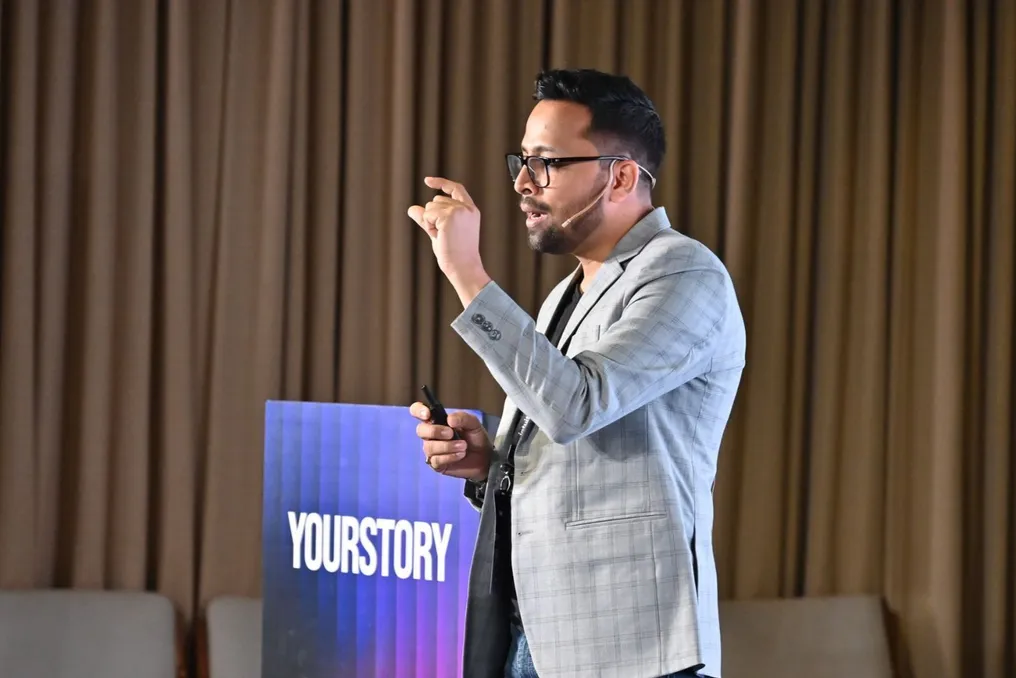
The Indian company Attero, which specializes in recycling electronic waste and batteries, is applying artificial intelligence to standardize these solutions. During a presentation at the TechSparks 2026 conference, Ayush Agarwal, Head of Product and Technology at Attero, discussed how the company uses AI to assess the value of recyclable materials and ensure that transactions comply with regulatory norms.

According to Agarwal, Attero processes about 200,000 metric tons of e-waste and 10,000 metric tons of lithium-ion batteries annually. The company purchases materials worth over 1,000 crore rupees per year, highlighting the importance of accurate pricing for its business model.

Unlike copper or gold, scrap metal does not have a single standard price on global commodity exchanges; its value depends on recoverable materials, processing and transportation costs, as well as regional supply and demand.

Attero has developed the Matrix system—an AI-based pricing mechanism that integrates material information with market analytics. This system evaluates components and extracted metals in various household appliances and then uses machine learning models and raw material prices to determine the material's value in a specific market.

For example, the price of a washing machine might differ between Delhi and Mumbai due to local market conditions and logistical expenses. The system relies on three years of recycling data, two years of exchange data, and information on thousands of different appliances.

Agarwal noted that such solutions cannot be scaled using human judgment, so the company aims to standardize pricing instead of expanding staff to manage growing volumes.

Pricing is just one of the challenges. Recycling companies are also required to maintain extensive records covering suppliers, transporters, invoices, transport documents, and legal requirements.

Attero has also created Lightspeed—an AI-based compliance mechanism that checks documents, cross-references information across records, and flags exceptions for review. This system is designed to create audit-ready reports, helping the company respond to regulator or client inquiries years after a transaction takes place.

According to Agarwal, the Attero platform has already processed 50,000 documents and identified over 500 errors. The company aims to increase efficiency by 70%, allowing the existing team to process four times more documents without increasing headcount.

For Agarwal, the value of AI goes beyond simple automation. By connecting pricing decisions, procurement costs, and the cost of extracted materials, Attero gains a clearer picture of profitability at the level of each individual request.

He also mentioned that the company is developing visual learning capabilities to identify incoming material from supplier images, with its image dataset growing from 10,000 to a target of 100,000.

The broader takeaway is that AI can create business value even in industries where the core work remains physical. By striving to make decisions more consistent and consolidate disparate operational data, Attero is working to build systems that support growth without complete reliance on increasing personnel.

Expert notes that artificial intelligence is transforming finance while exacerbating risk management challenges
Read more
cgtn.com

Expert notes that artificial intelligence is transforming finance while exacerbating risk management challenges

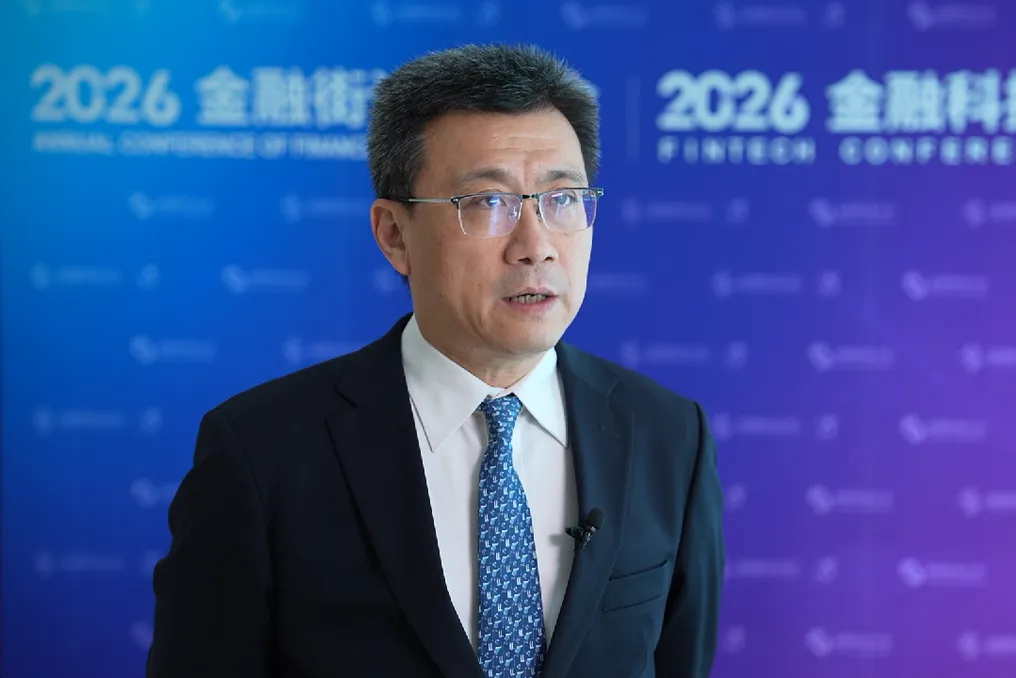
Artificial intelligence (AI) and its integration into the financial sector became a central theme at the Financial Streets Forum 2026. During an interview at this forum, Zhang Ke, Executive Chairman of the Beijing Institute for Frontier Technology Regulation, shared his views with CGTN on the opportunities, risks, and global governance of AI in the financial sector.

Characterizing AI as the driving force of the fifth industrial revolution, Zhang emphasized that the primary value of AI lies in enhancing efficiency. Nevertheless, he warned that fundamental difficulties persist as long as AI models heavily rely on data dependency and adherence to predefined paths.

Addressing the risks of using AI in large-data financial systems, Zhang highlighted two main issues: data privacy and accountability. While data flow is a necessary condition, questions concerning data security, access levels, and public disclosure require the establishment of strict global regulatory frameworks.

Furthermore, despite AI's capability to significantly optimize decision support and research, Zhang cautioned against fully delegating final trading decisions to algorithms. In the event of financial losses, ultimate responsibility must rest with the human decision-makers, not the machine intelligence.

To mitigate these systemic risks, Zhang called for active international cooperation. He compared the need for global AI governance to major international agreements such as the Paris Agreement on climate change and the Stockholm Convention on Intellectual Property. Instead of excessive regulation, governments should collaborate on creating an international 'AI Accord' to standardize disparate rules.

Looking ahead, Zhang noted that AI provides the greatest benefit when used as a strategic consultant for high-level decision-making and group strategy, rather than replacing routine transactional operations. He concluded that human oversight remains indispensable in every critical financial maneuver.

Popular