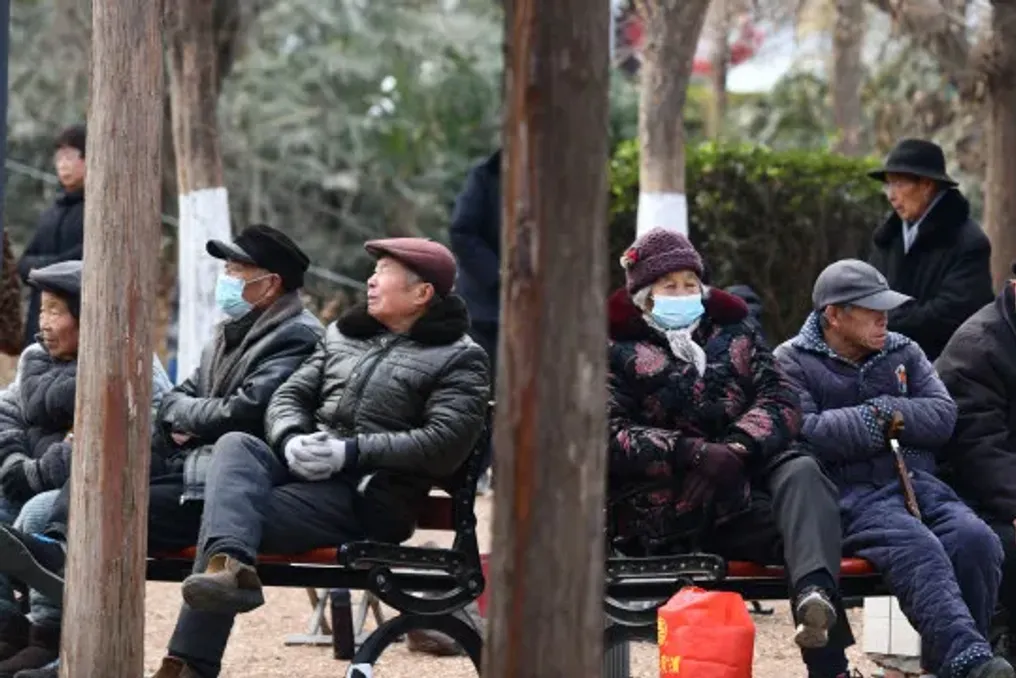
In China, a unique method of vacationing is rapidly spreading among retirees. Instead of booking a hotel room, people spend time in each other's homes. The essence of this method is that they temporarily provide their home to another person so that they can live in someone else's accommodation. This approach is called 'Home Swapping'. It allows them to avoid high accommodation costs and also provides an opportunity to meet local residents and make new friends in a new city.
What is home swapping?
Home swapping involves two families or individuals temporarily living in each other's homes. For example, if an elderly person from Beijing wants to take a vacation in Xi'an, and a resident of Xi'an wishes to visit Beijing, they can agree to swap their homes. During this time, the Beijing resident will live in the Xi'an house, and the Xi'an resident will live in the Beijing one. Neither party has to pay for a hotel room. After the vacation ends, everyone returns to their own homes. This option is especially beneficial for those who prefer to travel with minimal expenses and enjoy long vacations.
How did seniors find a way to save on hotels in China?
The number of people traveling across China after retirement is growing, but expensive hotels and accommodation costs often strain the travel budget. Because of this, people have found a new way: they temporarily give their home to a person living in another city and, in return, live in their home. This trend includes not only elderly retirees but also people who left work at a young age. They have free time and their own real estate. These people view home swapping as a good option for a vacation. Groups and agencies dedicated to home swapping are also emerging in China. People connect with each other through social media to find a home in a city that interests them.
The history of this practice dates back to the 1950s
The idea of vacationing by swapping homes is not new. It originated among some teachers in Europe in the 1950s. Later, after the release of the Hollywood film 'The Holiday' in 2006, this method became popular in many parts of the world. In China, this practice began to gain momentum among young people around 2023, as people sought alternatives due to rising hotel prices. Now, retirees are also embracing it. In October, it was noted that average travel expenses during China's National Holidays amounted to about 894 yuan per person, equivalent to approximately 135 dollars, marking the lowest figure in history. In this climate, this low-cost travel method is gaining popularity.
Wu Xiaoping, a teacher living in Wenzhou, Zhejiang province, who is approaching retirement, swapped her home with an elderly person living in Nanjing. This elderly person's daughter studies in Japan. Thus, both gained the opportunity to temporarily live in another city. Wu is now connected with several home-swapping groups. According to her, people's preferences in this system vary: some women prefer to swap homes with other women, while others choose hosts based on their profession and social status.
Zhao Ping, a 40-year-old resident of Guangdong, also left work at a young age. He provided his empty duplex in exchange for a villa in Guizhou. This villa had a large courtyard, a pond, and a sitting pavilion. Zhao Ping spent about 20 days there. During this time, he cooked for himself and spent time with the homeowner's friends. For him, it was not just a way to save on accommodation but also an opportunity to meet new people and experience a new place from the inside.
Similarly, retired engineer Li Feng from Xi'an provides her empty apartment to other people twice a year. On one occasion, she visited a hot spring villa in Guangdong. Some guests leave new electronic goods for the homeowners as a token of gratitude upon departure.
Conditions set before a home swap
However, handing over your home to a stranger is not easy; trust and safety are important here. Therefore, participants in the swap predetermine a set of rules. Usually, both parties exchange copies of identification and necessary documents. They also exchange information about valuables in the home. Furthermore, it is decided in advance who will pay the bills for electricity, water, and other utilities.
Guests staying in the home are expected to keep the bed and necessary items clean, and to leave the house tidy after leaving. Some people send the owner a video before leaving to ensure the condition of the house.
Safety concerns
With the growth of this trend, some problems are also arising. The biggest