India approves scheme worth 2814 crore rupees to establish four critical mineral processing plants
Read more
Aaj Tak
www.aajtak.in

India approves scheme worth 2814 crore rupees to establish four critical mineral processing plants

Special minerals are required for the production of modern technologies used in electric vehicles, mobile devices, electronics, and the defense sector. However, after mining these minerals, India still depends on other countries for their processing. China dominates this area. To reduce this dependence, the central government has taken significant steps.

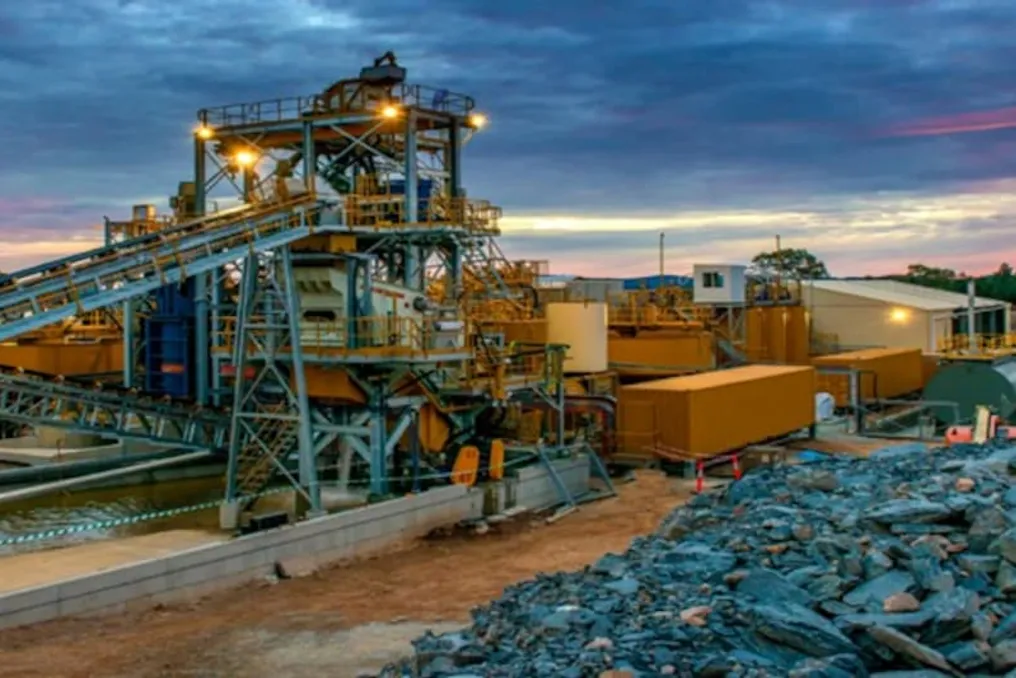
At the Central Cabinet meeting held on Wednesday under the chairmanship of Prime Minister Narendra Modi, the 'Critical Mineral Processing Scheme' worth 2,814 crore rupees was approved. Under this scheme, four processing plants for lithium and nickel will be built in the country. The government will provide a capital subsidy of up to 30% on relevant investments. This will increase the processing of these minerals in India, reduce import dependence, and pave the way for securing raw materials needed for future domestic technological industries.

After approving this program, Prime Minister Narendra Modi wrote on the social network X, questioning whether India should rely on other countries for the processing of critical minerals that power future technologies. He categorically rejected this idea. PM Modi emphasized that lithium, nickel, and cobalt are indispensable for electric vehicles, batteries, electronics, and the defense sector. He noted that India currently heavily relies on imports of refined raw materials. To change this dependency, the Cabinet approved a new program. According to the Prime Minister, the plan will involve establishing new processing enterprises, stimulating investment through capital subsidies, increasing domestic value addition, and making the supply chain more resilient. He stated that India must possess its own potential to create future technologies.

Critical minerals are resources whose supply disruption could negatively affect the country's economy, industry, energy security, and defense sector. These minerals include lithium, nickel, cobalt, graphite, and rare earth elements. They are used in electric vehicles (EVs), batteries, mobile phones, electronics, wind energy, and defense equipment. The processing of these minerals is carried out only in a few countries globally on a large scale. According to data from the International Energy Agency (IEA), China's share in the global processing of rare earth elements and graphite for batteries exceeds 90%.

Thus, regardless of where the minerals are mined, reliance on Chinese processing capacity is often necessary to make them usable in batteries or other technologies. The risk of this dependence increases when political tensions arise in any country, export bans are imposed, or supply disruptions occur. This can lead to delays in raw material acquisition for companies and price increases. India is also highly dependent on the import of high-purity and refined mineral materials. In this regard, the government aims to create a reliable domestic processing infrastructure.

The central government named this initiative the 'Capital Expenditure Support Scheme for Promoting Critical Mineral Processing.' Capital Expenditure (CapEx) refers to capital costs associated with building plants, machinery, and other infrastructure. Under this scheme, the government will provide a 30% capital subsidy on relevant investments for the construction of four critical mineral processing plants in the country. Two of these plants will be dedicated to lithium processing, and two to nickel processing. The total budget for the scheme is set at 2,814 crore rupees and will be implemented over five years, from the fiscal year 2026-27 to 2030-31. The government's goal goes beyond simply building plants; it wants the processing of raw minerals and their primary products into high-purity compounds to take place in India. That is, the work of adding value to minerals must be done domestically to reduce dependence on foreign finished goods supplies.

A minimum production capacity has also been defined for the four plants under the program. For the two lithium plants, the minimum capacity will be 30 kilotons (30,000 tonnes) each. For the two nickel plants, the minimum capacity will be 50 kilotons (50,000 tonnes) each. These plants will process intermediate products obtained from lithium and nickel ores into high-purity compounds that can be used in batteries and other industrial needs. During this process, cobalt is expected to be obtained as a byproduct during nickel production. Cobalt is also an important mineral used in the creation of lithium-ion batteries. Thus, increasing nickel processing capacity can contribute to increasing domestic cobalt availability.

The government will provide 30% of the relevant investments in the form of a capital subsidy. Limits on maximum government assistance have also been set for each project. For example, if a company builds two lithium processing plants, the minimum capacity per plant is set at 30,000 tonnes, and the maximum government assistance for this is 500 crore rupees. Similarly, for nickel processing...
Similar stories

Minister Goyal states India will become a major exporter to China and ASEAN in the coming years
Read more
business-standard.com

Minister Goyal states India will become a major exporter to China and ASEAN in the coming years

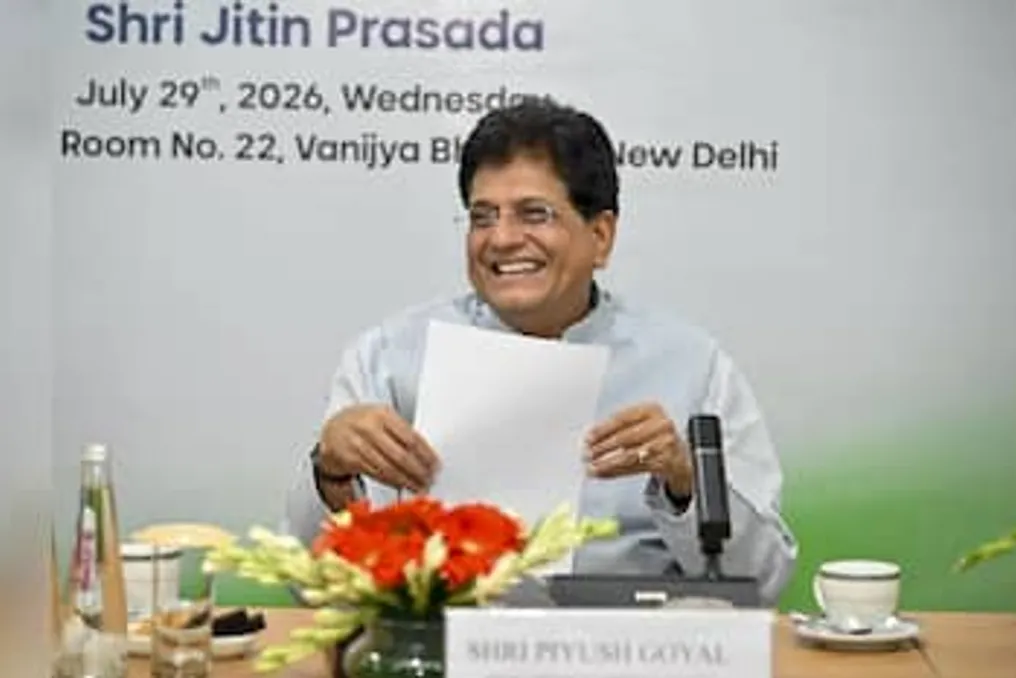
Commerce and Industry Minister Piyush Goyal stated on Tuesday that India is ready to welcome Chinese suppliers to meet growing import demands, while emphasizing that established legal procedures will be applied against any unfair pricing policies. He expressed hope that in the near future, India could become a significant exporter to both China and the ASEAN region.

Goyal reported that he had held meetings with his Chinese counterpart in Yaoundé, Cameroon, as well as in New Delhi during the BRICS Summit. He added that India is interested in promoting free and fair trade with all nations.

According to the minister, China provides India with vital raw materials and intermediate products. However, if any violation of fair play or pricing principles is discovered in any product, there is an established judicial process for its resolution. Otherwise, India believes in the rules of open trade and welcomes offers from suppliers wishing to meet India's growing needs.

These statements were made in response to a question about the prospects of trade relations between India and China. The minister was in the country on a two-day official visit. He also noted the desire to open markets in various countries on a mutual basis for Indian goods and services, expressing hope that India would become a major exporter to China and ASEAN.

Members of the Association of Southeast Asian Nations (ASEAN) include countries such as Brunei, Cambodia, Indonesia, Laos, Malaysia, Myanmar, the Philippines, Singapore, Thailand, and Vietnam.

According to the latest data from the Ministry of Commerce, the bilateral trade turnover between India and China increased by approximately 29 percent from April to September of the current fiscal year, reaching $91.76 billion, making Beijing India's largest trading partner in the first half of 2026-27. In April-September 2025-26, the bilateral exchange amounted to $71.24 billion.

Goyal's recent remarks came nearly two weeks after the minister stated on October 14 that India is working to restore relations with China, although a final decision on this matter has not yet been made.

In recent months, both sides have taken several steps to improve ties after facing intense pressure following the deadly clashes in the Galwan Valley in 2020. On September 12, Prime Minister Narendra Modi conveyed to Chinese President Xi Jinping that peace and tranquility along the border remain a 'substantial' foundation for the development of relations between India and China, even though both leaders welcomed 'stable progress' in bilateral relations. Both leaders met on the sidelines of the BRICS summit in New Delhi last month.

After more than four years of strained relations due to military confrontation in Eastern Ladakh, the two neighbors began to restore their ties following the meeting between Modi and Xi in the Russian city of Kazan in October 2024, which took place after the clashes subsided.

India has repeatedly raised concerns about the growing trade deficit with China. Bilateral trade between the two countries grew by 7.9 percent in 2025-26, reaching $127.7 billion compared to $118.39 billion in 2024-25. India's exports to China increased by 36.62 percent, amounting to $19.47 billion in 2025-26 compared to $14.25 billion the previous year. Imports, conversely, rose by 16 percent, reaching $131.62 billion during this period. The trade deficit widened to $99.19 billion in the last fiscal year compared to $85 billion in 2024-25, causing concern in the country.

There are also issues related to Chinese investment, as India has tightened its Foreign Direct Investment (FDI) policy for countries sharing a land border with it. When asked about new Chinese export restrictions on key equipment, including tunnel boring machines, the minister replied: 'We will work on it.'

Restrictions on the export of tunnel boring machines (TBMs) and related items could affect several Indian projects, including underground metros, high-speed rail lines, and tunnels in various locations, including border areas.

Construction of Chinese dam on Brahmaputra River raises concerns in India regarding the Siang project
Read more
www.aajtak.in

Construction of Chinese dam on Brahmaputra River raises concerns in India regarding the Siang project

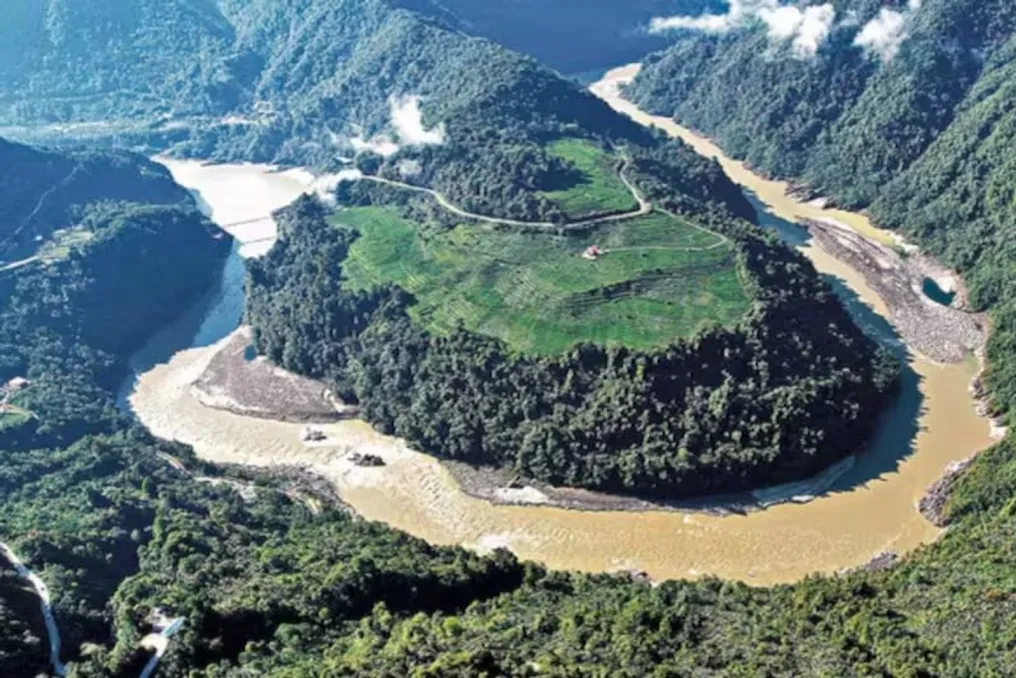
China is building a large hydropower station with a capacity of about 60,000 megawatts in the upper reaches of the Brahmaputra River in Tibet. Concurrently, India plans to implement the Siang Upper Multi-Purpose Project (SUMP) in the state of Arunachal Pradesh, which will have a capacity of 11,200 megawatts. This project involves not only electricity generation but also water storage and river flow regulation, capable of holding about 9.2 billion cubic meters of water, although final approval for this project has not yet been granted.

This project is of great importance to India due to concerns about the impact of the Chinese dam on the river's water regime. The Yarlung Tsangpo River, originating in Tibet, is known as the Siang in India and subsequently becomes part of the Brahmaputra. Therefore, changes in water flow in China could affect Arunachal Pradesh and Assam. The proposed Indian project may help in accumulating and controlled release of water, but it is not yet clear how much this will reduce the risk of flooding.

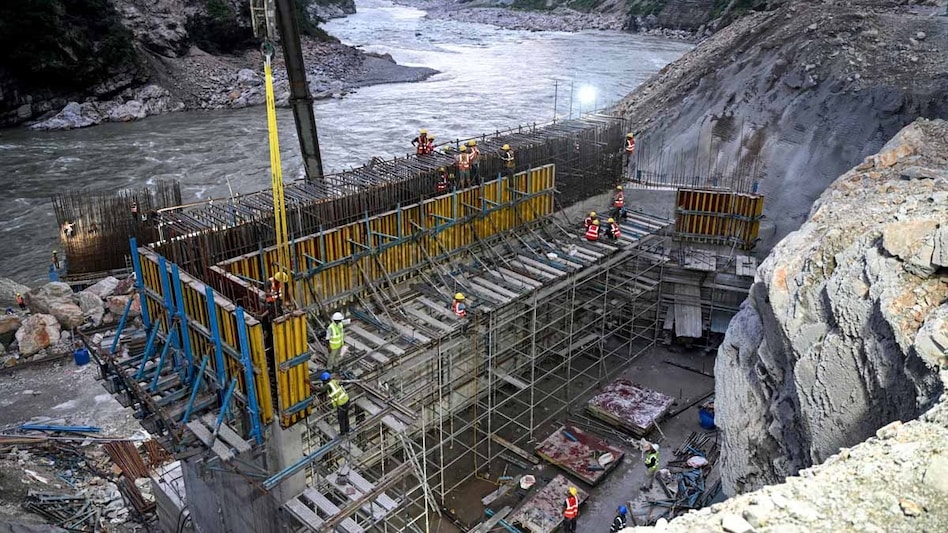
China began construction of a large hydropower project on the lower reaches of the Yarlung Tsangpo River in Tibet on July 19, 2025. According to the Chinese government, five power stations will be built under this project. The total estimated cost is approximately 1.2 lakh CNY, which at that time was about 167.8 billion US dollars. The capacity that this power station should provide is about 60,000 megawatts.

The Yarlung Tsangpo River is called the Siang after it enters Indian territory and then transforms into the Brahmaputra in Assam. India is concerned that China might retain or suddenly release water from the river, which could affect Indian territories. However, the actual scale of the impact will depend on how the dam is used and the overall volume of water in the river.

Chowna Men, Deputy Chief Minister of Arunachal Pradesh, stated on October 5, 2026, that the main objective of the Siang project is flow management and water storage. The planned height of the dam will be approximately between 280 and 300 meters, and it is designed to store about 9.2 billion cubic meters of water. This water can be released as needed, helping to control the river's flow. Nevertheless, it remains uncertain how much this will reduce the probability of floods; determining this requires studying the river's water volume, the dam's structure, and the water release rules.

The Indian government has expressed its concern regarding the Chinese dam. India has demanded that China provide data on the river's water regime and take into account the interests of downstream regions. In 2006, a system was established between India and China to discuss issues related to rivers. Timely access to water data could help India forecast floods and provide early warnings to the population.

The Siang project is in the preliminary assessment stage. Pema Khandu, Chief Minister of Arunachal Pradesh, stated in September 2026 that a Preliminary Feasibility Report (PFR) must first be prepared. This assessment will determine the feasibility of the project. If experts deem it unfeasible, the project will not proceed further. Furthermore, some local residents are concerned that dam construction could lead to the flooding of land and villages, as well as negatively affect forests and the environment, so thorough checks and appropriate permits are necessary before construction begins.

Overall, the Siang project aims to generate electricity, store water, and regulate river flow. Against the backdrop of growing anxiety over the Chinese dam, this project gains significant importance, although the answer to how much it can mitigate the potential impact of the Chinese dam remains unknown and requires comprehensive study and final project planning.

India builds Siang dam in response to Chinese project, sparking protests among Arunachal Pradesh youth
Read more
www.aajtak.in

India builds Siang dam in response to Chinese project, sparking protests among Arunachal Pradesh youth

The proposed 11,200 MW Siang dam on the Brahmaputra River is viewed as a strategic defensive barrier in response to a major Chinese project. However, local residents from the 'Adi' community in Arunachal Pradesh are opposing this initiative. On Friday, October 23, protests in the region escalated into violence, accompanied by acts of vandalism and arson targeting homes of local politicians, a police station, and the state corporation 'National Hydroelectric Power Corporation' (NHPC) responsible for the dam construction.

Following these incidents, the situation in the eastern region of Siang, Arunachal Pradesh, remains tense, with central armed police forces deployed in the area. The Siang River originates in Tibet, flows through Arunachal Pradesh, serving a vital function for local communities before joining the Brahmaputra along with other rivers that flow through Assam and into Bangladesh.

It is in this location, in the East Siang district of Arunachal Pradesh, that India plans to build the dam to ensure its water security against China. The local community organization, 'Adi Banne Kebang', is leading this protest, demanding the cancellation of the Siang Upper Multipurpose Project (SUMP) and the rejection of the 'Preliminary Feasibility Report' (PFR).

The question remains as to the reasons behind the protests against the proposed 11,200 MW Siang dam. Protesters from Generation Z and local residents are challenging the multipurpose project. These demonstrations and acts of violence occurred against the backdrop of the Arunachal Pradesh government, led by Minister Maharaja Pema Khandu, asserting its firm decision to proceed with a feasibility study for the river's dam construction by NHPC.

The central government argues that the proposed dam is a strategic measure to defend against growing Chinese control over the upper Brahmaputra catchment area. Conversely, representatives of the 'Adi' community believe that building a dam on this 'sacred river' poses a threat to their ancestral lands, livelihoods, cultural identity, and the entire region where they have resided for generations.

A journalist from Itanagar, Tongam Rina, told 'India Today Digital' that protests against any projects in Siang have been ongoing for nearly 40 years. The recent dam project has triggered mass demonstrations, which have intensified over the last three years. Rina, who works with the newspaper 'Arunachal Times', added that Gen Z youth are particularly dissatisfied with the use of tear gas by the police against female protesters in Arunachal Pradesh.

Meanwhile, Arunachal Pradesh Minister Pema Khandu has repeatedly stated that the final decision on dam construction has not yet been made. He clarified that if experts deem the project unsuitable, the government will not move forward. Khandu emphasized that any practical proposal requires an environmental and social impact assessment, a detailed project report, legal approval, and consultation with affected communities. On Sunday, he stated that public fears are caused by misinformation and misconceptions regarding the Siang Upper Multipurpose Project.

According to experts, the objective of the proposed Siang dam extends beyond mere power generation; it also holds strategic significance and relates to issues of river control and the distribution of development risks.

To understand India's motives, one must consider what is happening in Tibet, upstream of the river. In Tibet, the Brahmaputra is known as 'Yarlung Tsangpo'. This river flows east, then turns south and enters India, where it is called 'Siang' or 'Dihang' in Arunachal Pradesh. In this upper region, which is a seismically active zone with steep slopes, any major intervention in the river could cause concern for downstream areas.

In July 2025, China began construction of a giant hydroelectric power station in Medung County in its Tibet Autonomous Region (TAR). This region is sensitive to earthquakes, and experts have dubbed the construction of this massive dam a 'water bomb.' Beijing estimates the investment in this project at 1.2 trillion yuan, with an expected power generation capacity of about 60,000 megawatts, which would make it the world's largest project upon completion.

This raises concerns for India and Bangladesh, as the upstream country can influence the quantity and timeliness of water reaching downstream populations. Last year, when India suspended the Indus Water Treaty, Pakistan expressed concerns that China might control the flow of the Tsangpo-Brahmaputra system. It is in this context that India's Siang Upper Multipurpose Project emerges, which is currently facing strong opposition.

Popular