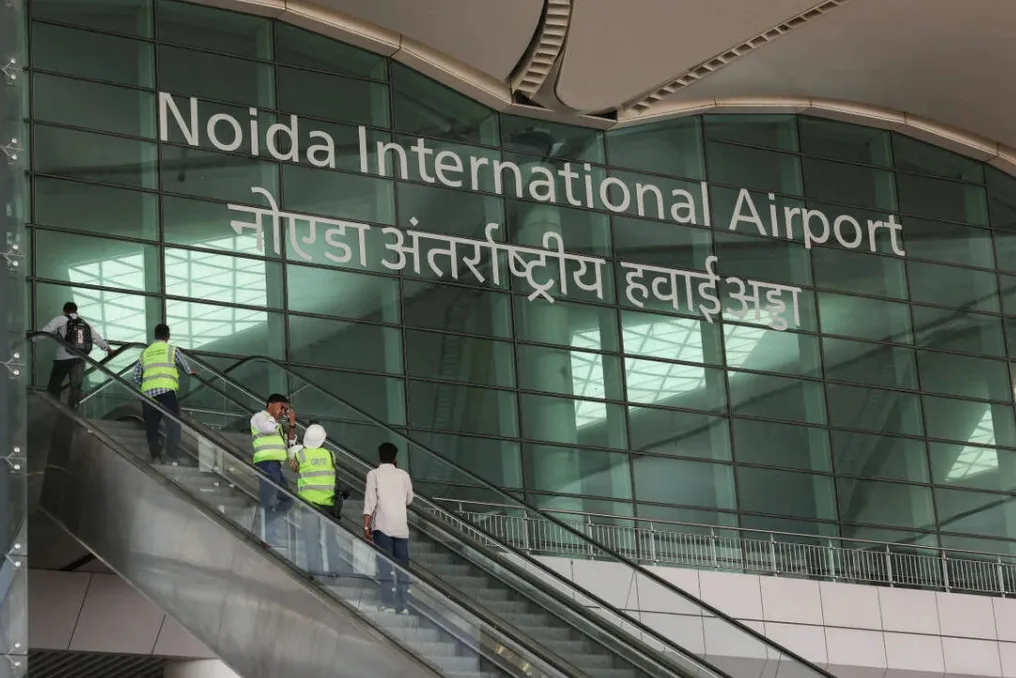
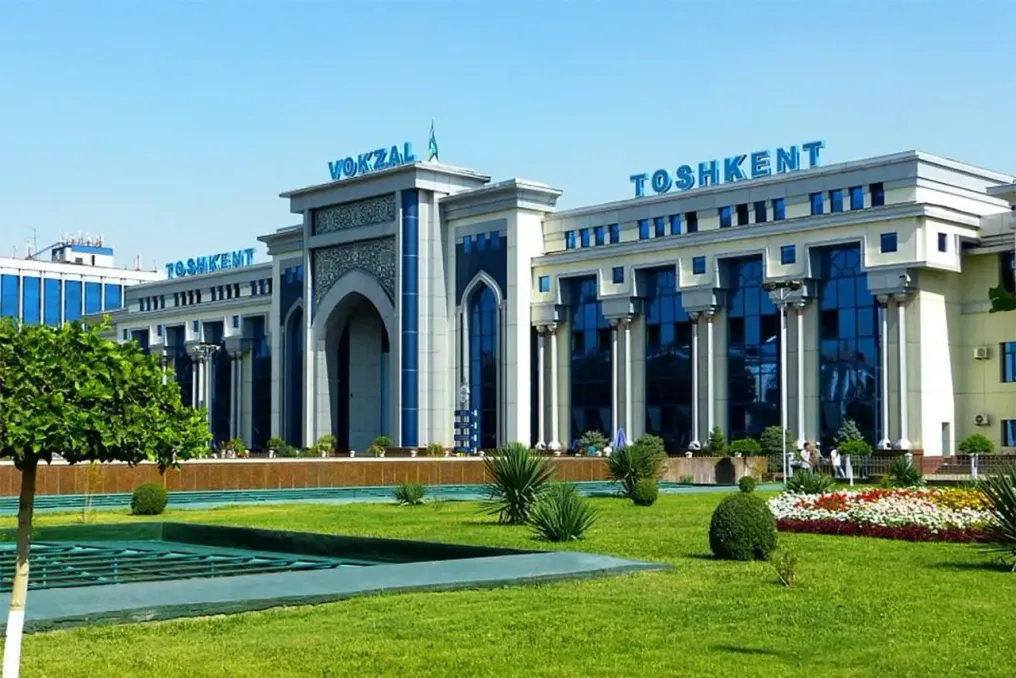
As part of the presidential decree project, Uzbekistan plans to integrate the new Tashkent airport with the Tashkent-Sever railway station. This initiative is part of the local passenger transport development strategy until 2030, which has not yet received official approval.
The strategy provides for the construction of three railway lines that will connect major stations with airports by 2030. In addition to the planned connection in Tashkent, railway links are provided between Bukhara station and the city's new airport, as well as between Urgench station and the International Airport of Urgench.
The financial part of the project separately indicates a proposed line connecting Parkent with the new Tashkent airport. According to the planned schedule, the first railway line should start operating in 2026, and two more lines are planned to be commissioned by 2029; all three connections must be operational by 2030.
The Ministry of Transport of Uzbekistan and JSC 'Uzbek Railways' will be responsible for preparing technical and economic justifications, design documentation, coordinating land allocation, construction, and commissioning of the railway tracks.
It is proposed that the railway connections in Tashkent and Bukhara will be financed through commercial bank loans. Preliminary estimates allocate $30.6 million for 2029 and $37.4 million for 2030, totaling $68 million.
The document does not specify the separate cost of each railway line nor does it define the funding source for the Urgench connection. It also emphasizes that the stated funding amounts are preliminary and may be adjusted after the completion of the feasibility study.
Integrated Transport Network and Development
The strategy includes plans to create a unified transport network within the capital agglomeration starting from July 2027. This network will ensure connectivity between Tashkent-Sever and Tashkent-Yug railway stations, Tashkent International Airport, and the city's central bus terminal.
It is planned to increase the number of suburban electric trains running from Chirchik, Yangiyul, Angren, and Almalyk by 1.5 times, and passengers will be offered free transfers at metro stations.
Furthermore, the project provides for the introduction of 20 public transport routes that will connect airports, railway stations, and bus terminals across Uzbekistan. A gradual increase in the number of these routes is expected: from five in 2026 to eight in 2027, 14 in 2028, 16 in 2029, and 20 by 2030.
Another goal is to reduce the average transfer time between different modes of transport from the current 22 minutes in 2025 to 10 minutes by 2030. To achieve this goal, six integrated transport hubs are planned to be created in Tashkent, Samarkand, Bukhara, Urgench, Nukus, and Fergana by 2030.
Digitalization and Transport Unification
The proposed reforms also include the launch of a national digital transport platform called Bir Yol, which translates to 'One Road,' scheduled to start on January 1, 2028. This platform will provide passengers with information on rail transport, flights, buses, and urban public transport, allowing them to plan door-to-door journeys and purchase a single electronic ticket covering various modes of transport.
From April 1, 2028, authorities also propose implementing a unified, coordinated timetable for all modes of transport. By 2030, the strategy aims to bring the share of passengers using the integrated digital platform to 25%.
It is important to note that all listed measures remain only proposals within the framework of the presidential decree project and require final approval.