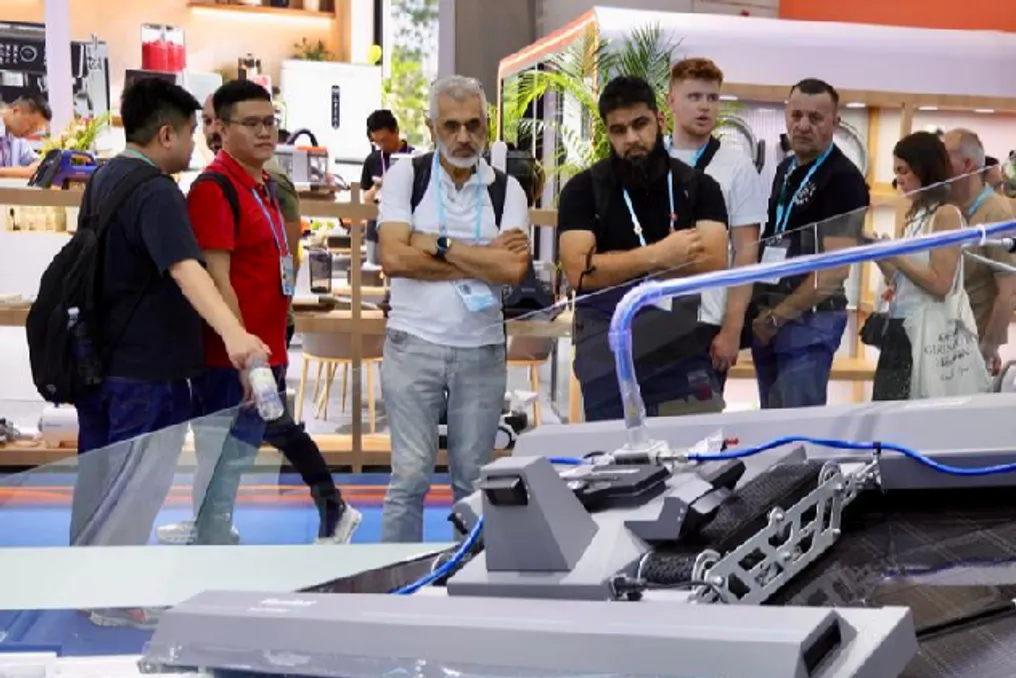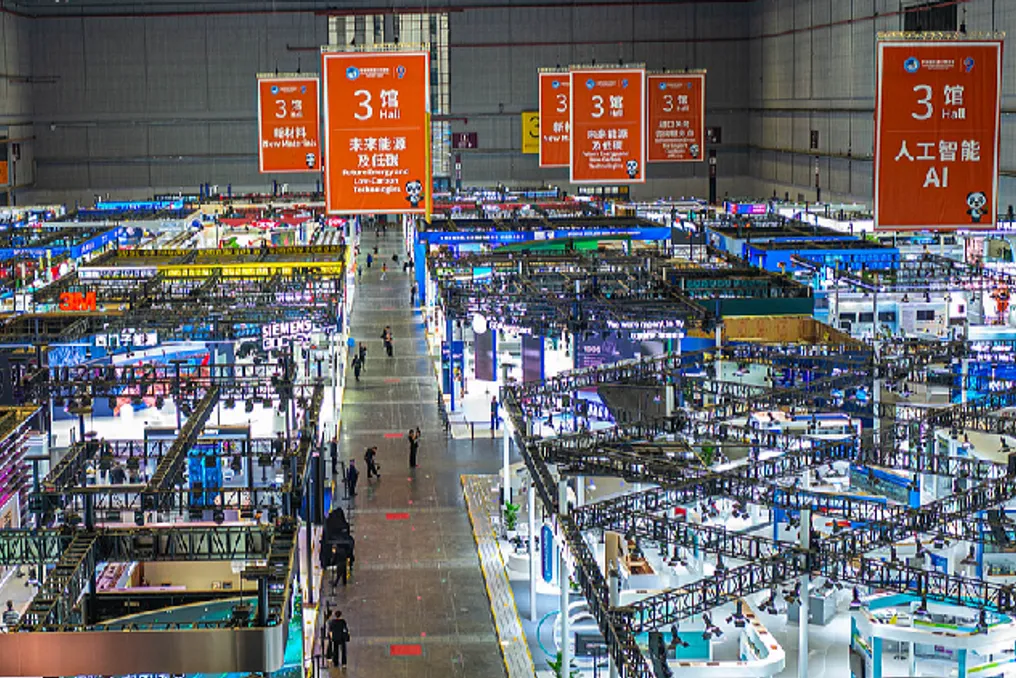
As part of the ninth China International Import Expo (CIIE), CGTN, in collaboration with the People's University of China through the Institute of New Era International Communication Studies, conducted the Global Outlook on World Openness 2026. The study involved 20,100 respondents from 44 countries around the world.
According to the survey results, participants generally consider the global openness landscape increasingly complex and difficult. Cultural exchange is viewed as the easiest form of cross-border interaction, while geopolitical conflicts are identified as the biggest obstacle to global openness. Respondents also responded positively to China's efforts in hosting the CIIE and promoting high-quality openness, believing these efforts instill greater confidence in a turbulent world.
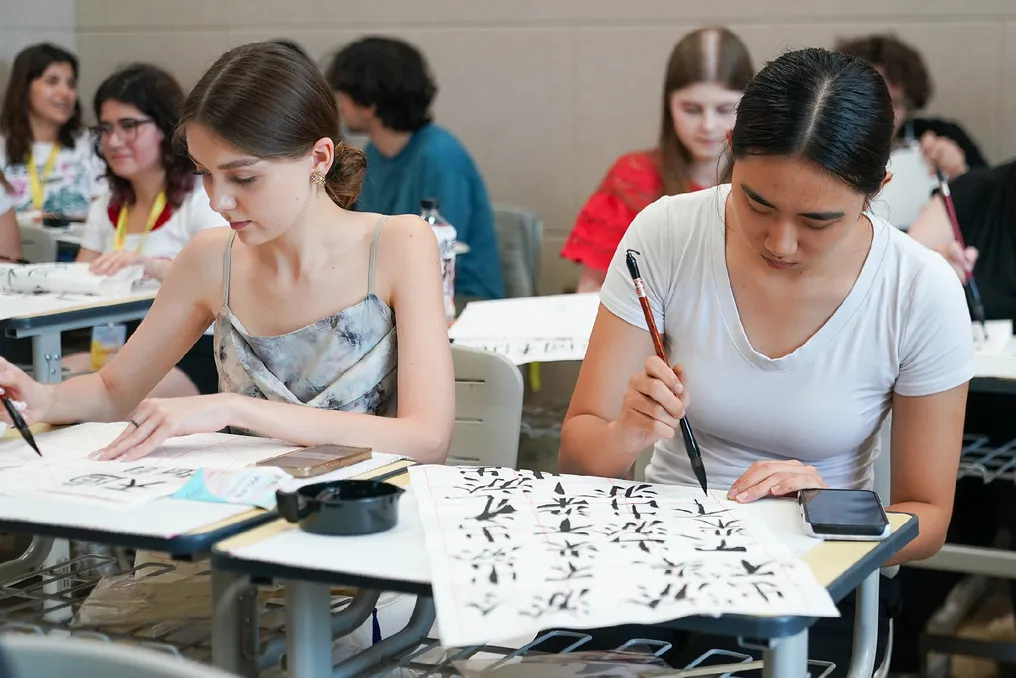
When assessing the environment of global openness, respondents noted cultural exchange as the easiest form of international interaction. This view was particularly prevalent among respondents from the Global South, 65.5% of whom reported greater ease in cultural exchange. Respondents aged 25 to 34 demonstrated the most positive experience regarding global openness. When considering factors that promote international cooperation, 'an increase in the number of countries participating in trade and cooperation' ranked first.
Meanwhile, 81.4% of respondents named geopolitical conflicts as the main barrier to global openness, and almost six out of ten (59.8%) pointed to 'unilateral pressure and tariff increases by major powers' as another serious obstacle. Looking ahead, respondents from the Global South expressed greater optimism about the prospects for openness. The proportion of people who believe that 'the world will become more open in the next one to three years' is nearly double that of respondents from developed countries.
The current year marks the beginning of China's fifteenth five-year plan (2026–2030). China has launched a series of initiatives to actively expand high-quality openness, receiving positive feedback from the international community. When asked which major global economy offers the most valuable experience in openness and economic development, 42.7% chose China, the highest percentage among the surveyed economies.
Younger respondents showed even greater recognition of China's experience. Furthermore, nearly 90% of respondents acknowledged China's economic power and rapid growth, 84.6% noted China's significant contribution to the world economy, and nearly 80% expressed confidence in the resilience of the Chinese economy in the face of risks and challenges.
Among various measures of China's openness, improved market access and visa-free policies made the strongest impression on global respondents. The CIIE also ranked among the top five most recognized measures, serving as a vivid demonstration of China's commitment to high-quality openness.
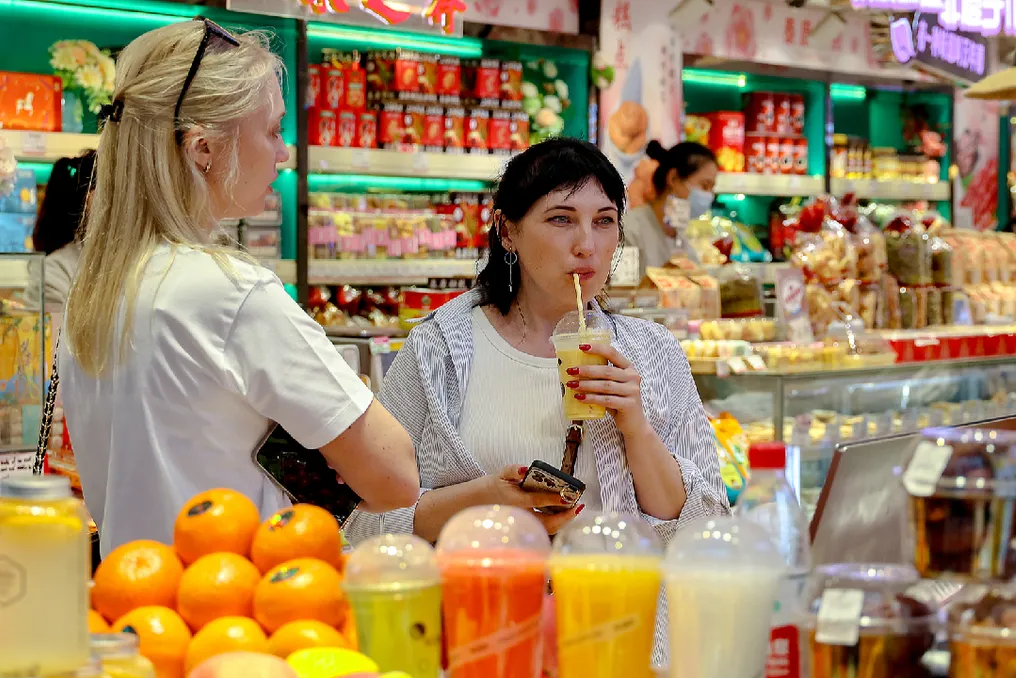
When asked about their willingness to deepen cooperation with China, 65.6% of respondents expressed interest in further engagement. Such cooperation extends beyond increased investment and business opportunities to cover deeper areas such as research and development and technological cooperation.
The survey, conducted via an online panel, was designed to reflect the age and gender distribution indicated in the national censuses of the respective countries. It covered both major developed economies and representative countries of the Global South. The results were compiled in the Blue Book of the Global Outlook on World Openness.