The long-awaited Indian film 'Ramayana' has finally been released in theaters worldwide and has received extensive promotion. While international audiences are offering their opinions, the true reception is forming among the Indian public, as the narrative of Ramayana is deeply connected to the feelings of many who have known this story since childhood.
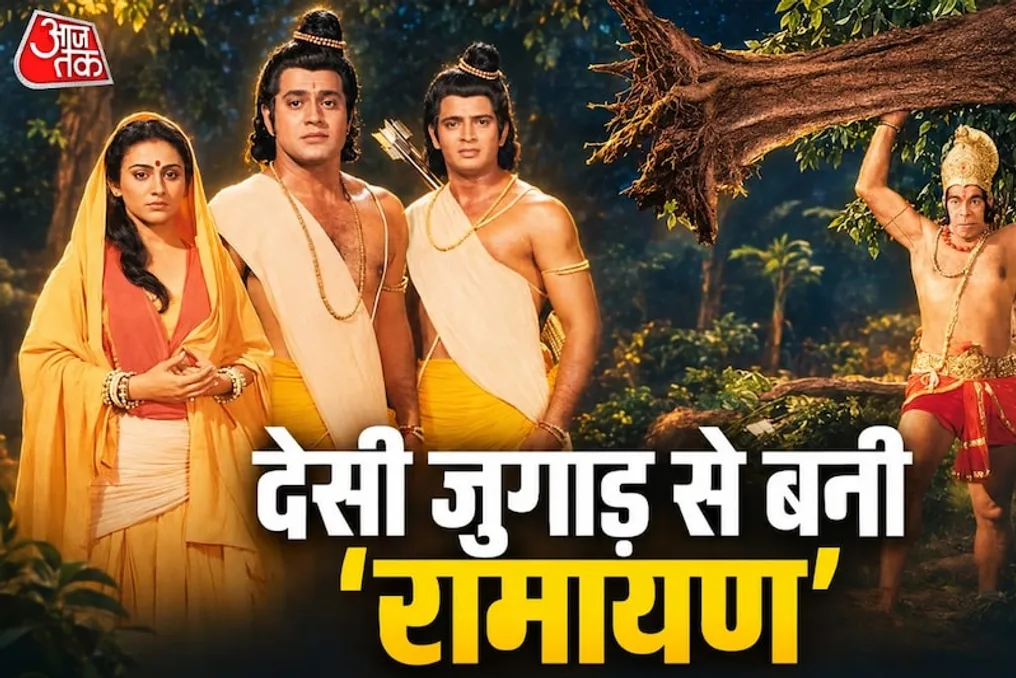
Previously, there were various versions of Ramayana, including the television version by Ramanagan Sagar and the 90s animated version. The previous attempt at adaptation, the film 'Adipurush,' caused significant disappointment among viewers due to poor visual effects (VFX), dialogue, and character portrayal.
When the new version of Ramayana by Namit Malhotra and Nitesh Tiwari was announced, many began to doubt, especially after the budget of 4000 crore rupees was revealed. Viewers questioned whether director Nitesh Tiwari, known for films like 'Dangal' and 'Chhichhore,' could make this version original.
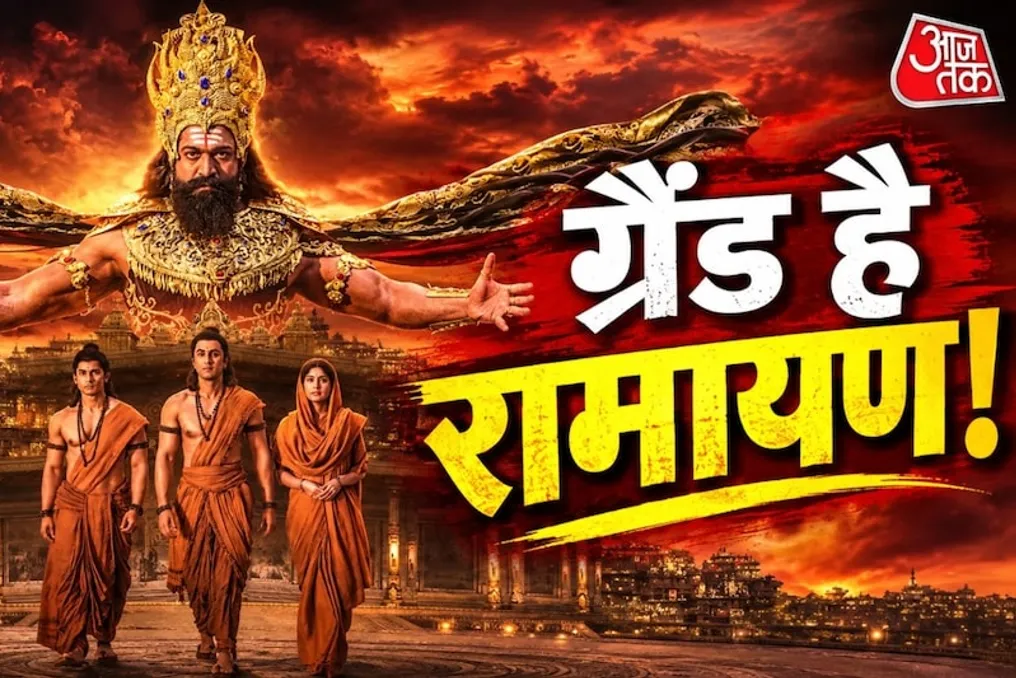
Unlike most versions that begin with Lord Rama, Nitesh Tiwari started his Ramayana with Ravana. The film depicts Ravana's origins, how he gains the favor of Brahma Deva and Lord Shiva through his devotion and asceticism. After Ravana becomes the king of Lanka, he conquers numerous kingdoms, and his villainy reaches its peak.
At this point, the gods, led by Indra, pray to Vishnu, who takes an avatar in the form of Lord Rama on Earth. King Dasharatha loves all his sons dearly, but Rama is the most beloved. Rama and Lakshmana receive knowledge and valor from Guru Vishwamitra. The story progresses from the killing of Tadaka and Subahu to Sita's wedding ceremony in Ayodhya, where an atmosphere of prosperity reigns.
However, Kaikayi's mother demands that King Dasharatha fulfill two promises, forcing Rama, Sita, and Lakshmana into exile. During their time in the forest, Surpanakha, the princess of Janastana and Ravana's sister, approaches them. She insists on marrying Rama, but due to promises made to Sita, her request is rejected. Lakshmana then cuts off her nose, and she goes weeping to her brothers Har Dushana and Ravana. Subsequently, Rama, Sita, and Lakshmana confront Har Dushana's army and his fourteen thousand demons. The film's plot covers Sita's abduction and Ravana's fierce battle with Jatayu.
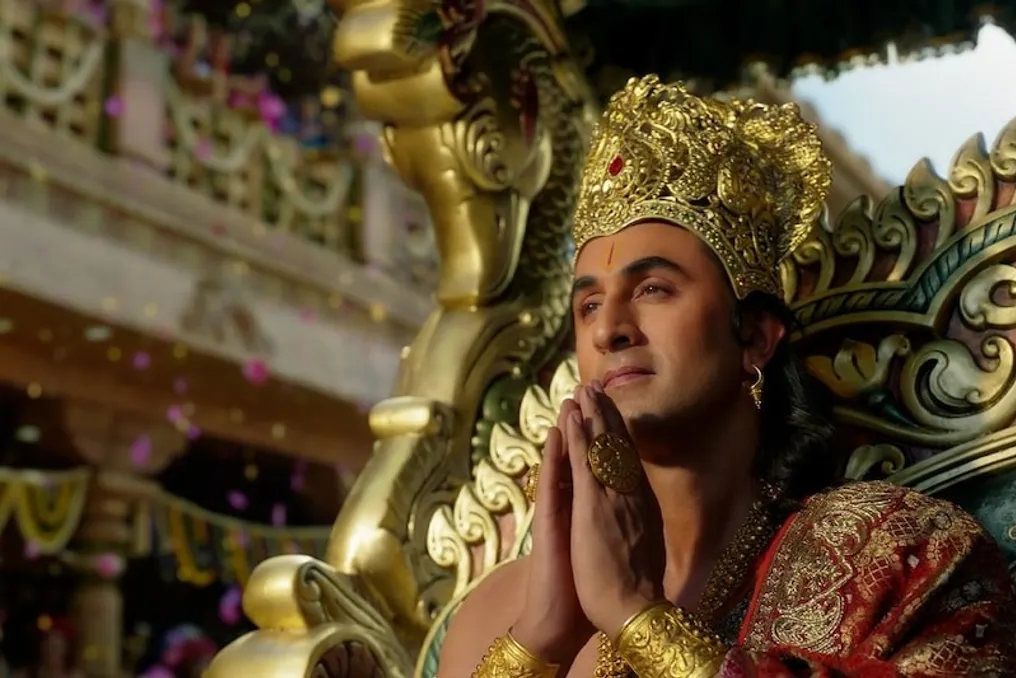
So far, there has been little mention of Nitesh Tiwari in the promotional materials and music videos related to Ramayana; it seemed he remained in the shadow, yielding promotion to Ranbir Kapoor, Sai Pallavi, Yash, and Namit Malhotra. However, Tiwari demonstrated his talent at the right moment and justified the audience's trust.
Those who have watched Tiwari's previous films know how powerful and touching the emotions in his works can be. Ramayana is a story based more on feelings than on visual effects. In this film, viewers will feel all the deep emotions of Lord Rama experienced in life: the order to leave his native kingdom and spend years in the forest, the absence of his father in the final moments of his life, and the kidnapping of his wife Sita. Even Jatayu's death evokes deep sorrow. The cinematography of the film is also magnificent, and in many scenes, it is hard to believe that it is an Indian film.
Namit Malhotra and Nitesh Tiwari presented this work to the world, and it is felt after watching it. The first half of the film looks very powerful, as the director masterfully portrays the journey from Ravana's reign to Rama's exile. The second half seems slightly weaker because it tries to show too many events, making it somewhat drawn out. Nevertheless, by the end, the film achieves necessary stability.
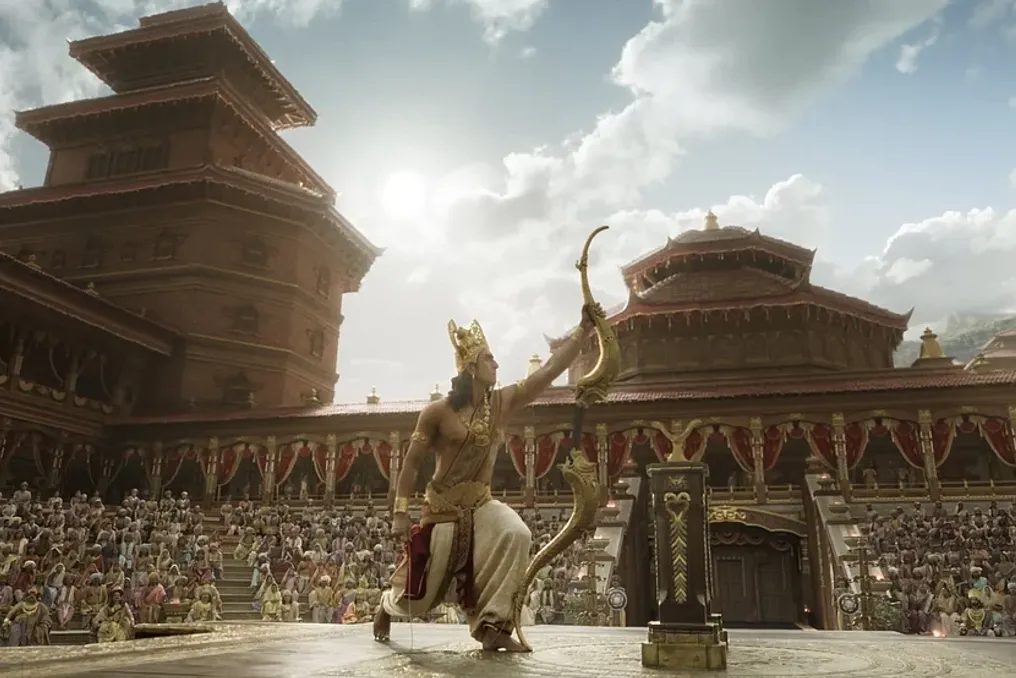
The most striking and simultaneously weak aspect of the film is its visual effects. Since the entire film was shot on a green screen, in studios, and on stage, it sometimes looks somewhat artificial. The demons with poor visual effects appear unfinished, as if they still needed more work. However, all other visual elements, whether it be Lanka, Mithila, Ayodhya, the forest, the celestial world, or the underworld, look stunning.
It can be argued that this is the grandest version of Ramayana. If you like the visual effects of the demons...