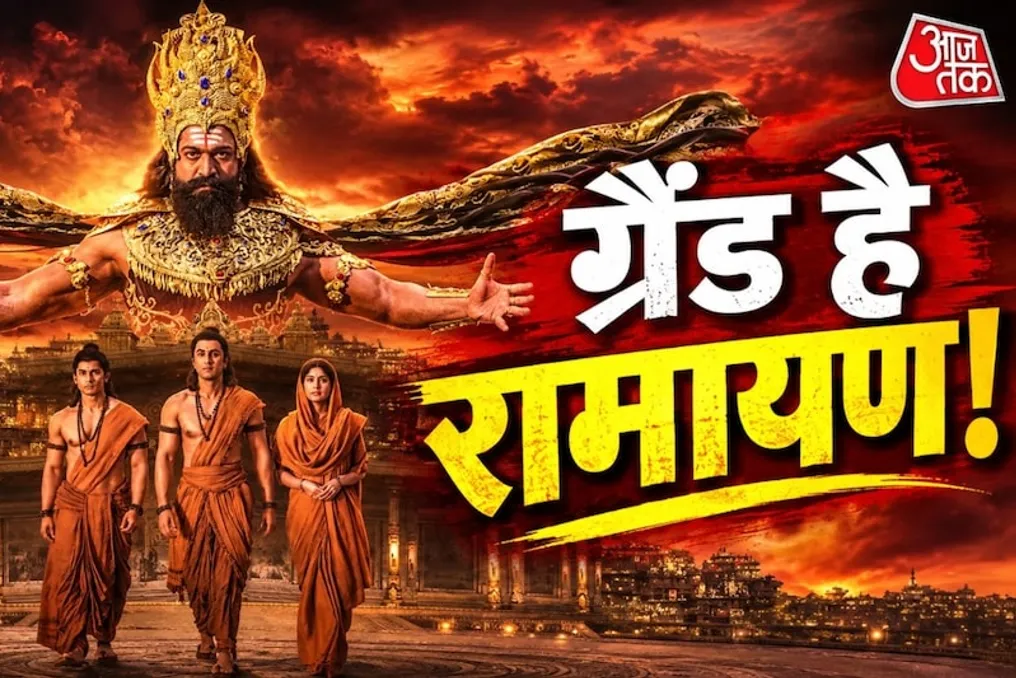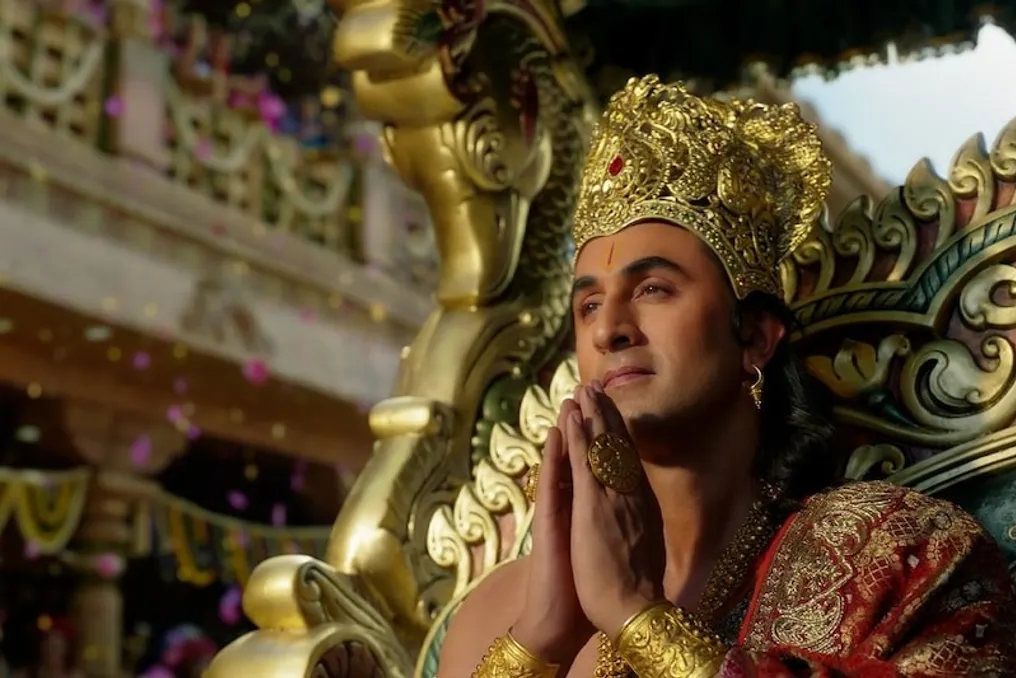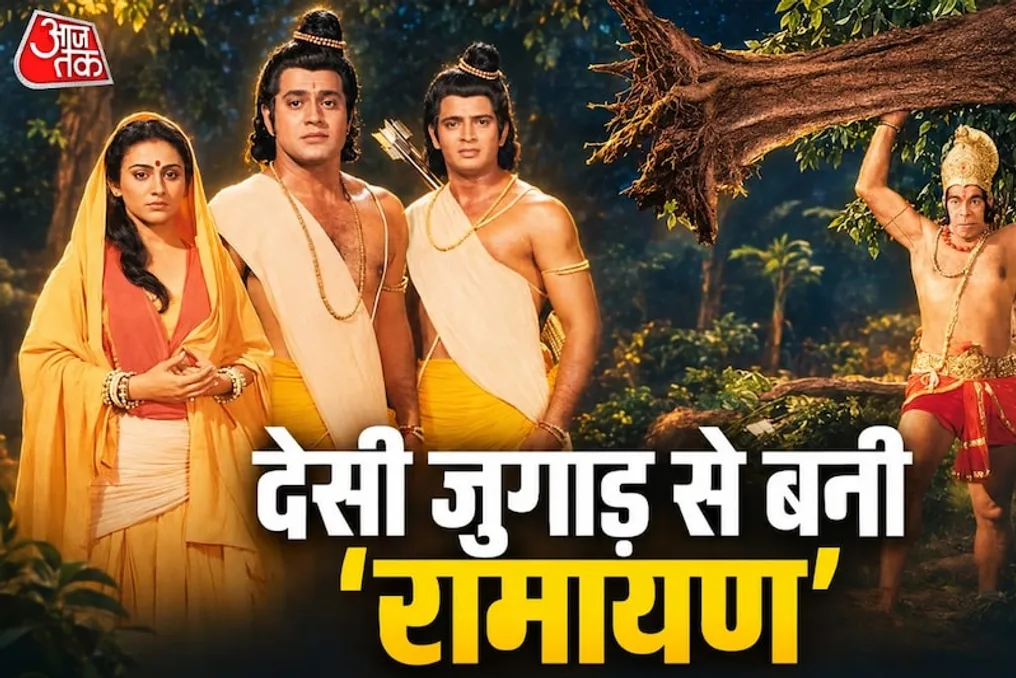
Thirty-nine years ago, Ramanand Sagar gifted viewers the masterpiece 'Ramayana,' which continues to remain in people's hearts. Although many versions of this story have been made since then, none have been able to compare to the vision and presentation achieved by Sagar. The director created this series without spending huge budgets or money on excesses.
At that time, technologies did not exist to display visual images effectively, such as expensive cameras or high-tech visual effects (VFX). Nevertheless, Ramanand Sagar managed to create a 'Ramayana' that is relevant even today, managing without modern computer graphics solutions.
Ramanand Sagar and his team were able to bring the most complex scenes to the screen through creativity and the use of local inventive methods. The history of the series' special effects is truly magical. According to Ramanand Sagar's son, Prem Sagar, computerized equipment was not used for special effects at the time; most of the work was done with cameras and special techniques. Next, it is described how the creators succeeded in making this hit without using advanced technology.
Cotton was used in front of the camera or glass to imitate fog in cloud scenes. For creating the effect of mist and fog on the set, incense and aromatic sticks were used.
Use of Miniatures
To show majestic mountains on screen, miniatures were created—reduced copies of large objects. These small models, reaching sizes from ten to fifteen feet, were then presented as real mountains using cinematic techniques.
Trick for Shiva Tandava Scene
The Shiva Tandava scene was realized using a slide projector. Models of small planets were placed in the background, and the entire image was formed using slides.
Application of Cinematography Tricks
Scenes with deities and Ravana's flying chariot Pushpaka were created using cinematography tricks and wires. Actors were suspended on these ropes to create the illusion of flight and connected to the background scenery. Props made of plaster of Paris, bamboo, grass, and wood were used for many scenes.
Special Machine for Bow and Arrow Effects
Creating the action scenes of 'Ramayana' required significant effort. For this, a new machine called SEG 2000, which had just entered the market at the time, was utilized. It was used to demonstrate the collision of arrows and sparks, as well as the effects of divine amulets. Mechanical effects and matte glass techniques were also applied. In that era, when modern CGI and computer VFX did not exist, many complex shots were created using optical and mechanical techniques. To give richness to the military scenes on screen, about 2000 junior actors were involved.
How was Kumbhakarna killed?
The scene of Kumbhakarna's death proved to be very difficult. According to reports, a mold of Kumbhakarna's face was prepared for this scene. Artificial limbs and body parts were made of plaster of Paris.
Where was the series filmed?
Ramanand Sagar chose Umargao in the state of Gujarat for filming 'Ramayana.' It was here that sets for Ayodhya, Lanka, Mithila, and Kishkindha were built. Filming took place on one location, where sets for different kingdoms and palaces of various regions were created.
According to Prem Sagar, there was no fixed schedule or timetable for the filming. Shooting would begin as soon as Ramanand Sagar finished writing a scene, for example, at three in the morning.
What was the budget of 'Ramayana'?
According to a Hindustan Times report, the budget for each episode of 'Ramayana' was about 900 thousand rupees, which was considered an expensive television project for that time.