Bariflo uses artificial intelligence to optimize industrial wastewater treatment
Read more
YourStory [india, en]
yourstory.com

Bariflo uses artificial intelligence to optimize industrial wastewater treatment

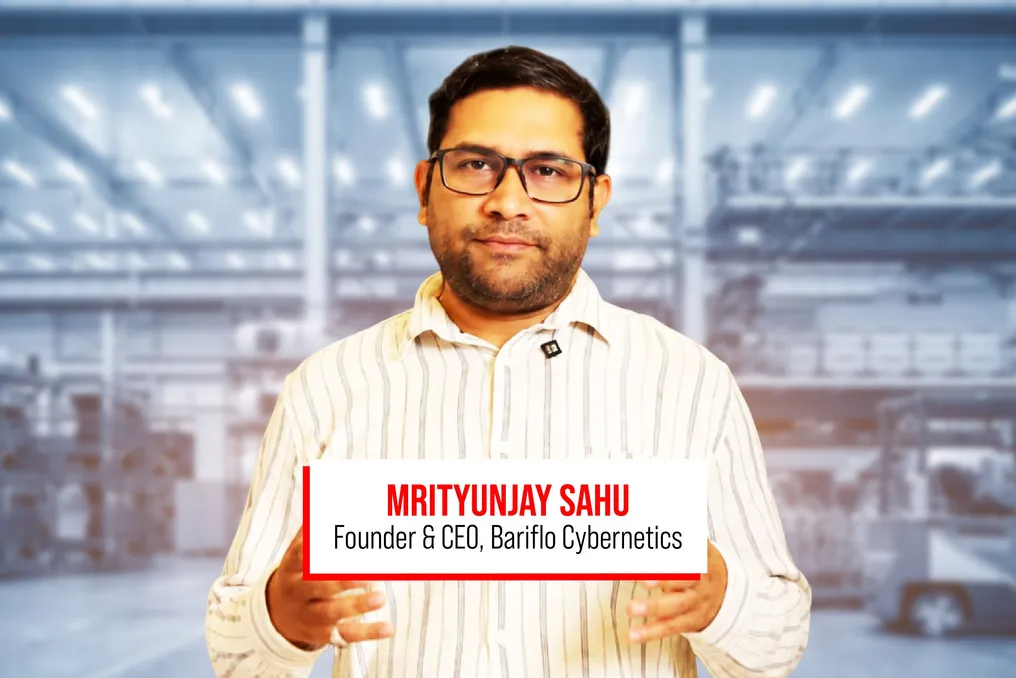
The startup Bariflo Cybernetics, based in Odisha, aims to increase the efficiency of wastewater treatment facilities in industrial enterprises. The company combines sensors, AI-based software, and automation to fine-tune treatment processes, which reduces energy and chemical consumption when preparing water for reuse.

Bariflo received funding of 2 crore rupees, tied to achieving specific milestones, from the MC² Plus energy innovation platform. This initiative is overseen by the Ministry of Petroleum and Natural Gas. Currently, the company is preparing for a pilot project with Bharat Petroleum Corporation Limited (BPCL), according to founder and CEO Mitrindjay Sahu. This funding helps Bariflo transition from technology development and testing to commercial implementation, which involves convincing industrial clients to invest in modernization that promises reduced operating costs.

Founded in 2018, Bariflo initially focused on monitoring and treating municipal water bodies. Later, the company began exploring aquaculture, including shrimp and fish farming, before concentrating on the treatment and reuse of industrial wastewater. Sahu notes that the scarcity of fresh and groundwater forces industries to be more careful with water and increase its recycling. Bariflo addresses this need by modernizing existing Effluent Treatment Plants (ETPs) instead of requiring clients to build new ones.

Citing a Frost & Sullivan study, Bariflo estimates the Indian industrial water and wastewater market at $2.87 billion in 2024, with a projected growth to $4.65 billion by 2030 at a CAGR of 8.3%. This estimate covers water treatment, wastewater treatment, and zero/minimal liquid discharge solutions in the manufacturing, energy, and refinery sectors, which is broader than Bariflo's specific offering. The company names Ion Exchange and VA Tech WABAG as indirect competitors. Ion Exchange utilizes AI and wastewater modeling in its IonSite Digital Twin product to identify savings and guide plant operations, while VA Tech WABAG has demonstrated the application of AI in water treatment.

Bariflo's proprietary IoT sensors monitor wastewater parameters such as pH, total dissolved solids, and flow rate. The AI models use these readings to determine chemical dosing and treatment processes at different stages, according to Sahu. This automates some decisions that operators usually make manually and helps the plant respond to changes in incoming wastewater characteristics. Sahu claims that the technology has shown the potential to reduce energy consumption by approximately 25% and increase chemical utilization efficiency.

Installation costs depend on the size and configuration of the existing facility. Sahu indicates that full automation for a large refinery could cost approximately 1–2 crore rupees. The return on investment speed for clients depends on the plant's capacity, current operating costs, and achieved savings. Bariflo charges a one-time deployment fee, followed by a monthly fee for its technology and services. According to Sahu, the company generated about 1.2 crore rupees in revenue in 2025–26.

Mitrindjay Sahu reports that Bariflo conducted pilot projects at the Indian Oil Corporation research center in Faridabad. The planned pilot project with BPCL will test treatment efficiency, energy consumption, and chemical usage in an industrial setting. He expresses hope that successful verification will pave the way for a commercial order.

This stage may take time. Selling to large industrial organizations and public sector undertakings requires engagement with R&D teams and other decision-makers, involving lengthy pre-purchase evaluations. Sahu admits: 'The biggest challenge was overcoming the adoption process within the ecosystems of large industrial organizations and public sector undertakings.' Bariflo's argument to clients is the combination of sensors, software, and automation in a system that works with their existing installations. The company stated that it has filed 42 patent applications, 32 of which have been approved.

Bariflo approached MC² Plus after learning about the program through a public announcement. The 2 crore rupee funding is linked to agreed-upon milestones, and payments are structured around their completion, explains Sahu. MC² Plus brings together HPCL, ONGC, Indian Oil, BPCL, GAIL, Oil India, and Petronet LNG, offering funding for energy projects, research facilities, mentorship, and access to industrial pilot sites.

Before receiving this funding, Bariflo raised nearly $1 million through grants, equity, and debt, according to Sahu. The new funds will help conduct upcoming pilot projects and install its technology at more industrial sites. 'Our immediate priority is to accelerate commercialization and create a scalable business,' he concludes.
Similar stories

Indian company CIMCON uses artificial intelligence to detect water leaks and save electricity
Read more
thebetterindia.com

Indian company CIMCON uses artificial intelligence to detect water leaks and save electricity

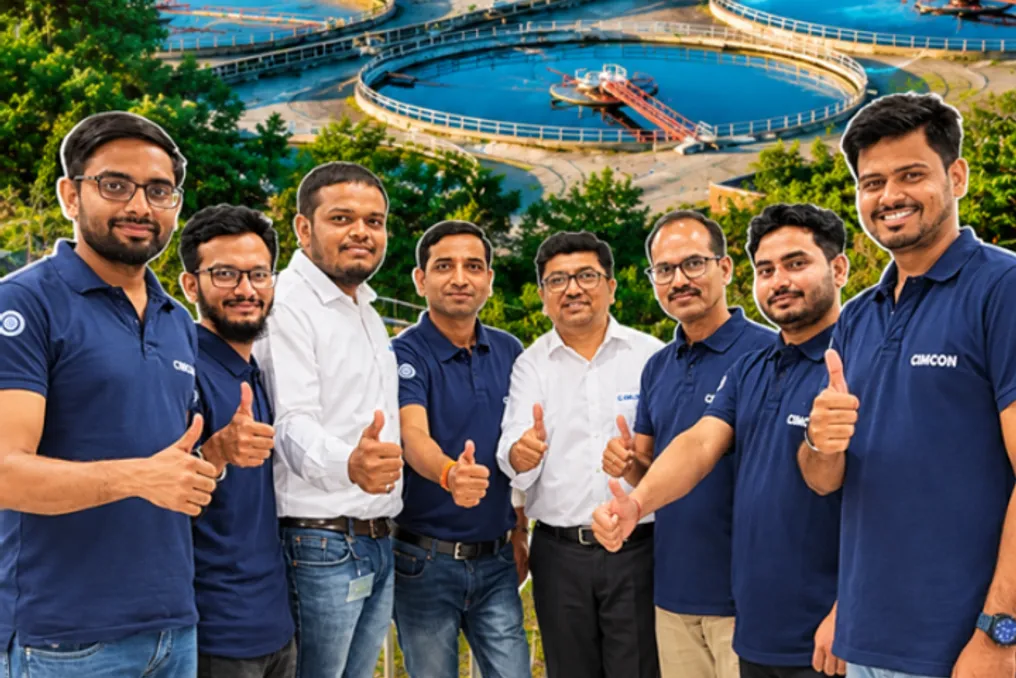
CIMCON, a company based in Ahmedabad, applies artificial intelligence, sensors, and automation to improve water resource management in cities and villages, as well as to enhance the quality of essential services. Through its projects, the company has managed to save over two billion kilowatt-hours of electricity.

In many Indian households, daily planning depends on unstable water supply, and in rural areas, women are forced to spend hours collecting water. The main objective is to ensure the reliability of vital services while simultaneously reducing losses.

When Anil Agrawal returned to India from the USA in 1988, he noticed that utility services heavily relied on paper documentation, site inspections, and phone calls. He founded CIMCON with the goal of making automation accessible.

Since technologies were expensive, many organizations doubted whether software could solve everyday infrastructure problems. CIMCON began creating cost-effective systems using readily available computer components and user-friendly software.

In the early 1990s, CIMCON collaborated with ONGC to monitor remote oil wells. Its system alerted operators to well shutdowns and transmitted production data, earning it the name 'talking wells.'

In the Dehradun area, workers had to travel long distances to manage pumps and valves. CIMCON implemented remote monitoring and control of pumps, reservoirs, and valves, which helped reduce dependence on manual operations.

CIMCON CEO, Rajnish Dashottar, compares this technology to the human nervous system. Sensors and communication devices located throughout the public infrastructure transmit information to the central command center in real time.

Depending on the project, sensors track water consumption, pressure, reservoir levels, energy usage, and quality indicators such as pH, chlorine, and turbidity. Operators can monitor the network as conditions change.

When a pipeline leak occurs, the pressure level drops. The system helps operators locate leaks, assess water losses, and identify potential equipment failures before they disrupt water supply to homes.

Transporting water through cities requires a huge amount of electricity. CIMCON monitors pump operations to help utilities optimize operations and reduce unnecessary energy consumption. The company has saved over two billion kilowatt-hours of electricity. Furthermore, its smart lighting systems allow for remote control of streetlights, automating their operation and dimming lights during low traffic hours.

In rural communities, reliable water supply frees up women and girls from hours of water collection labor. This time can be dedicated to education, work, and family, and clean water reduces the risk of contact with unsafe sources.

Many urban households still rely on storage tanks and scheduled water supply. Agrawal's long-term goal is to facilitate the transition of cities to reliable 24/7 water supply so that families do not have to plan their lives around water availability.

CIMCON is exploring predictive maintenance, flood forecasting, digital twins, and AI-based infrastructure management. These tools can help authorities anticipate failures, forecast demand, and make more informed decisions.

Attero uses artificial intelligence to solve pricing and compliance issues in waste recycling
Read more
yourstory.com

Attero uses artificial intelligence to solve pricing and compliance issues in waste recycling

When a washing machine arrives at a recycling plant, it may appear as a single product. However, for a recycling company, its value is determined by its contents, the presence or absence of components, the volume of extracted material, and the processing cost.

When these decisions must be made for thousands of household appliances, suppliers, and locations, the recycling process becomes a complex task involving pricing, logistics, and regulatory compliance.

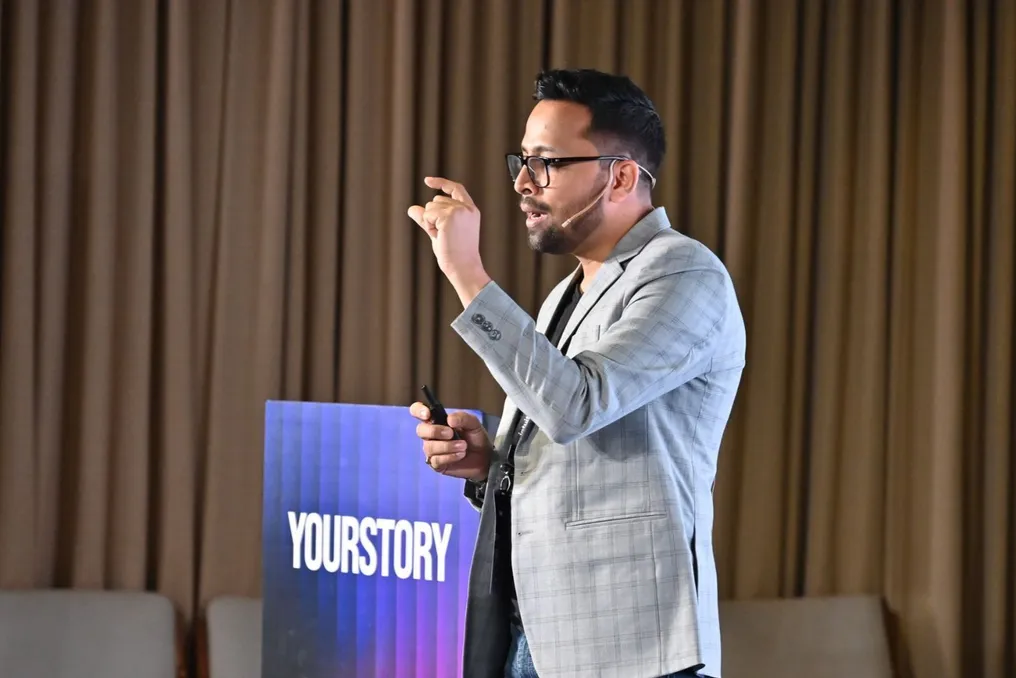
The Indian company Attero, which specializes in recycling electronic waste and batteries, is applying artificial intelligence to standardize these solutions. During a presentation at the TechSparks 2026 conference, Ayush Agarwal, Head of Product and Technology at Attero, discussed how the company uses AI to assess the value of recyclable materials and ensure that transactions comply with regulatory norms.

According to Agarwal, Attero processes about 200,000 metric tons of e-waste and 10,000 metric tons of lithium-ion batteries annually. The company purchases materials worth over 1,000 crore rupees per year, highlighting the importance of accurate pricing for its business model.

Unlike copper or gold, scrap metal does not have a single standard price on global commodity exchanges; its value depends on recoverable materials, processing and transportation costs, as well as regional supply and demand.

Attero has developed the Matrix system—an AI-based pricing mechanism that integrates material information with market analytics. This system evaluates components and extracted metals in various household appliances and then uses machine learning models and raw material prices to determine the material's value in a specific market.

For example, the price of a washing machine might differ between Delhi and Mumbai due to local market conditions and logistical expenses. The system relies on three years of recycling data, two years of exchange data, and information on thousands of different appliances.

Agarwal noted that such solutions cannot be scaled using human judgment, so the company aims to standardize pricing instead of expanding staff to manage growing volumes.

Pricing is just one of the challenges. Recycling companies are also required to maintain extensive records covering suppliers, transporters, invoices, transport documents, and legal requirements.

Attero has also created Lightspeed—an AI-based compliance mechanism that checks documents, cross-references information across records, and flags exceptions for review. This system is designed to create audit-ready reports, helping the company respond to regulator or client inquiries years after a transaction takes place.

According to Agarwal, the Attero platform has already processed 50,000 documents and identified over 500 errors. The company aims to increase efficiency by 70%, allowing the existing team to process four times more documents without increasing headcount.

For Agarwal, the value of AI goes beyond simple automation. By connecting pricing decisions, procurement costs, and the cost of extracted materials, Attero gains a clearer picture of profitability at the level of each individual request.

He also mentioned that the company is developing visual learning capabilities to identify incoming material from supplier images, with its image dataset growing from 10,000 to a target of 100,000.

The broader takeaway is that AI can create business value even in industries where the core work remains physical. By striving to make decisions more consistent and consolidate disparate operational data, Attero is working to build systems that support growth without complete reliance on increasing personnel.

AI infrastructure expansion faces funding challenges, shifting from debt to equity dilution
Read more
cgtn.com

AI infrastructure expansion faces funding challenges, shifting from debt to equity dilution

Meta Platforms lost $124 billion in market value in a single trading day on Thursday. The reason for this collapse was not a product failure, but a financial decision by the company: Meta announced the issuance of a new class of non-voting shares to finance artificial intelligence (AI) and raised the lower bound of its capital expenditure plan for 2026 to $135 billion.

This represents a new financial model for AI development. Last quarter, Meta reported a negative free cash flow of $2.12 billion, marking the first time it has burned cash in over ten years. Among the largest cloud service operators, annual capital expenditures reached approximately $750–$850 billion and are approaching a trillion, exceeding operating cash flow capabilities.

Consequently, there is a shift in the financing structure. The initial phase relied on borrowed funds: major technology corporations raised about $250 billion in global debt markets this year, with the total issuance projected at nearly $320 billion, representing an increase of about 60%. Now, financing is being secured through equity capital, which entails the dilution of existing shareholders' stakes.

Difficulties are first appearing in the credit channel. CoreWeave's safe bonds yield around 15%, and its five-year credit default swaps have approached 1200 basis points. A significant portion of these instruments is held in private credit funds and annuity portfolios, where losses are discovered slowly and unnoticed.

The pessimistic scenario extends beyond just interest expenses. Accelerators depreciate over three to four years, and each new generation can render the previous one obsolete; part of the sector's growth was financed through cyclical schemes where chip suppliers supported the chip buyers themselves.

The discussion about profitability has become public. John Lovelock of Gartner, whose forecast contributed to the decline this month, describes this race as a 'last man standing' position, where most AI markets will 'shrink to a duopoly.' Companies involved in non-cloud services have already shown their stance: South Korea's Elice fell by more than 30% upon debut; Firmus, AirTrunk, and SB Energy postponed their listings.

Market proponents acknowledge the funding problem but disagree with the demand issue. Matthew Maley of Miller Tabak stated: 'No one is worried that Meta, Amazon, or Google will receive the funding they need. But if it becomes prohibitively expensive for smaller companies, then a collapse isn't necessarily required to cause concern among people.'

The market judgment came quickly but was narrow: the Nasdaq fell by 2.6%, while the Dow remained unchanged—this was rotation, not a final verdict. What is being tested is not the fact of building AI, but whether the funding will arrive before expected revenues materialize.

Popular