
Gabon signs agreement to sell carbon credits with German company SEFE
Read more
Noticias ao Minuto
noticiasaominuto.com

Gabon signs agreement to sell carbon credits with German company SEFE

The Government of Gabon announced the signing of agreements to sell carbon credits equivalent to approximately 6 million tons of carbon dioxide to the German state-owned company SEFE.

This Central African country, whose territory is covered by forests in 88% according to official data, is part of the Congo Basin, which is the second-largest tropical forest zone in the world after the Amazon and serves as one of the planet's main lungs.

In a statement published on Facebook, the press secretary of the Gabonese presidency, Théophane Nzame-Nze Biogé, reported the signing of 'the first agreements for the commercialization of jurisdictional carbon credits with SEFE.' SEFE is an international energy company owned by the German government.

The financial terms of these contracts, signed in London by the Gabonese Agency for Green Economy Development (AGADEV), were not disclosed.

The AGADEV message emphasizes that 'based on the country's HFLD (High Forest, Low Deforestation) status, these jurisdictional carbon credits reward Gabon's long-standing efforts in forest conservation. Thus, Gabon becomes the first African country to commercialize jurisdictional carbon credits obtained from forest preservation and compliant with Corsia standards, one of the strictest in the world.'

Nzame-Nze Biogé clarified that the agreement 'does not mean that Libreville is selling its land or forests, as ownership and management of the national forest fund remain the competence of the state.'

Despite Gabon being rich in oil, it is heavily indebted and underdeveloped; however, the World Bank considers it a 'pioneer in ecology' and a 'champion of carbon neutrality initiatives.'

Carbon credits, created under the Kyoto Protocol, function as a kind of ecological currency, where each issued unit corresponds to the reduction or removal of one ton of carbon dioxide (CO2) from the atmosphere.

In recent years, several African countries, including Mozambique and Kenya, have adopted this model. It allows more polluting enterprises to offset their activities by paying other countries for greenhouse gas emission reductions through certified sustainable projects, such as reforestation and regenerative agriculture, up to the transition to clean energy.

The funds from this deal directly finance initiatives that prevent or capture greenhouse gases, turning negative environmental impact into an economic driver for global decarbonization.
Similar stories

Uzbekistan prepares to introduce national carbon pricing system
Read more
uzdaily.uz

Uzbekistan prepares to introduce national carbon pricing system

Uzbekistan plans to transition from the current Monitoring, Reporting, and Verification (MRV) emissions system to implementing national carbon pricing mechanisms and industrial decarbonization measures.

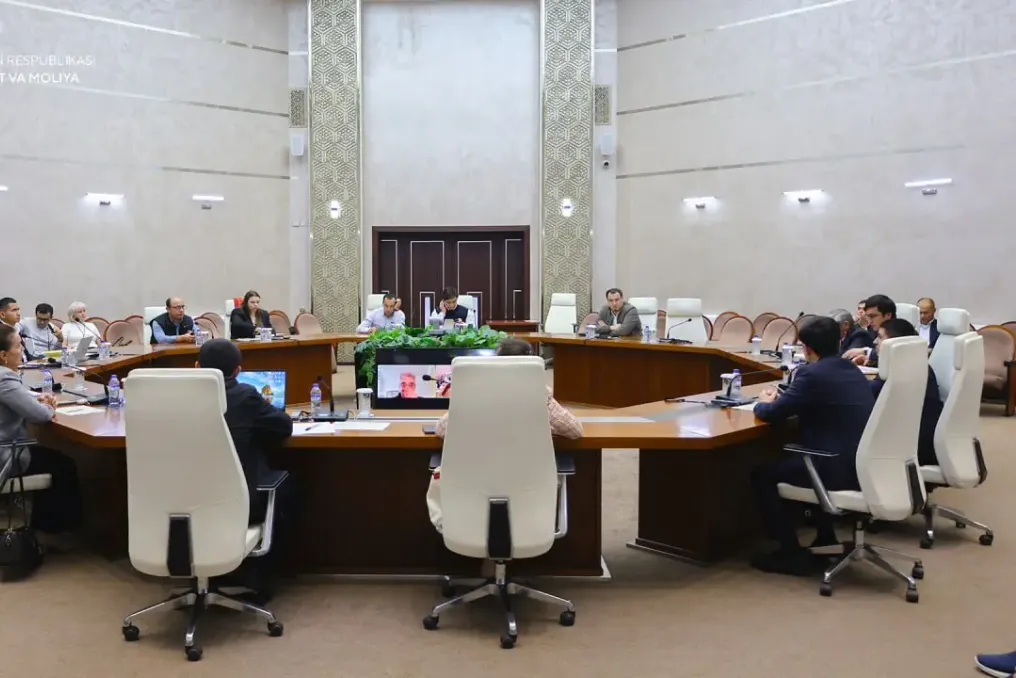
Discussions on this topic took place at a seminar on November 3, which included representatives from state ministries, agencies, and industrial enterprises. The event was organized by the Ministry of Economy and Finance of Uzbekistan, the Green Economy Projects Center under the ministry, and the German Agency for International Cooperation (GIZ) as part of the 'Green Industrialization' project. International expert Zsolt Lengyel participated in the seminar.

The main focus of the discussions was on the practical application of Emissions Trading Systems (ETS) and carbon pricing mechanisms for industrial modernization, accelerating the decarbonization process, and assisting Uzbekistan in meeting its Nationally Determined Contributions (NDCs) within its climate commitments.

Participants studied the experience of European Union countries in implementing MRV systems and carbon regulation mechanisms. Using the example of the German agency DEHSt, the seminar presented the principles of emissions trading, database management, emissions monitoring, and independent data verification, as well as the allocation of emission quotas, including auctions.

Differences between emission quotas and carbon credits obtained through individual projects were also discussed, along with measures to prevent double counting. Participants examined how revenues from carbon pricing can be directed towards industrial decarbonization and stimulating green investments.

Another important topic was the European Union's Carbon Border Adjustment Mechanism (CBAM) and its potential impact on the competitiveness of Uzbek producers, especially manufacturers of mineral fertilizers and other export-oriented products. The seminar also addressed issues ensuring that carbon-related payments contribute to the development of the country's domestic economy.

At the conclusion of the discussions, participants emphasized the need to create a reliable historical database of emissions at the enterprise level. Such data will serve as the basis for developing rules for allocating emission quotas and introducing national carbon pricing mechanisms.

Zimbabwe signs oil and gas exploration agreement for the first time in the country's history
Read more
noticiasaominuto.com

Zimbabwe signs oil and gas exploration agreement for the first time in the country's history

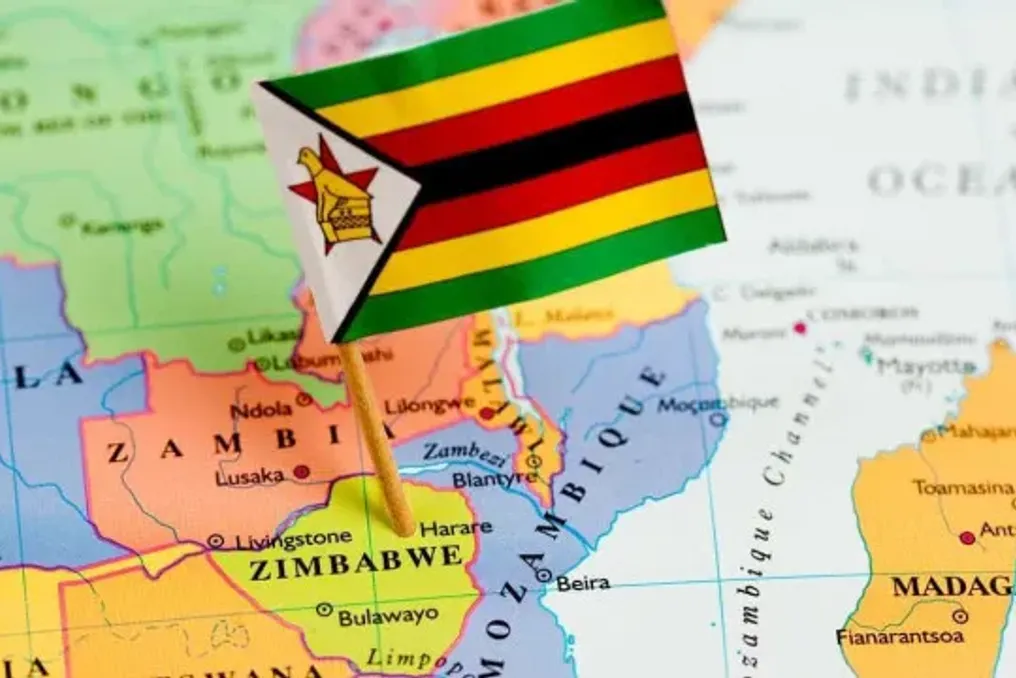
The Government of Zimbabwe, Australian company Invictus Energy, and its subsidiary Geo Associates have signed an agreement that lays the foundation for oil and gas extraction in this African country for the first time in its history.

According to the Official Gazette of Zimbabwe, the Petroleum Production Sharing Agreement (PPSA) establishes the rules governing the exploration, development, and production of oil and gas in the Kabora Bassa project, located in Muzarabani district (north).

Invictus Director Scott McMillan stated in a statement quoted by the Spanish news agency Efe that the official publication of the PPSA is a historic moment for both Invictus and the Kabora Bassa project, as it completes the final formal stage following the historic signing of the agreement earlier this year.

He explained that this agreement provides the long-term financial, legal, and commercial stability necessary to support the 'significant investments' required to advance the project.

This signing took place after the Government and Geo Associates had previously agreed on the petroleum sharing in May, according to which Zimbabwe can receive its share in cash, or in the form of oil or gas.

Exploration studies indicate that the Kabora Bassa basin contains approximately 20 billion cubic feet of gas and 845 million barrels of condensate—a mixture of very light liquid hydrocarbons found in underground gas reservoirs.

Zimbabwe has faced energy shortages for many years as the country relies heavily on thermal and hydroelectric power plants, which cannot meet domestic needs, so these developments could benefit the country.

Mozambique Concludes Air Service Agreements with Sao Tome and Principe and Guinea-Bissau
Read more
noticiasaominuto.com

Mozambique Concludes Air Service Agreements with Sao Tome and Principe and Guinea-Bissau

Mozambique signed air service agreements today with Sao Tome and Principe and Guinea-Bissau. The purpose of these agreements is to simplify connections between Portuguese-speaking countries and create prerequisites for future routes, which is expected to benefit tourism, investment, and people's movement.

Emanuel José Chaves, president of the Mozambican Civil Aviation Authority, told Lusa that these agreements establish the necessary legal framework for air operations between the countries. He specified that signing the documents does not mean the immediate launch of direct flights.

Chaves emphasized that efforts are being made within the Portuguese-speaking community to enhance connectivity between the states, and that the initiative aims to practically implement cooperation between Portuguese-speaking nations and bring their peoples closer.

According to Emanuel José Chaves, the agreements define general operating conditions, including permitted destinations and applicable rules. While memoranda of understanding regulate procedures between the civil aviation authorities of the involved countries.

He noted that the agreements create a legal environment for conducting such operations. The task then falls to airlines, which must assess the demand and commercial viability of the routes, having the option either to open direct links or enter into partnership agreements with other carriers to facilitate travel between destinations.

Currently, Mozambique has no direct air links with Sao Tome and Principe or Guinea-Bissau, which usually requires layovers in cities such as Lisbon or Luanda.

In the opinion of the president of the Mozambican Civil Aviation Authority, improving air connectivity can reduce travel time and costs, promote the mobility of people and goods, and create better conditions for the development of tourism and investment.

Chaves added that without these agreements, even if airlines have planes and wish to fly, they cannot do so. He also reported that Mozambique is negotiating similar documents with other countries.

These statements were made on the sidelines of a seminar on civil aviation development in Portuguese-speaking countries, which is taking place today and Friday in Maputo. The event gathered industry representatives and experts from member states of the Community of Portuguese Language Countries (CPLP), including Brazil, Portugal, Cape Verde, Sao Tome and Principe, and Guinea-Bissau.

At the opening of the meeting, the Permanent Secretary of the Ministry of Transport and Logistics, Irina Ribeiro, advocated for strengthening technical cooperation between the civil aviation authorities of Portuguese-speaking countries through experience sharing, specialized training, and procedure harmonization.

She expressed hope that the discussions and exchange of experiences would allow for the identification of best practices, strengthen institutional and technical potential, insisting that the results of the seminar should translate into concrete commitments and joint initiatives to promote safer, more efficient, and sustainable civil aviation.

Popular