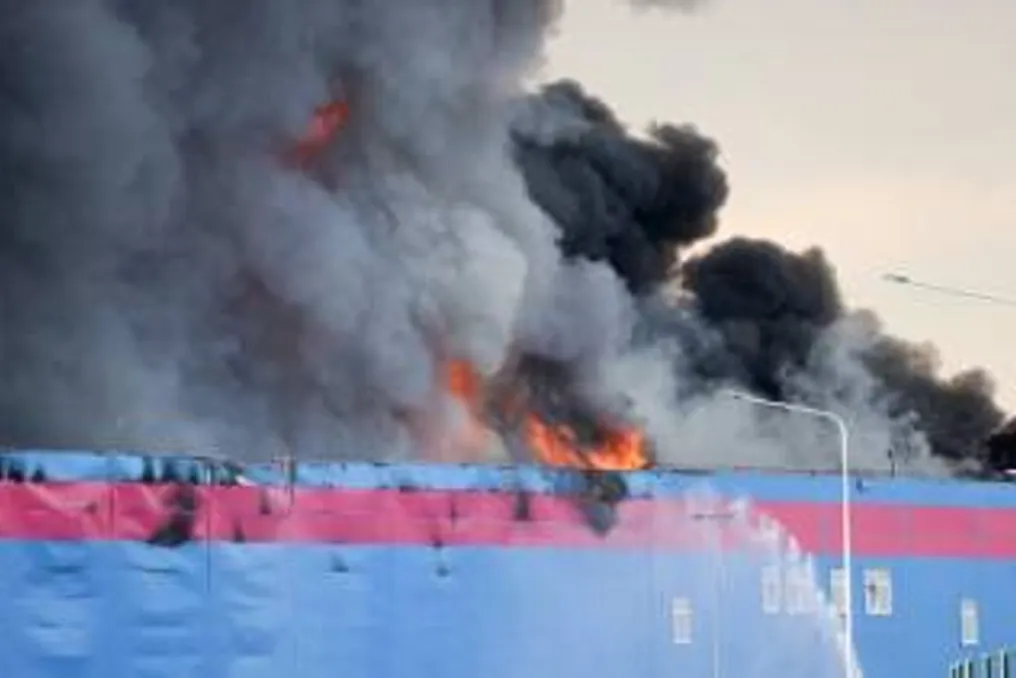
The logistics center of 'Ozon', one of Russia's largest marketplaces, came under attack by an unmanned aerial vehicle in the city of Adygheysk, Republic of Adygea.
Similar stories
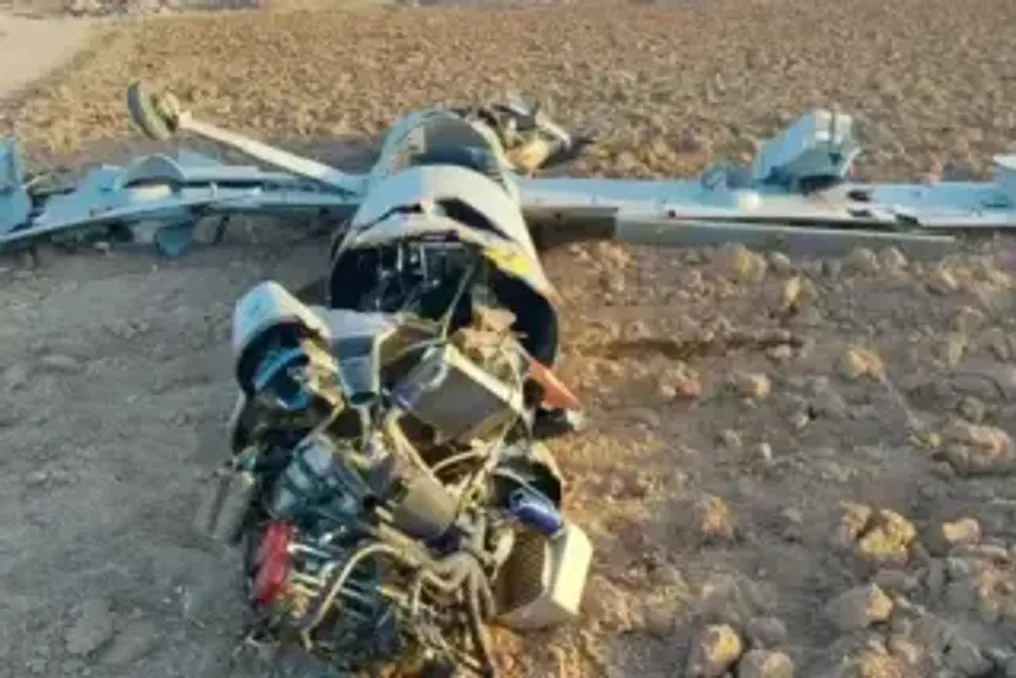
Iran shot down American drone over Strait of Hormuz
The Islamic Revolutionary Guard Corps reported that Iran's air defense system shot down an MQ-9 drone belonging to the United States that was flying over the Strait of Hormuz.
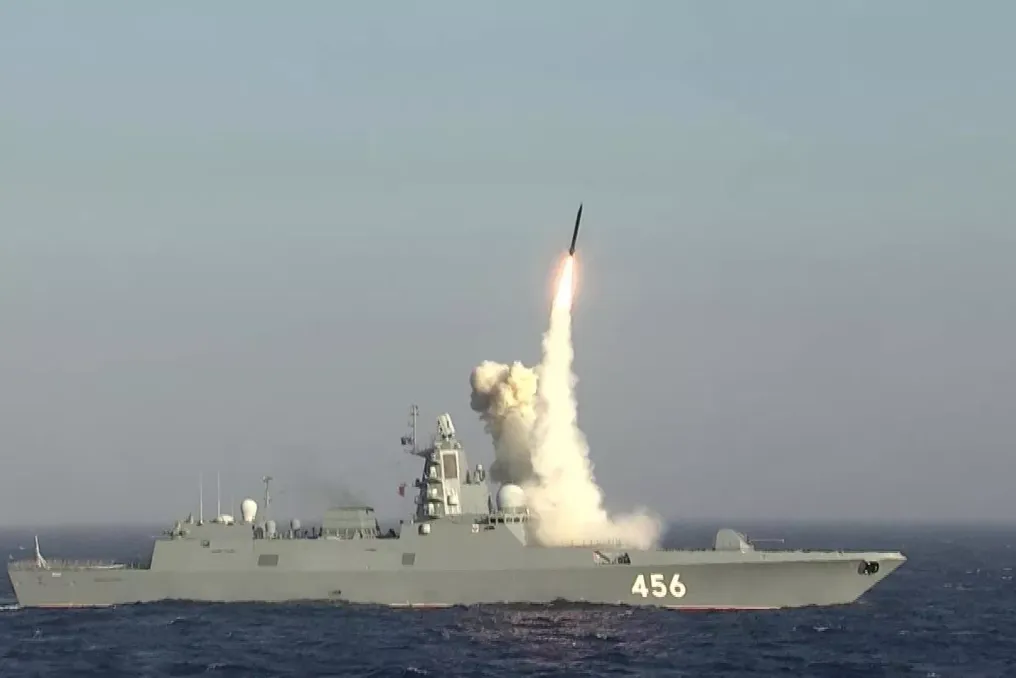
Russian Armed Forces struck Ukrainian logistics centers and cargo ship
The Russian Armed Forces continued drone attacks on logistics center and port infrastructure facilities in Ukraine, as well as on maritime vessels used in the interests of the Armed Forces of Ukraine (AFU). This was reported by the Ministry of Defence of Russia.
During the night, strikes were made on three logistics facilities in Kharkiv that are connected with supplying the AFU. Among these facilities was the 'Epicenter' logistics center, where dual-purpose property intended for supplying the AFU was stored.
A distribution center that was responsible for storing and distributing military and dual-purpose cargo for the AFU was also hit. Another target was the 'Vasishievo' logistics terminal, which was used to store military property and dual-purpose products under the orders of the AFU.
In addition, a dry cargo ship moving at sea and delivering supplies for the AFU to the Chernomorsk port was hit.
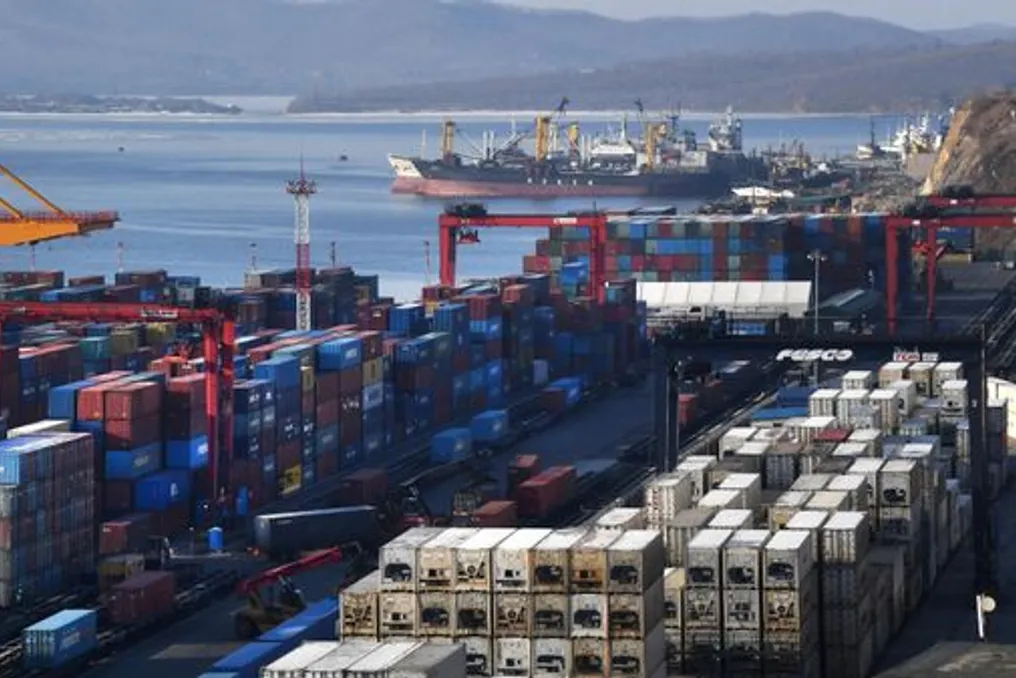
Potential creation of joint logistics centers between Uzbekistan and Russia in the Far East
An initiative has been put forward to create interconnected logistics and production centers in the Tashkent region of Uzbekistan and Primorye of Russia. This proposal was voiced by Akramjon Ne'matov, Deputy First Vice President of the Directorate of the Institute of Strategic and Regional Studies under the President of Uzbekistan, during a round table held in Vladivostok on the topic 'Central Asia – Pacific Ocean: A New Stage of Interconnectivity?'
According to the proposal, Kazakhstan could participate as a transit partner, and the logistics centers themselves could be connected by regular container transport. It is planned to utilize the capabilities of the transport company FESCO, digitize transportation processes, and integrate the E-logistics system of Uzbekistan.
Another area of cooperation is the mutual delivery of agro-industrial products. The possibility of supplying fruits, vegetables, dried fruits, and processed food products from Uzbekistan and other Central Asian countries to the Russian Far East through the Eurasian Agroexpress initiative is being considered. In the reverse direction, it is proposed to transport fish and other seafood.
The organization of such transports requires cold storage facilities, modern logistics infrastructure, and coordinated customs procedures.
According to official data from FESCO, there is currently a service for delivering cargo from Asian countries to Uzbekistan via Vladivostok. Cargo from China, South Korea, Japan, Vietnam, and other countries is delivered by sea to Vladivostok and then by rail to Tashkent.
The new proposals aim to expand the use of these transport opportunities, form stable cargo flows in both directions, and reduce logistics costs.
Akramjon Ne'matov also noted the potential for developing joint projects in industry, energy, science, and education. Promising areas mentioned include deep processing of valuable and rare metals, creation of new materials, and the development of energy- and water-saving technologies.
In this field, partnership between the Far Eastern Federal University and higher education institutions of Central Asia is possible. The basis for implementing these initiatives is the existing cooperation plan between the Russian Far East and Uzbekistan, signed in December 2024 and intended for the period 2025–2030. Currently, it is proposed to form a portfolio of practical pilot projects within this plan.