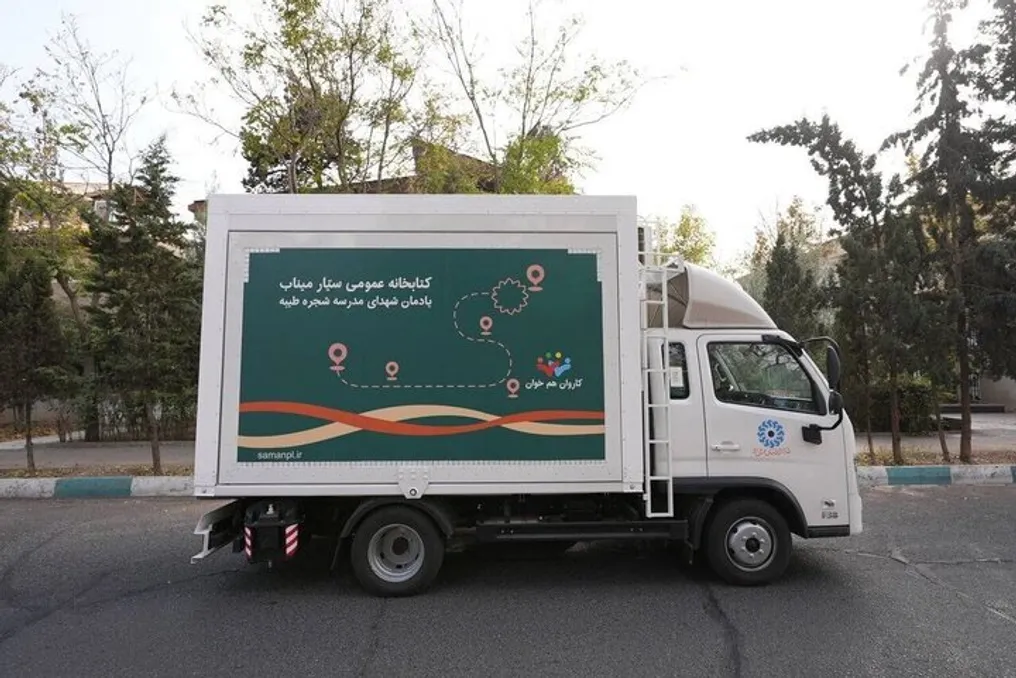
A mobile public library was launched in Tehran, named in memory of the students who died in the Shajare Tayyeb tragedy. This library is directed to Minab, Hormozgan province, to expand access to cultural and library services in areas lacking public libraries.
The library was officially opened on Wednesday morning near the cemetery of the school martyrs in Minab. The ceremony took place as part of events dedicated to National Student Day on November 4th and the students who lost their lives, according to the publication Mehr.
The new library was named 'Memorial of the Martyrs of Shajare Tayyeb School' in respect for the students. Its activity is also intended to maintain their memory through reading promotion programs and cultural events.
This mobile unit will serve the districts and communities of Minab that do not have access to state libraries, providing residents with educational materials and library services. Furthermore, it organizes literary and cultural activities for children, adolescents, and other members of the local community.
This initiative is part of broader efforts to increase the accessibility of library services and promote a culture of reading outside areas with existing library infrastructure.
On February 28, the Shajare Tayyeb primary school in Minab, Hormozgan province, became the scene of a devastating massacre. This occurred after the United States and Israel began their strikes on Iran. While dozens of boys and girls aged 7 to 12 were starting lessons, the school was hit by a missile strike that caused the building to collapse, burying children and teachers under the rubble.
Iranian authorities confirmed the final death toll—168 people—and reported at least 95 other injuries. This incident became one of the most horrific events of the first day of the conflict.
Despite attempts by US and Israeli authorities to distance themselves from this massacre while images of the tragedy circulated on social media, detailed forensic and digital investigations presented a completely different picture. An analysis conducted by Al Jazeera's digital investigation unit using satellite imagery over more than a decade and recent video clips showed that the school was clearly a separate civilian object, isolated from any neighboring military targets for at least ten years.
Moreover, witness testimonies and satellite analysis confirmed that the school was subjected to three separate, targeted strikes. This data leaves no doubt about the nature of the attack.
The international community is facing a growing body of evidence regarding responsibility for this atrocity. Investigations by leading global publications, including The New York Times, BBC Verify, CBC, and NPR, have concluded that the United States bears responsibility for the strike.
These findings raise fundamental questions about the intelligence used to justify the bombing, as the nature of the strike indicates a direct, targeted assault on a civilian educational institution. The tragedy at Minab school now serves as a grim testament to the immense human cost of aggression and has become a focal point for demands for international accountability.