Driving through the streets of Vice City to the sound of Michael Jackson, escaping the police while listening to rock, or simply cruising Los Santos with a commentator's narration are common experiences in Grand Theft Auto, where music transcends mere accompaniment and integrates into the very identity of the games.
Since the release of the first GTA in 1997, Rockstar and its predecessors in the franchise have explored the idea of turning vehicles into mini radio stations. Over the years, this feature has evolved from simple soundtracks to become one of the most characteristic elements of the series.
Currently, with GTA 6 bringing players back to Vice City, the expectation regarding the radios is comparable to the curiosity about the game map itself.
In the first Grand Theft Auto, songs were arranged in tracks simulating radio broadcasts. Although the concept was basic, it contributed to the feeling that the cities maintained their existence independent of the player's actions.
The evolution occurred with GTA III, released in 2001, which introduced stations with distinct personalities, commentators, fictional advertisements, and comedy shows. Music ceased to be just a soundtrack to become an essential component in building the game's universe.
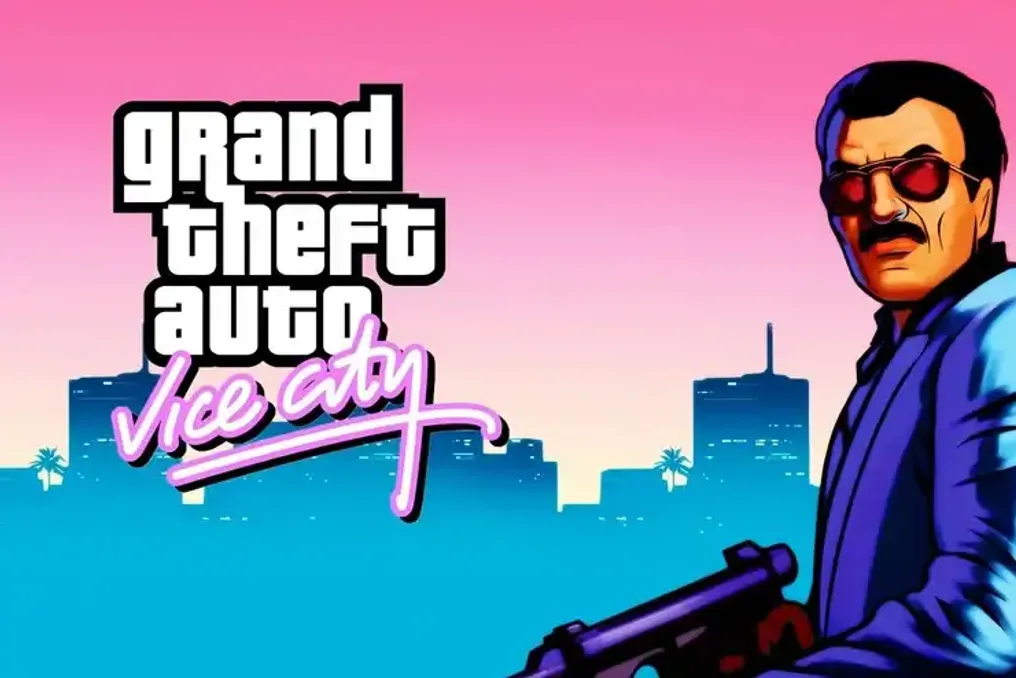
However, it was GTA: Vice City, released in 2002, that elevated this concept to a cultural phenomenon. Set in a fictionalized version of Miami in the 80s, the title featured artists such as Michael Jackson, Bryan Adams, and Electric Light Orchestra, distributed across stations focused on various music genres.
There are examples like Flash FM, dedicated to pop; V-Rock, devoted to hard rock and heavy metal; Fever 105, which explored funk and soul; and Emotion 98.3, known for its romantic ballads. The result was an experience that helped narrate the city's story without relying exclusively on dialogue or missions.
In an interview given to NME, researcher Kiri Miller from Brown University clarified that the licensed music in Vice City was crucial for establishing the game's atmosphere. Besides placing the player in a specific era, the radios allowed them to choose the desired atmosphere for each moment. A police chase could gain more intensity with fast music, while a long drive across the map could become a relaxing moment with a calmer station.
This freedom also solved a common challenge in open-world games: making travel between missions more engaging. Another relevant aspect is humor, as eccentric commercials, exaggerated presenters, and invented talk shows reinforce the social satire typical of Grand Theft Auto.
Rockstar maintained this expansion formula in subsequent titles. GTA: San Andreas incorporated hip-hop, funk, rock, and country to portray different facets of the fictional 90s California. GTA IV explored the musical diversity of Liberty City, and GTA V offered an even wider selection, including stations hosted by real artists.
This curation transformed the games into a form of musical discovery. For many players, hearing a specific song is enough to immediately evoke a city, character, or mission. With GTA 6, set in a Leonida inspired by contemporary Florida, artists like Bad Bunny represent the type of sound that could harmonize with the new Vice City, although their presence should be seen as a possibility, not as something confirmed in the soundtrack, until there is an official statement.
What remains established is the relevance of music to the franchise. In Grand Theft Auto, selecting a station never meant just choosing what to listen to; it meant defining how to live in that city. Perhaps that is why, decades later, many people still remember the music of Vice City even before their missions.