Finland donates food worth one million euros to help 330,000 people in Mozambique
Read more
Noticias ao Minuto
noticiasaominuto.com

Finland donates food worth one million euros to help 330,000 people in Mozambique

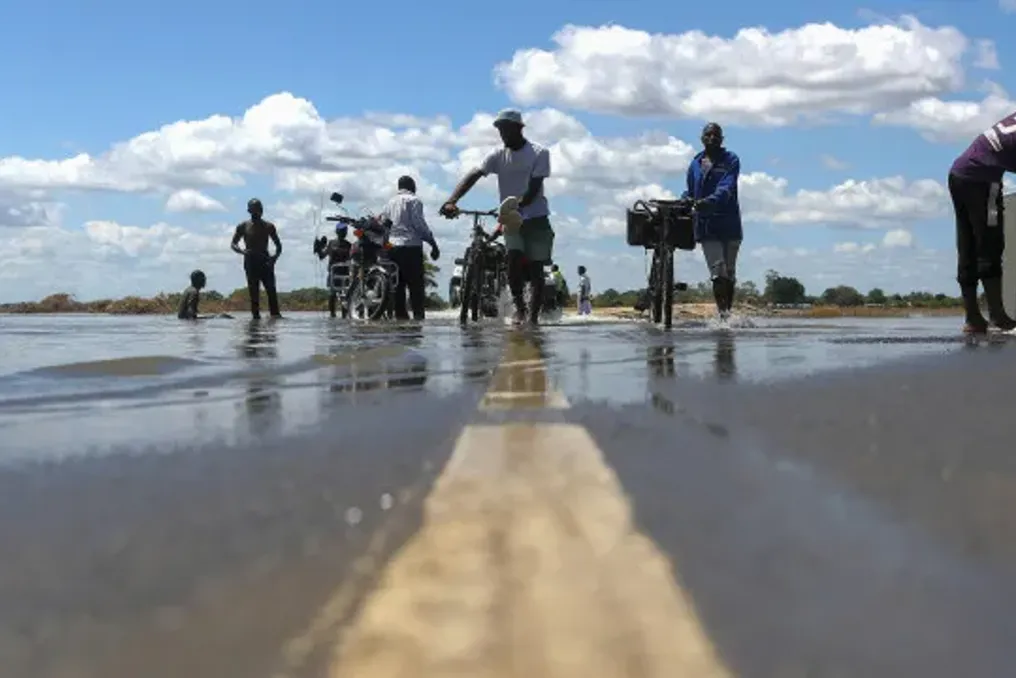
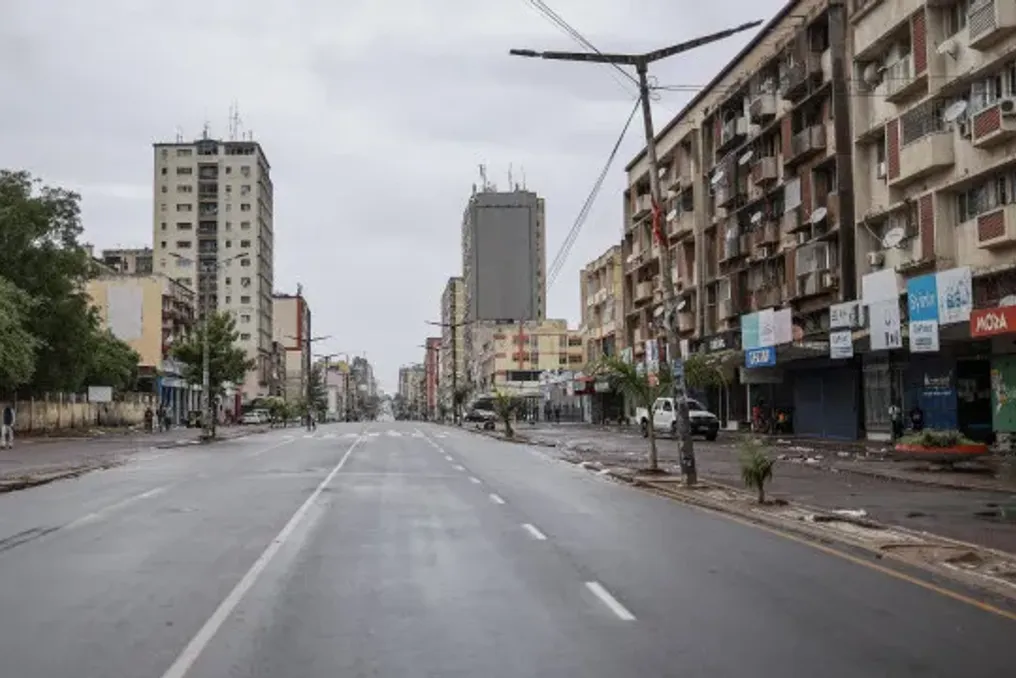
The Finnish government made a food donation intended to support 330,000 individuals affected by the armed conflict in the Mozambican province of Cabo Delgado. This initiative, estimated at approximately one million euros, was made possible by purchasing goods from Ukraine.

The delivery of supplies, which included rice and soybean oil, took place in Pemba, Cabo Delgado. The ceremony was conducted by the Finnish ambassador to Mozambique, Satu Lassila, on behalf of the Government of Cabo Delgado and the World Food Programme (WFP).

During the event, the diplomat expressed deep concern about the humanitarian situation in the province, which has been subjected to attacks by extremist groups for almost ten years. She emphasized that Mozambique must remain on the international agenda, warning that various global crises should not overshadow the needs of the people in Mozambique.

Satu Lassila clarified that the aid aims to demonstrate solidarity with communities affected by the conflict and assist in improving their living conditions. According to her, the donation represents a clear message that international solidarity only gains meaning when it directly benefits people.

The ambassador also called for continued support for families vulnerable to food insecurity, as these families require constant assistance to rebuild their lives.

As detailed by the ambassador, Finland is allocating about one million euros to purchase food products originating from Ukraine, as part of the campaign called 'Food from Ukraine' (previously known as 'Grain from Ukraine').

The province of Cabo Delgado, which has gas reserves, faces a severe humanitarian crisis resulting from the armed conflict that began in October 2017. International organizations report that this conflict has already resulted in 6,600 deaths and the displacement of 1.3 million people.
Similar stories

Japan will provide 1.4 million euros in food aid to Cape Verde
Read more
noticiasaominuto.com

Japan will provide 1.4 million euros in food aid to Cape Verde

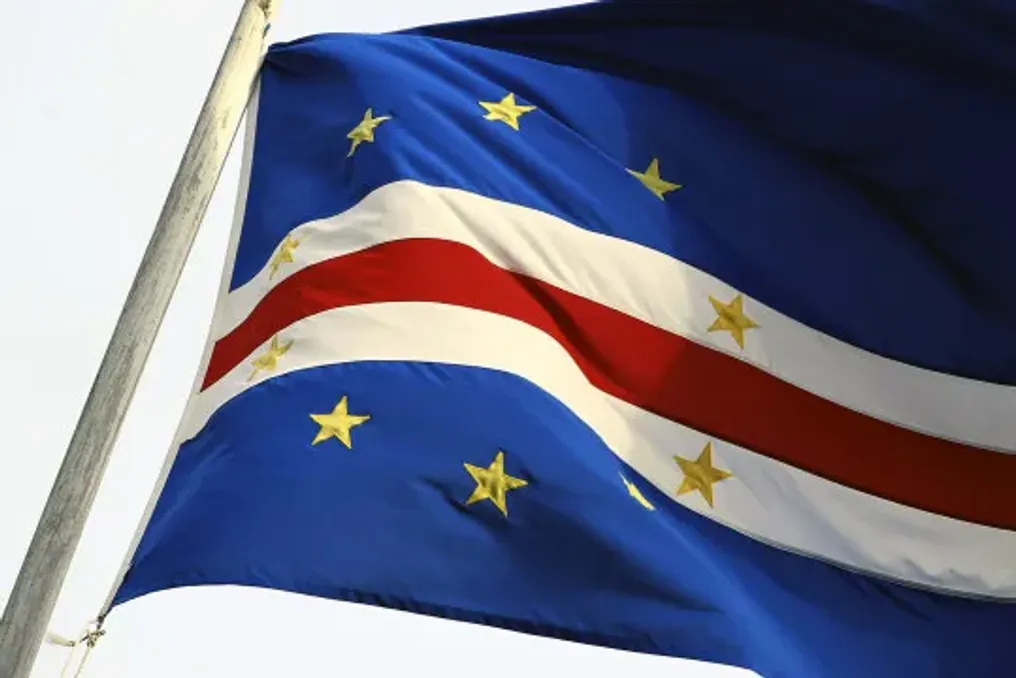
Japan and Cape Verde are about to formalize a food assistance agreement worth 1.4 million euros, as communicated by the archipelago's Ministry of Foreign Affairs, with the signing scheduled for Monday.

This support aims to reaffirm Japan's commitment to continuing support for Cape Verde's development efforts. Previously, in December 2025, similar Japanese aid was granted, totaling 834 thousand euros (equivalent to 991 tons of rice), intended to ensure food supply amid rising prices and the persistent impacts of climate change.

Recent data released by the archipelago's National Institute of Statistics (INE) in October brought new information regarding food access. An increase in the incidence of severe food insecurity in Cape Verde was observed, rising from 5.6% in 2022 to 8.3% in 2024. Furthermore, moderate or severe food insecurity also worsened in the two most recent years analyzed.

The information contained in the statistical report related to the Sustainable Development Goals (SDGs) indicated that the downward trend in severe food insecurity was reversed in the period between 2018 and 2024.

Million Sums Allocated to Needy Families in Uzbekistan for Heating Season
Read more
podrobno.uz

Million Sums Allocated to Needy Families in Uzbekistan for Heating Season

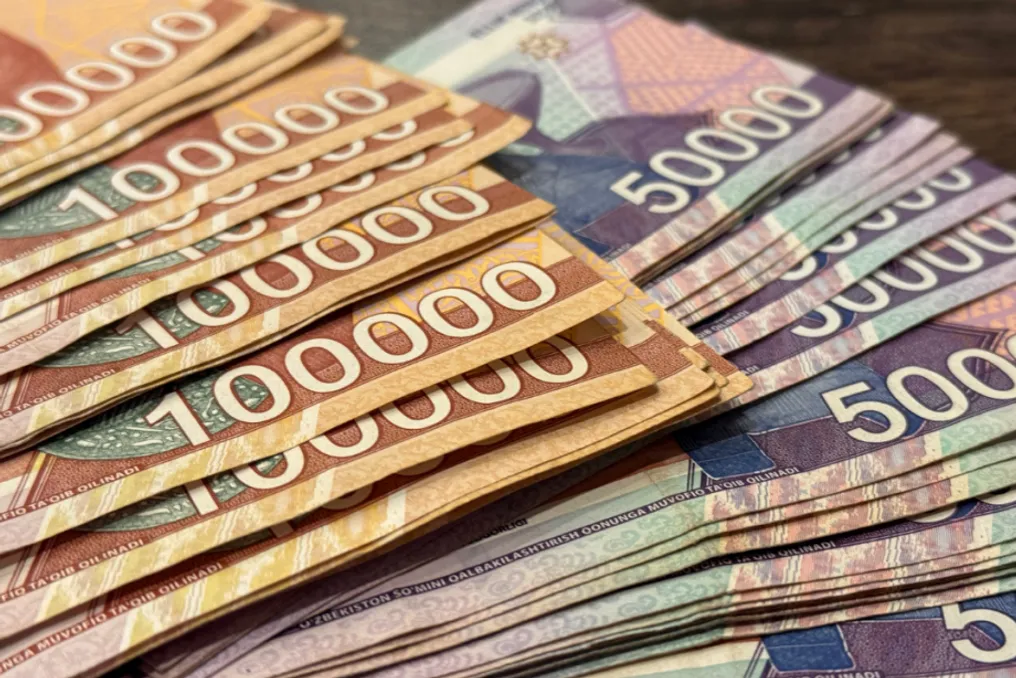
Support measures are being introduced in Uzbekistan for low-income families aimed at covering expenses related to heating and utility services during the winter period. In November, these families will receive a one-time payment of one million sums, and the criteria for receiving compensation for electricity, gas, and coal payments will also be revised.

These steps have been implemented based on the president's decree and are intended to assist residents during the heating season. The one million sum payment is addressed to families listed in the Social Register, as well as those who meet the established requirements but are not yet included in this register. Factors such as the family's per capita income and housing conditions are taken into account when assessing eligibility.

Families whose average income per person does not exceed twice the minimum consumer expenditure (MCE), which is approximately 1.4 million sums, can receive this assistance. However, special rules apply to residents of apartment buildings with centralized heating: in Karakalpakstan and other regions, the average per capita income must not exceed twice the MCE, whereas in Tashkent, this threshold is increased to three times the MCE.

In exceptional cases, support may be provided to families with incomes above the established limits if it is decided by the district or city headquarters responsible for job creation and increasing the population's income level. Furthermore, assistance is provided for elderly people living alone, citizens with disabilities, individuals requiring care, and families raising orphans and children left without parental care.

The decree also provides for an increase in the maximum average income threshold at which families can expect various forms of social support. Regarding compensation for electricity and natural gas consumption, the threshold will be raised from 1.5 to two MCEs. When allocating funds for purchasing coal, this indicator will increase from one to two MCEs. A similar criterion applies to reimbursing utility payments and repaying debts through the 'Sahovat va Kumak' fund, as well as compensating fuel costs.

The deadlines for providing some types of assistance have also been extended. Compensation for the difference between tariffs within the basic norm of electricity and gas consumption and tariffs for excess consumption will be paid until April 1, 2028. Payments for partial reimbursement of coal purchase costs have been extended until the beginning of 2029. Previously, local authorities in Uzbekistan decided to increase the basic consumption norm for electricity for territories not connected to gas or experiencing gas supply interruptions, raising it from 200 to 350 kilowatt-hours per month.

Food assistance needs in Mozambique projected below average despite El Niño risks
Read more
noticiasaominuto.com

Food assistance needs in Mozambique projected below average despite El Niño risks

FEWS NET estimates that around 1.99 million Mozambican citizens will require urgent food aid in April. This number is lower than both the April 2026 record and the five-year average, even considering the risks associated with the El Niño phenomenon.

The latest report from the Famine Early Warning Systems Network (FEWS NET) indicates that in April 2027, between 5% and 10% of the Mozambican population will face acute food insecurity, corresponding to a range of 1.5 million to 1.99 million people. The network observes that food assistance needs in Mozambique in April 2027 are expected to be lower than those recorded in April 2026 and below the five-year average.

Mozambique is part of a select group of nations monitored by this organization, which is an international early warning network for food insecurity and is funded by the United States. Food assistance needs in the country are expected to decrease compared to the same period in 2026, alongside Kenya, Zambia, Lesotho, and Afghanistan.

According to FEWS NET, which monitors famine risks and food assistance demands in various nations, the improvement in the situation in Mozambique is mainly attributed to agricultural production above the average recorded in 2026, the accumulation of food reserves by families, stable food prices, and the availability of stocks that will help mitigate expected problems in the next harvest.

Nevertheless, the organization issues a warning about the continuation of Crisis situations (IPC Phase 3) in areas affected by armed conflict, specifically in Cabo Delgado and the north of Nampula province. In these regions, food insecurity continues to limit access to food and livelihoods.

The FEWS NET analysis highlights that armed conflict will continue to hinder access to food and livelihoods. The report identifies conflict and unfavorable climatic conditions as the main risk vectors for national food security.

The organization also warns that the effects of El Niño may restrict recovery in several regions, forecasting drops in agricultural production in parts of central and southern Mozambique at the beginning of the 2027 harvest. The document adds that the 2026-2027 El Niño phenomenon should cause below-average rainfall in Southern Africa during the rainy season from October 2026 to March 2027, increasing the risk of impacts on production and food security.

According to FEWS NET, these deficiencies may reduce the seasonal improvements usually seen in food access during the harvest period. However, the immediate impact should be smoothed by the good harvests of 2026 and existing reserves.

In a special report released this month, the organization warned that El Niño 2026-2027 has rapidly intensified to levels classified as very strong, and is expected to result in below-average precipitation in much of Southern Africa between October 2026 and March 2027. FEWS NET emphasizes, however, that the most severe effects of the phenomenon on food security usually appear only in the subsequent months, during the scarcity period, indicating that the deepest impacts may occur later in 2027.

In Cabo Delgado, where armed insurgency has generated violence since October 2017, the organization anticipates the maintenance of food crisis scenarios until at least April of next year, due to persistent population displacement and restrictions on access to agricultural land, markets, and sources of income.

Popular