Iran Returns 151 Historical Artifacts from China After Exhibition
Read more
Tehran Times
www.tehrantimes.com

Iran Returns 151 Historical Artifacts from China After Exhibition

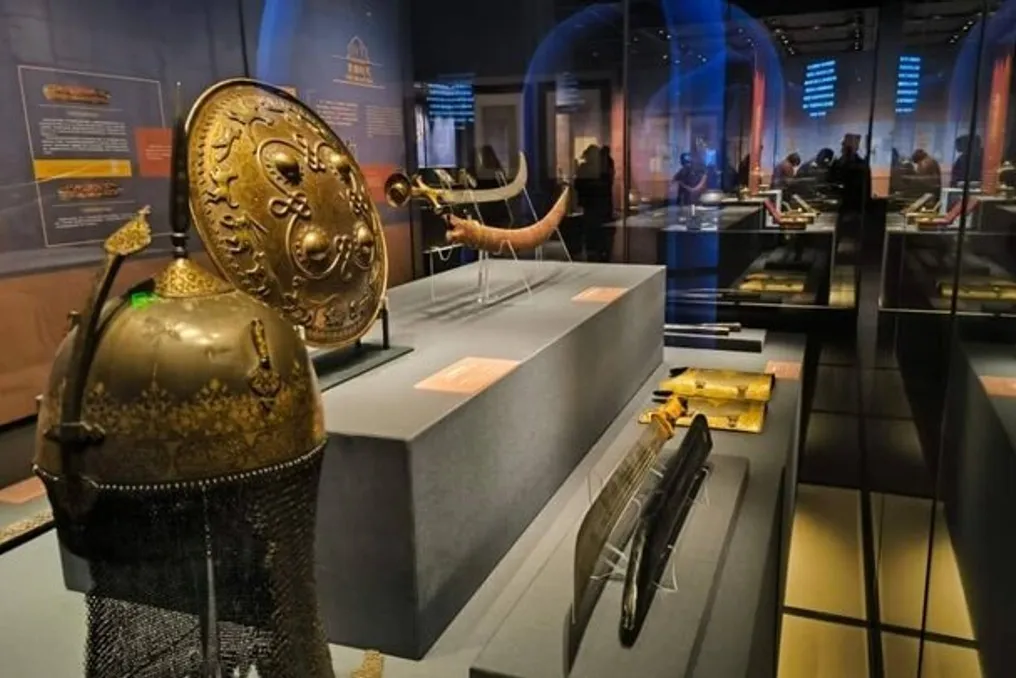
The Cultural Heritage of Tehran province reported on Tuesday that Iran has received back 151 historical artifacts that were loaned to China for a series of exhibitions. All items were returned in good condition after almost two years.

Ali Toluei, Director General of the Department of Cultural Heritage, Tourism and Crafts of Tehran, specified that the artifacts arrived in Iran on Tuesday after completing their tour of exhibitions in China, which included a final exhibition in Dalian.

After passing customs procedures and interdepartmental coordination, the collection was transferred to secure storage. Staff and experts ensured compliance with preservation and security requirements, according to ISNA.

These items were lent by the Iranian Ministry of Cultural Heritage, Tourism and Handicrafts in 2025 for an exhibition titled 'Land of Love.' The exposition began in January 2025 at the Sichuan University Museum.

The collection featured exhibits from several renowned Tehran museums, including the Reza Abbasi Museum, the Museum of Glass and Ceramics, the Carpet Museum, the National Art Museum, and the Moghadam Museum.

The objects cover a wide historical period, from the third millennium BCE to the Islamic era, and include metal, ceramic, and glass items, textiles, and carpets, demonstrating the diversity of Iran's cultural heritage.

Initially, the exhibition was supposed to last six months under a government-approved agreement. Leila Hosravi, head of the country's museum department, had previously indicated that the exhibition concluded in June 2025; however, the return of the artifacts was postponed for several months due to the twelve-day war with the Israeli regime. Subsequently, China requested an extension, which was approved by the Iranian government.

Toluei noted that the successful return of the collection required close cooperation between the Ministry of Cultural Heritage, state agencies, airport customs staff, and the Cultural Heritage Protection Department. He also thanked Chinese authorities for hosting the exhibition and acknowledged the efforts of museum directors, specialists, and experts involved in organizing and supporting this cultural event.
Similar stories

French Specialists Conduct Restoration of Exhibits from the Romanov Palace Collection in Tashkent
Read more
podrobno.uz

French Specialists Conduct Restoration of Exhibits from the Romanov Palace Collection in Tashkent

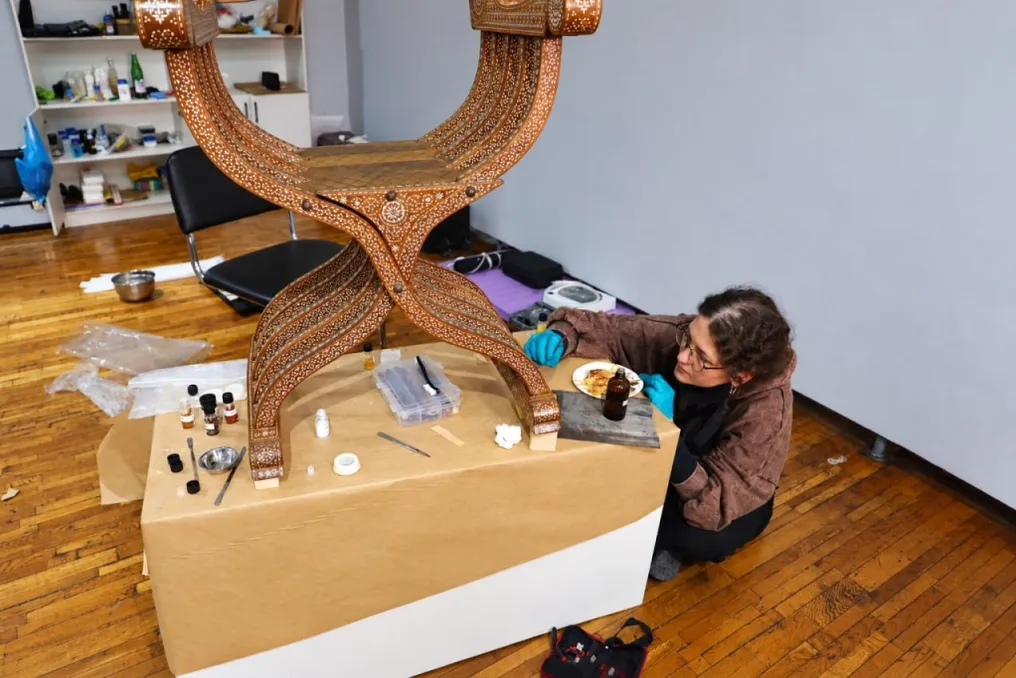
From October 6 to 30, the State Museum of Arts of Uzbekistan hosted the first restoration mission organized by French specialists. The goal of this mission was to preserve and restore historical and artistic items belonging to the Romanov Palace collection.

Nine experts from France participated in the work, focusing their efforts on two main areas. A group of five specialists, led by Delphine Eli-Lefevre, worked on restoring seven pieces of furniture from the historical fund.

Concurrently, a team of four experts under the leadership of Patricia Verge-Libay restored four paintings from the same collection, including their frames. The execution of this mission is intended to contribute to the preservation of the cultural values of the Romanov Palace, guarantee their authenticity, and strengthen international partnership in the field of restoration.

It should be noted that the Romanov Palace has been undergoing restoration since 2021. Earlier this year, in May, there was public outcry regarding a closed fashion show held on the palace grounds. Residents and public figures criticized the holding of a commercial event at a heritage architectural site that remained closed to the public.

Later, the Fund for the Development of Culture and Art clarified that the event took place exclusively on the adjacent territory and did not affect the interior premises of the palace. The agency also reported that after the completion of the work, the site will be opened to visitors as a modern museum space.

Australia Returns Two Cultural Artifacts to China
Read more
cgtn.com

Australia Returns Two Cultural Artifacts to China

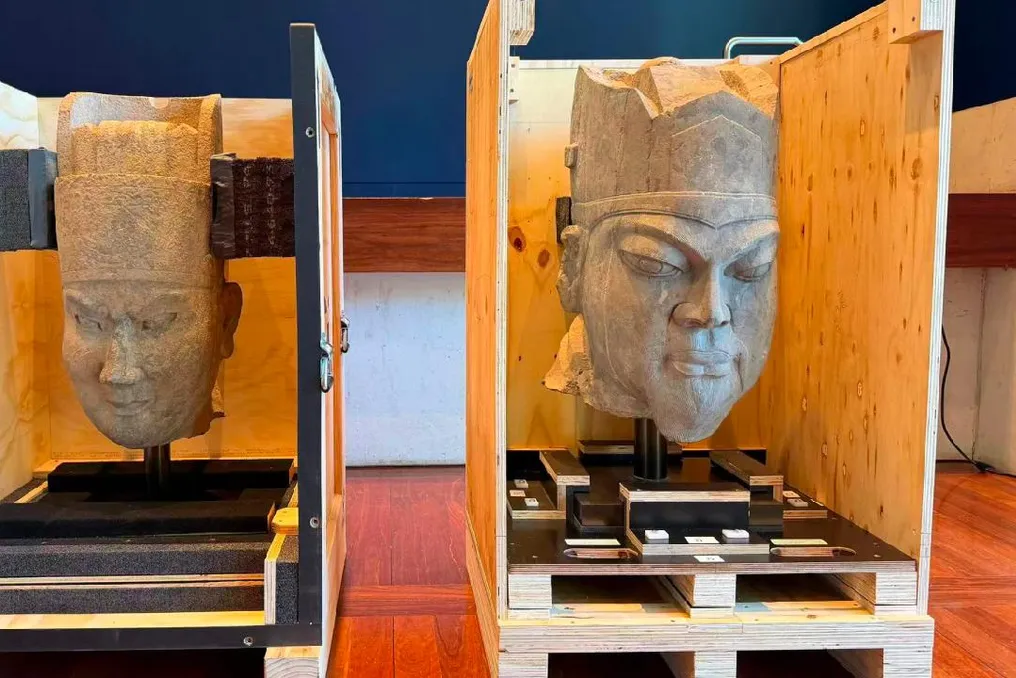
The National Gallery of Australia (NGA) handed over two Chinese cultural artifacts to the Administration of National Cultural Heritage of China in Canberra on Wednesday at 14:52 local time.

These two items are statuettes of military and civilian officials' heads, and both date back to the Northern Song Dynasty period (960–1127).

Fossilized tree trunk 170 million years old discovered in northern Iran for scientific research
Read more
www.tehrantimes.com

Fossilized tree trunk 170 million years old discovered in northern Iran for scientific research

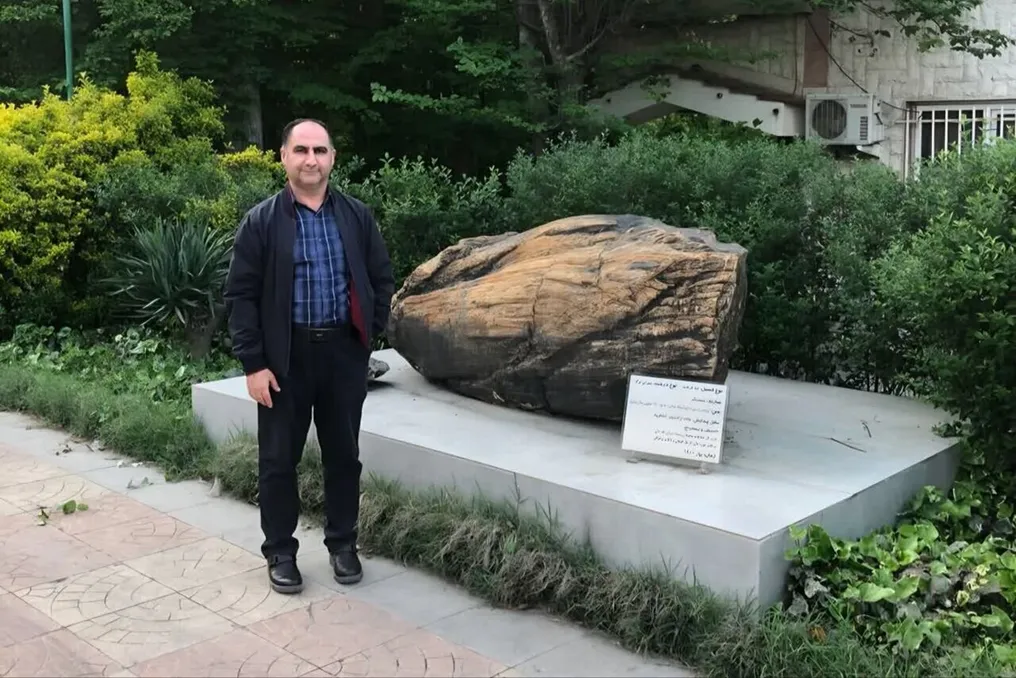
A fossilized tree trunk, estimated to be 170 million years old, has been presented in Golestan province in northeastern Iran. This find is considered a valuable resource for scientific study, the preservation of natural heritage, and the development of ecotourism.

The discovery was made in 2021 during road expansion work on the Azadshahr-Shahud route. After officials confirmed the find, the artifact was handed over to the Golestan Environmental Department, according to IRNA agency on Tuesday.

Preliminary assessment indicates that the sample belongs to the group of coniferous trees, but further specialized research is required to accurately determine its classification and geological age.

Mahmoud Shakiba, head of the department of genetic resources, natural history museums, and wildlife protection at the Golestan Environmental Department, stated that the fossilized trunk is one of the province's valuable natural assets. He noted that this specimen can help researchers study the region's geological history and ancient vegetation while raising public awareness about paleontology and natural heritage.

Despite the approximate age estimate of 170 million years, the exact geological period remains undetermined. Shakiba emphasized that further expertise is necessary to establish whether it belongs to the Late Triassic or Middle Jurassic period.

The fragment of the fossilized trunk was donated to the Biodiversity Museum of the Environmental Department in Tehran, which should provide broader access to the specimen for educational and scientific purposes.

Shakiba also reported that the provincial environmental department has collected about 100 specimens of fossils from various plant and animal species, which are stored in its museum. Recently, 50 such specimens were sent to the Biodiversity Museum in Tehran for further taxonomic evaluation and identification.

Fossils serve as important evidence of the history of life, past environmental conditions, and changes in Earth's ecosystems throughout geological time. Proper preservation and documentation in specialized museums support scientific research and help pass on knowledge about nature to future generations.

Shakiba added that identifying, protecting, and displaying fossil finds are part of the overall responsibility for protecting Iran's natural heritage. He also noted that increasing public awareness about such resources can strengthen conservation efforts and improve understanding of the country's natural history.

Furthermore, this discovery highlights Golestan's greater potential for conservation and educational tourism. The province is home to parts of the Girgan forests—an ancient ecosystem with a history spanning tens of millions of years. Unlike the fossil remains, these forests represent living ecosystems that preserve elements of ancient vegetation and provide important data for understanding long-term ecological changes.

Popular