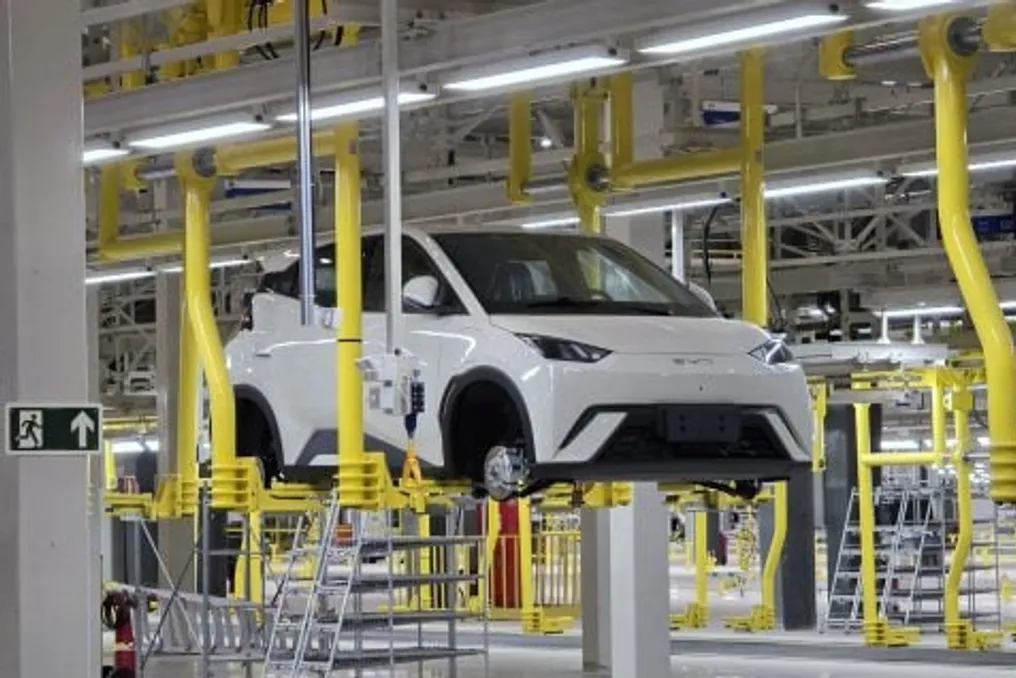
Major automakers operating in the United States have intensified pressure on the American Congress to implement a definitive ban on Chinese cars within the national territory.
The Alliance for Automotive Innovation, an organization comprising giants such as General Motors, Ford, Stellantis, Toyota, Volkswagen, and other manufacturers, has requested that legislation be passed before the end of the current legislative session, scheduled for December. The sector argues that this measure aims to safeguard billions of dollars invested in local factories and ensure national security.
According to the entity, the technology embedded in connected vehicles—which includes cameras, sensors, and internet access—poses a risk, as it could be used by China to collect data from both drivers and American roads.
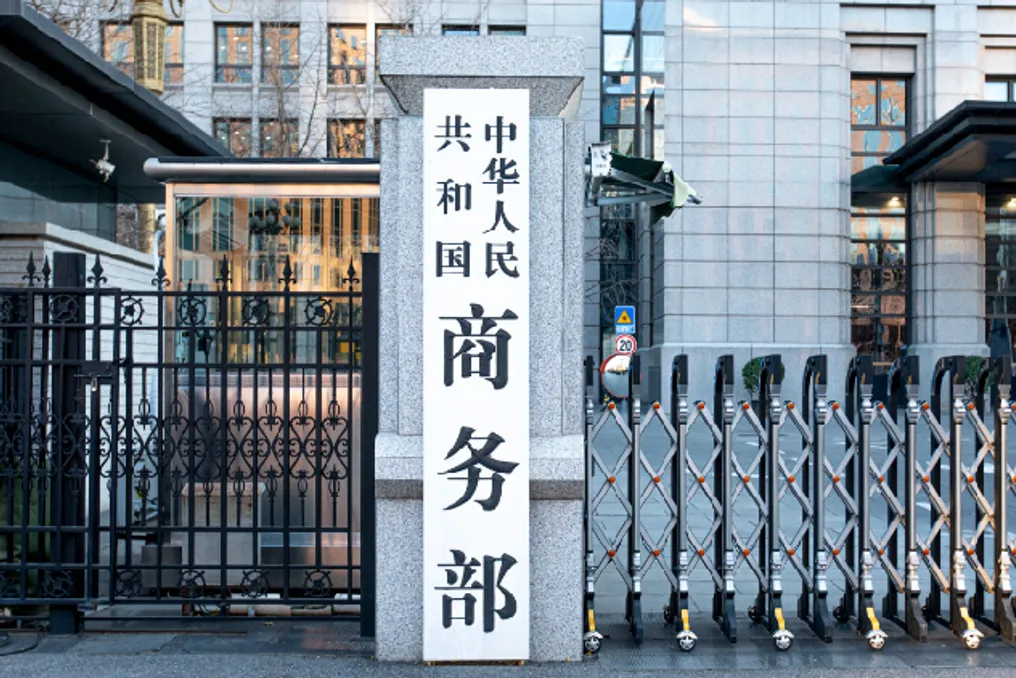
Currently, the US already imposes import tariffs exceeding 100% on electric vehicles from China. Additionally, a regulation from the Department of Commerce, established in early 2025 under the administration of Joe Biden, imposes restrictions on Chinese software and components in connected vehicles, which effectively prevents these models from entering.
Despite existing measures, the automakers argue that the ban must be formalized through federal law. John Bozzella, the entity's president, used the European Union as a comparative example. He mentioned that the EU imported over 1.1 million vehicles from China in the first eight months of 2026, a volume higher than recorded in the entire previous year.
The industry alert was intensified in September when Donald Trump told Fox News that he would be willing to accept Chinese automakers producing vehicles in the US.
The bill, named the Connected Vehicle Security Act, was introduced by Senators Bernie Moreno, Republican, and Elissa Slotkin, Democrat, and received approval in the Senate committee in July. In the House of Representatives, the proposal has the support of more than one hundred co-sponsors.
However, time is limited. Congress will resume its activities next week, following the midterm elections held this Tuesday (3), and the session ends in December.
For its part, China refutes all allegations. The Chinese Ministry of Foreign Affairs stated that it has already asked the US to respect fair competition and market economy standards, classifying the proposals targeting Chinese companies as 'unreasonable repression.'