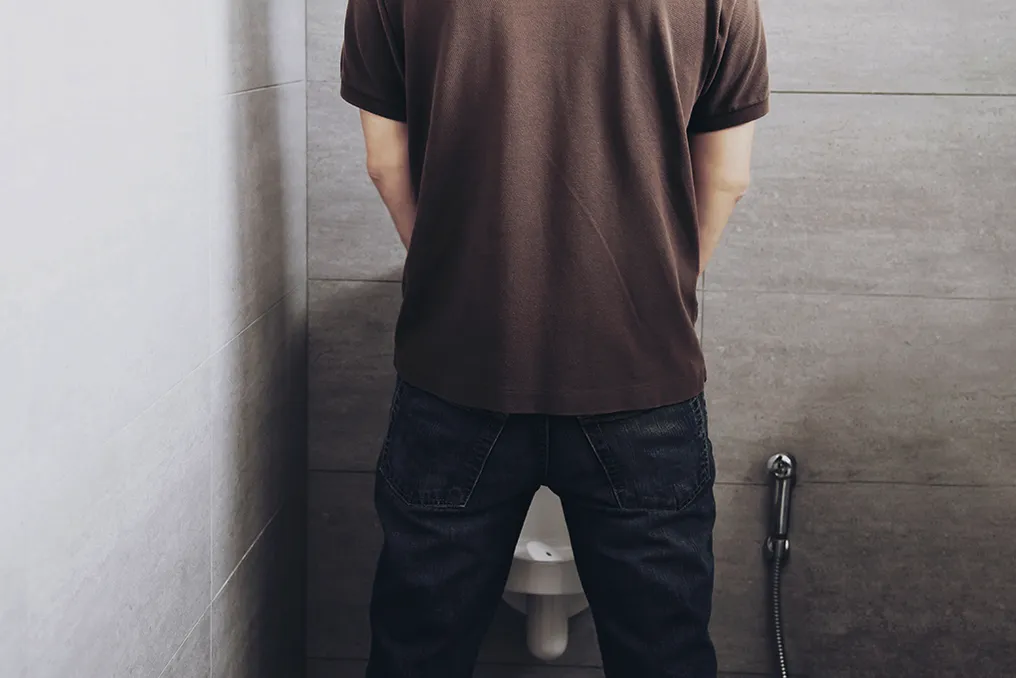
Study compares urinating while sitting versus standing in young and healthy men
Read more
Super Abril
super.abril.com.br

Study compares urinating while sitting versus standing in young and healthy men

There is no definitive scientific consensus on which posture is ideal for men and other people when urinating. While some research suggests that urinating while sitting may promote relaxation of the pelvic region, other theories suggest that in men up to 50 years old, this position may increase the probability of dripping after urination.

In light of this, a recent investigation, published in October in the scientific journal Neurourology and Urodynamics, conducted a randomized experiment to compare these two positions.

Researchers from a Colombian group evaluated a group composed of 52 healthy volunteers, aged between 18 and 39. Each participant was monitored both while urinating standing and sitting, being randomly divided into two groups: twenty-four started sitting and, after at least 24 hours, urinated standing; the other 28 did the reverse.

In each session, crucial data were collected, including the total volume of urine expelled and the maximum urinary flow rate (Qmax), defined as the highest flow rate during urination (measured in milliliters per second), as well as the time required to reach this maximum flow (tQmax).

These metrics were obtained through an examination called uroflowmetry, where the individual urinates into equipment that records the flow to identify its peak.

Upon examining the findings, scientists did not identify significant disparities in the maximum flow between the different postures, nor did they observe changes in the total volume of urine eliminated. The only distinction noted was that healthy men took a slightly longer period—an average of 3.3 seconds—to reach Qmax when urinating standing. However, this specific data point was influenced by the measurement of a single atypical volunteer.

The study's authors themselves commented that the sitting position was linked to a shorter time to reach maximum flow, but emphasized that this small difference probably lacks clinical relevance and was partially determined by an outlier value. They concluded that larger, pre-registered studies with previously specified equivalence analyses and including symptomatic populations are necessary.

The researchers warn that the sample used was insufficient to confirm the equivalence of the two positions; the study merely failed to detect any difference. Additionally, the research did not assess the amount of residual urine in the bladder after urination.

Therefore, according to the presented results, the posture adopted during urination does not present drastic advantages or disadvantages in young and healthy individuals, leaving the choice to the individual. For those who present urinary symptoms, such as those resulting from prostate enlargement, previous research suggests that sitting may aid in more efficient bladder emptying, although aiming correctly is recommended.
Similar stories

Physiotherapy students create personalized orthosis to aid in the rehabilitation of a child in Tocantins
Read more
g1.globo.com

Physiotherapy students create personalized orthosis to aid in the rehabilitation of a child in Tocantins

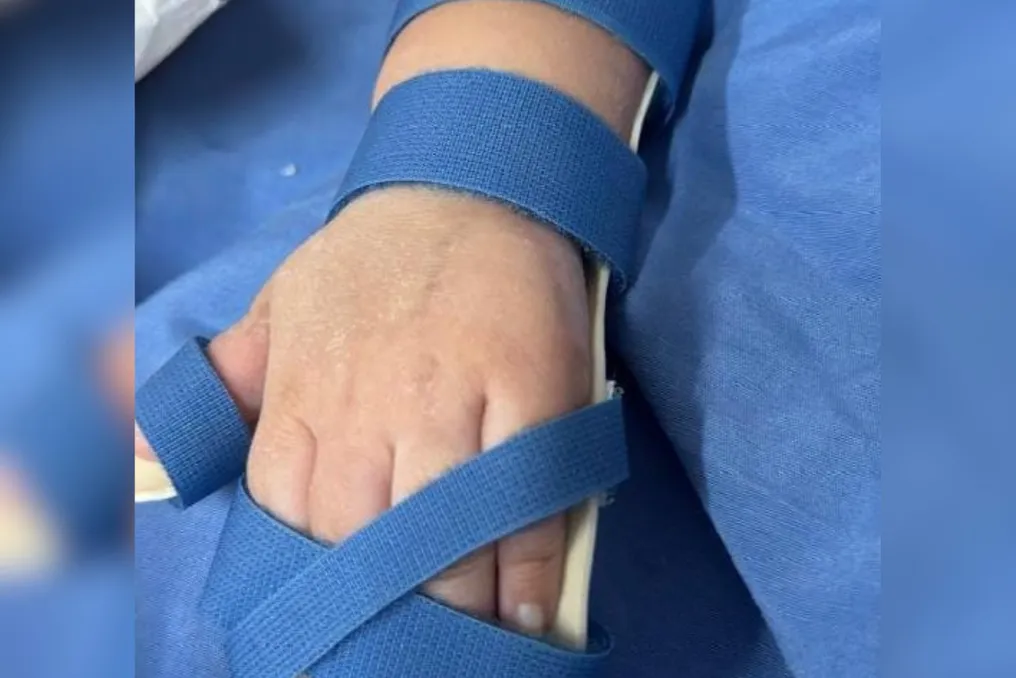
Physiotherapy students developed a custom pediatric orthosis with the aim of improving the quality of life of a child under one year old. The boy, who suffers from peripheral neuropathy, is hospitalized at the Municipal Hospital of Araguaína, located in the north of the state of Tocantins.

João Pedro Sousa Costa, a 21-year-old university student, reported that the group, composed of eight students, is completing an internship at the hospital unit. During this period, they identified the need to create a specific device that would fit the patient's anatomy.

The students proposed using an orthosis for wrists and fingers to correct the limb's anatomy. Due to the long hospitalization period, the patient's arm muscles showed marked stiffness, causing the hand to tend to close and contract with great force. The students warned that if this condition was not prevented, it could lead to permanent muscle hardening, resulting in pain and limiting future movements.

This orthosis functions as a preventive measure against bone deformities, muscle contractions, and chronic motor dysfunctions. According to the students, it serves to gently stretch and relax these muscles, preventing finger stiffness, relieving discomfort, and ensuring the limb remains healthy and aligned for motor recovery.

Alicia Chagas Mitt, the physiotherapist responsible for guiding the students, explained that the initiative provided the future professionals with the opportunity to apply their theoretical knowledge in a practical context to benefit a patient. She stated that after about three weeks of monitoring, she suggested to the students that they consider building an orthosis to prevent deformities in the patient. In just one week, the students managed to finish manufacturing the orthosis, which was very well made.

The manufacturing process began with the detailed collection of the patient's hand anatomy, using manual drawings on paper and photographic records to capture all necessary details. After completing the initial modeling, the mold was transferred to production in PVC material.

Rising Air Pollution in Delhi-NCR: Should Cardiologists Advise Against Morning Walks?
Read more
www.aajtak.in

Rising Air Pollution in Delhi-NCR: Should Cardiologists Advise Against Morning Walks?

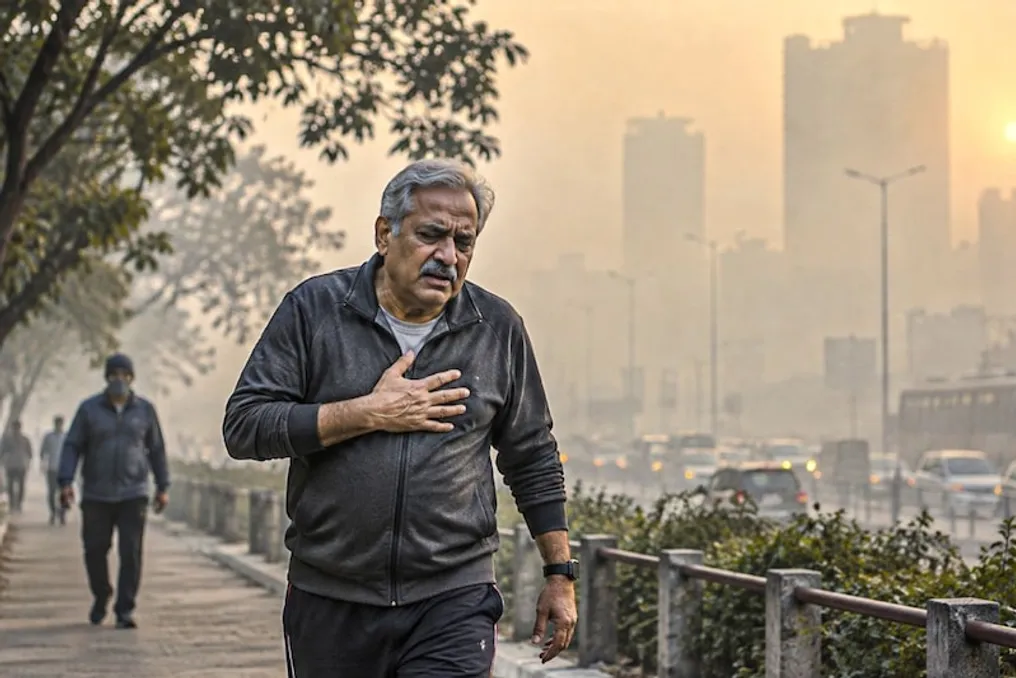
The Delhi-NCR region is experiencing a rise in air pollution levels even before the Diwali festival, with the Air Quality Index (AQI) exceeding 200 in many areas. Increased pollution poses a risk of exacerbating various diseases. This raises the question of whether people with heart conditions should engage in outdoor physical exercise during this period, as many start their day with morning walks or light exercises; however, at high levels of air pollution, the risk of negative impact on individuals with heart problems increases.

Doctors generally consider the morning the best time for workouts, but with poor air quality, outdoor activities can bring more harm than good. Dr. Nishant Tyagi from the Cardiology Department of Medanta Hospital in Noida shared his opinion on this issue. He emphasized the need to pay attention to how pollution affects the heart, as well as choosing the appropriate time and place for exercise.

Dr. Tyagi explains that atmospheric pollution contains fine particles, specifically PM2.5. These particles enter the lungs upon inhalation and can cause inflammation in the lungs, as well as other problems. In patients with heart diseases, this can contribute to increased blood pressure and the formation of blood clots, making them more vulnerable.

The answer to this question largely depends on the air quality, the individual's heart condition, and the recommendations of their treating physician. Morning exercise itself is not inherently dangerous, but one cannot assume that the morning atmosphere is always clean. If the AQI is significantly elevated and falls into the 'poor' category, it is recommended to refrain from walking or strenuous physical activity outdoors.

It is important not to ignore the following symptoms: chest discomfort, shortness of breath, dizziness, and rapid heartbeat. Patients must continue taking prescribed medication and should not independently stop taking cardiac drugs or change dosages due to pollution. Those who already suffer from heart disease must discuss their exercise regimen and any new symptoms with a cardiologist.

Popular