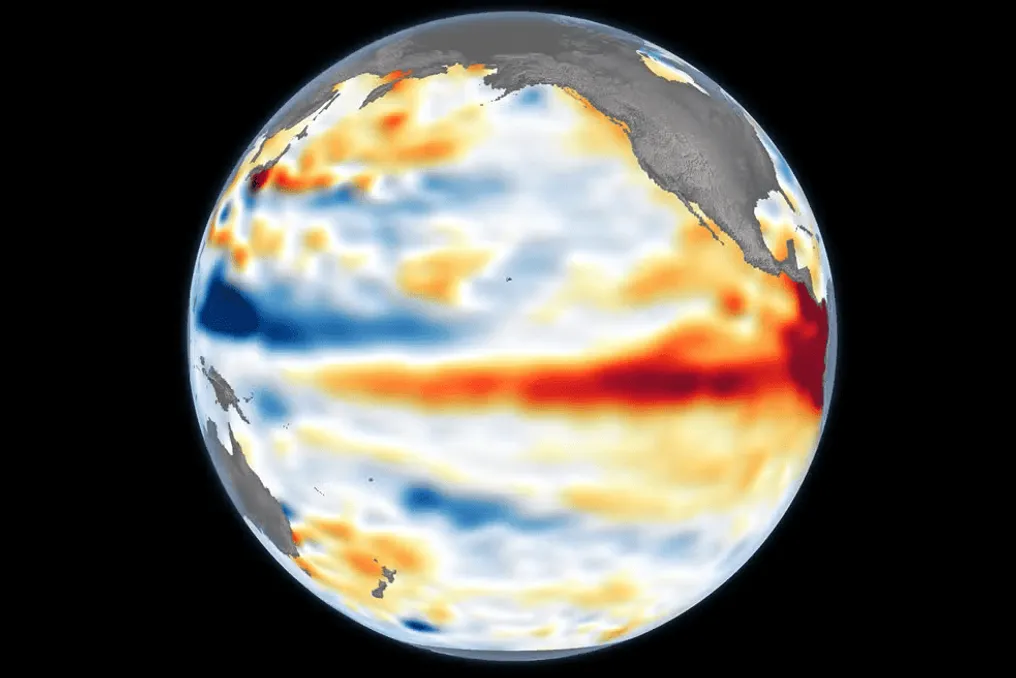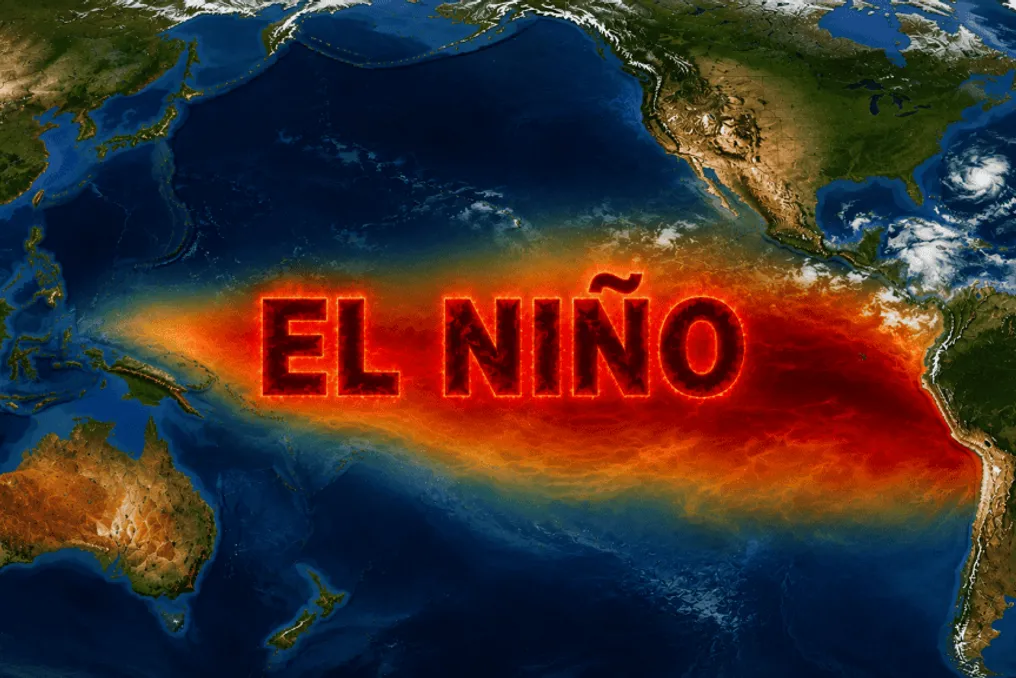
The 2026 El Niño event reached a record warming level during the month of October. According to data provided by the National Institute of Meteorology (Inmet), the surface temperature of the Pacific Ocean exceeded the average by 2.47 °C in the area designated as Niño 3.4.
The Niño regions are areas located in the Equatorial Pacific Ocean, used by meteorological specialists to monitor water temperature. While Niño 3.4 is situated in the central part of the ocean, Niño 3 is positioned further east, towards South America. In this latter region, the temperature variation reached 3.56 °C in October.
The survey conducted by Inmet also pointed to maximum records in weekly measurements. Specifically in the Niño 3 region, the temperature registered 3.7 °C above average in the last week of October. This value constituted the highest record in the historical series started in 1981, surpassing the previous mark of 3.6 °C, which had been recorded in December 1982.
Near the coasts of Peru and Ecuador is the Niño 1+2 region. In this location, the temperature difference reached 4.6 °C in the same period, equaling the record established in June 1983. However, this area has little influence on the Brazilian climate.
Meteorologist Leydson Dantas emphasized that monthly and weekly data cannot be directly compared, as they cover different time periods. He stated: 'It is important to note that comparing monthly and weekly data requires caution, as they represent distinct reference periods.'
The phenomenon began to develop in June 2026 and showed a rapid increase in temperature in subsequent months. The World Meteorological Organization (WMO) indicated the possibility that this episode could be one of the most intense ever documented.
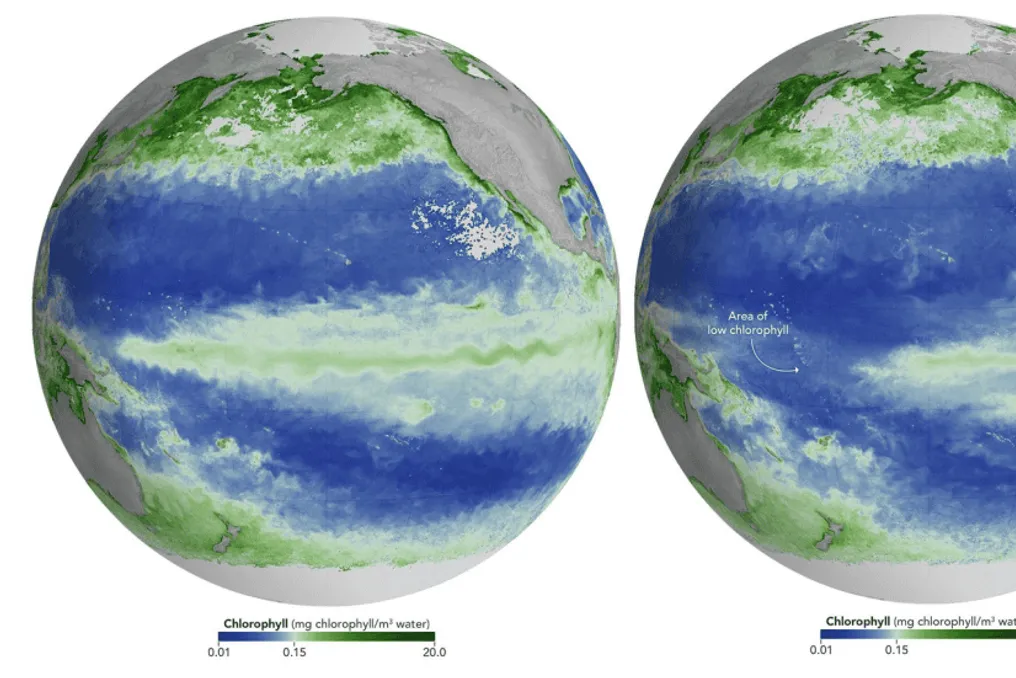
El Niño is characterized by the warming of the surface waters of the Equatorial Pacific Ocean above normal levels. This thermal increase causes changes in atmospheric circulation and modifies rainfall and temperature patterns in various parts of Brazil. Inmet clarifies that the impacts of this phenomenon are determined by the intensity of the warming, the season, and the specific atmospheric conditions of each locality.