Anvisa approves Wegovy in tablets for obesity treatment in Brazil
Read more
Olhar Digital
olhardigital.com.br

Anvisa approves Wegovy in tablets for obesity treatment in Brazil

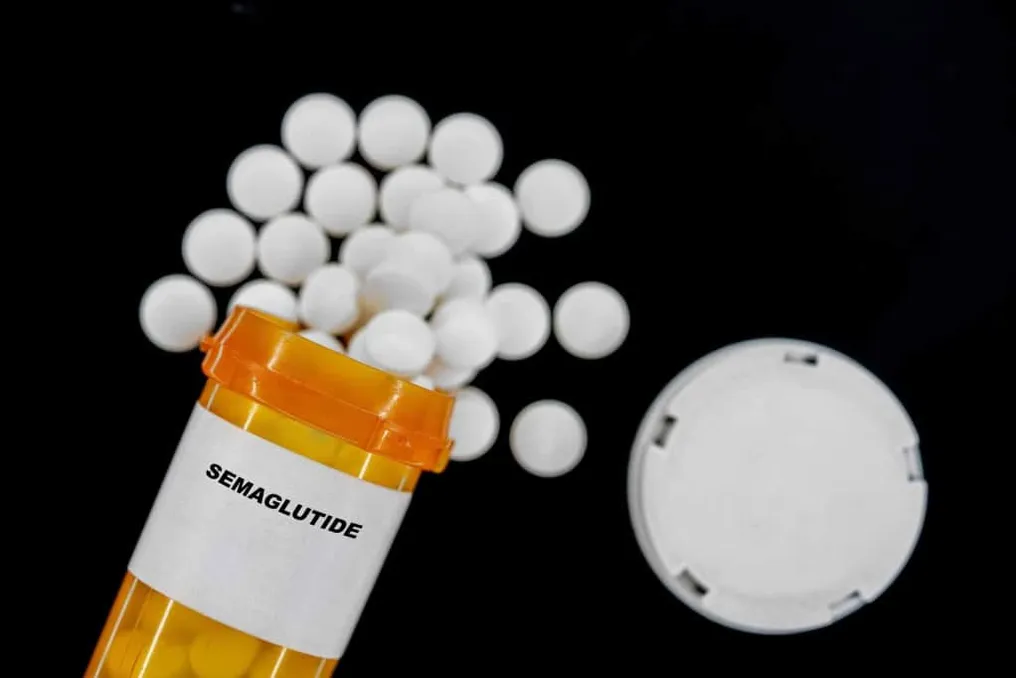
The National Health Surveillance Agency (Anvisa) has granted approval for the tablet version of Wegovy (semaglutide), a medication developed by Novo Nordisk. This launch represents the first oral drug of the GLP-1 agonist class authorized in the country to treat both obesity and overweight.

This new formulation allows for once-daily administration at a dosage of 25 mg, offering an alternative to the weekly injection administered with a pen. The authorization was formalized in the Official Gazette of the Union after the pharmaceutical company submitted the request on January 30th of this year.

Semaglutide works by mimicking the action of GLP-1, a hormone secreted by the intestine after meals. This hormone sends a signal to the brain indicating food intake, which results in decreased hunger and delayed gastric emptying, promoting greater satiety.

The need for a higher dose in the oral route is due to the fact that part of the substance is degraded in the stomach before reaching the bloodstream. For this reason, the tablet requires 25 mg daily, contrasting with the weekly maintenance dose of 2.4 mg of the injectable version.

In a clinical study fundamental to the approval, published in the scientific journal The New England Journal of Medicine, participants who used the tablet registered an average weight loss of 13.6% over 64 weeks. In comparison, the placebo group showed only a 2.2% reduction, demonstrating that the result approaches that obtained with the injectable version.

With the inclusion of Wegovy in tablet form, Brazil now has two oral forms of Novo Nordisk's semaglutide available, although with different indications. While the new medication is aimed at obesity and overweight, Rybelsus is used in the management of type 2 diabetes.

However, the availability of Wegovy in tablets in Brazilian pharmacies is still conditional upon the definition of its price. Novo Nordisk has communicated that the value has not yet been determined and plans to bring the medication to the national market during the next quarter.

Similar stories

Anvisa approves five new GLP-1 pens for the treatment of diabetes and obesity
Read more
olhardigital.com.br

Anvisa approves five new GLP-1 pens for the treatment of diabetes and obesity

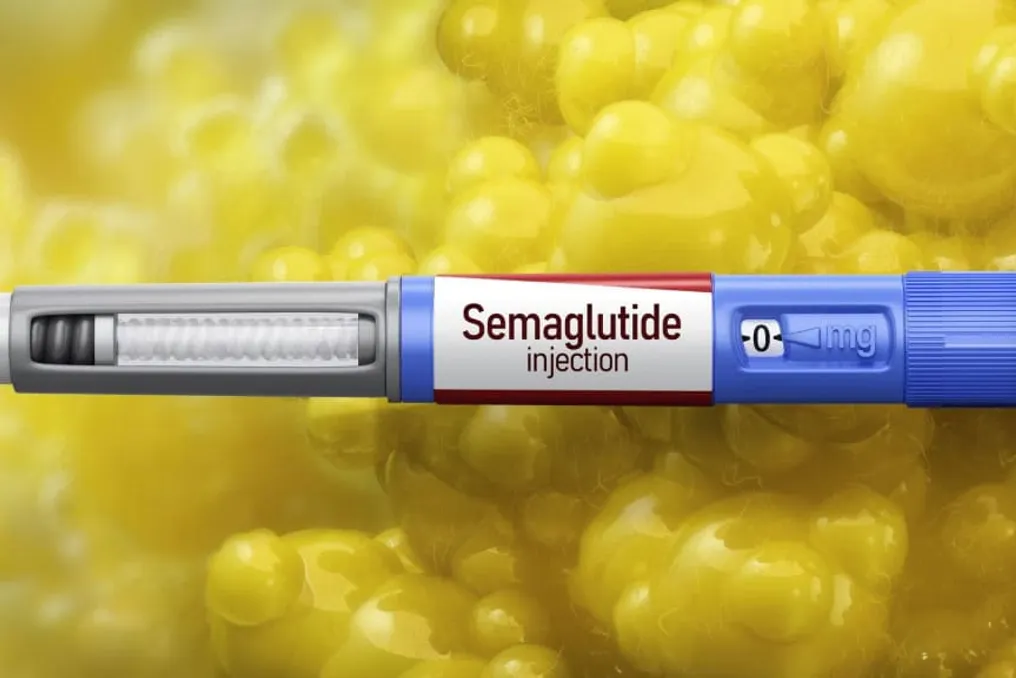
The National Health Surveillance Agency (Anvisa) has granted registration for five new GLP-1 pens intended for the treatment of diabetes and obesity. This authorization was formalized on Thursday, October 29th, through Resolution No. 4,244/2026, published in the Official Gazette of the Union (DOU).

With these new additions, the agency reaches a total of 20 approved pens in this category during 2026. The drugs in question use liraglutide or semaglutide and are produced by Indian companies.

Of these five products, three are specifically indicated for diabetes, while the other two are intended for the treatment of obesity. It is possible to check the details of the products, their respective indications, and the companies responsible for both registration and manufacturing.

This approval is part of a strategy that began in August 2025, motivated by a request from the Ministry of Health. The focus of this prioritization is to meet the needs of the Unified Health System (SUS) within the Health Economic-Industrial Complex (Ceis), in addition to ensuring adequate supply to the domestic market.

This initiative culminated in the publication of Call Notice No. 12/2025, a document that established preference in the analysis of medications based on liraglutide and semaglutide.

Both substances are part of the GLP-1 receptor agonist class. These medications mimic the function of a hormone released by the intestine, which plays a role in modulating blood glucose and satiety and appetite processes.

It is important to note that sanitary registration does not imply that the products are already available in pharmacies. The exact launch dates and commercial prices for these five pens have not yet been disclosed. In Brazil, the maximum prices of these medications are monitored by the Drug Market Regulation Chamber (CMED).

Since 2025, the sale of GLP-1 receptor agonist medications requires a medical prescription, which must be kept under custody at the pharmacy.

Anvisa orders recall of popsicle containing melatonin due to lack of safety assessment
Read more
g1.globo.com

Anvisa orders recall of popsicle containing melatonin due to lack of safety assessment

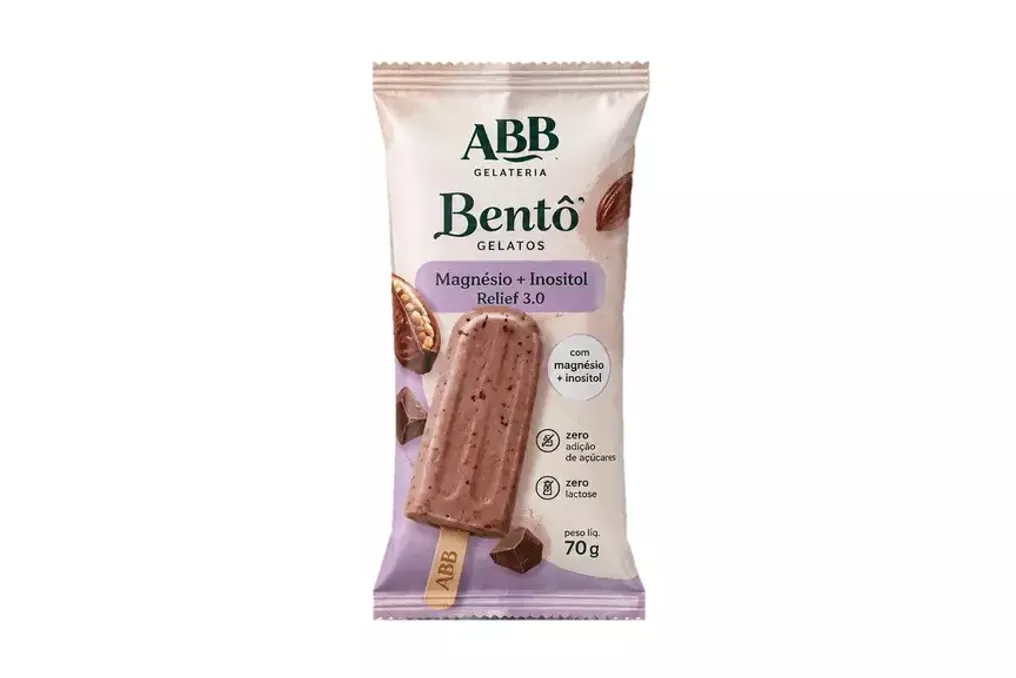
The National Health Surveillance Agency (Anvisa) ordered the withdrawal of all batches of the Bentô Gelatos Magnesium + Inositol Relief 3.0 popsicle and completely suspended its commercialization, distribution, production, advertising, and use.

This action was motivated by the absence of a safety assessment regarding the use of melatonin and inositol in common foods, such as ice cream. The determination was formalized in the Official Gazette of the Union (DOU) on Monday, the 26th, and affects the item produced by the company ABB Gelateria Ltda.

The agency clarified that both substances are authorized for use in food supplements but are not permitted in foods, as is the case with the product in question. Regarding inositol, the resolution also allows its use in ready-to-drink liquid preparations.

However, the decision does not specify the amount of these substances present in the popsicle, nor does it provide information about identifying any health problems linked to the consumption of the product.

In a statement, the manufacturer informed that on the same day Anvisa released the measure, the product was removed from all its sales and promotional channels. The company stated that the item is not being sold and is no longer part of its menu.

The resolution mandates the total recall of the Bentô Gelatos Magnesium + Inositol Relief 3.0 batches, keeping all commercial, distributive, manufacturing, advertising, and usage activities of the product suspended. This measure is preventive in nature and came into effect on the date of the resolution's publication, citing relevant sanitary legislation concerning food safety and product regularization.

Anvisa did not detail in the text published in the DOU the volume of units sold nor confirmed whether the recall process has been finalized.

Bentô Gelatos (ABB Gelateria Ltda.) acknowledged Resolution-RE No. 4.189 from Anvisa, published in the Official Gazette of the Union on October 26, 2026, and is complying with the determination. The company reiterated that the product was removed from its sales and promotional channels on the same day of notification, and that it is not being marketed nor is it part of its current menu. The case is under the legal monitoring of the company.

Ozempic and Wegovy users seek supplements to mitigate side effects, raising concerns about risks
Read more
g1.globo.com

Ozempic and Wegovy users seek supplements to mitigate side effects, raising concerns about risks

Individuals using GLP-1-based medications, such as Ozempic and Wegovy, have been seeking supplements to alleviate adverse effects. For Allison Vecchio, 42, these drugs were described as a 'reset button for life,' but they came with negative consequences, including gastrointestinal discomfort, brittle nails, and weakness so severe that it sometimes prevented her from getting out of bed.

A nurse at the Fort Pierce emergency room in Florida reported that her symptoms improved after starting a supplement regimen containing fiber, collagen, and electrolytes, a package estimated to cost between $200 and $300 per month. She emphasized the need to 'truly take control' so that simple weight loss translates into real health improvement.

GLP-1 medications, including Ozempic and Wegovy, manufactured by Novo Nordisk, represent a significant medical advancement in recent years due to their effectiveness in managing obesity and type 2 diabetes, in addition to contributing to the reduction of cardiovascular risk. A study conducted by JPMorgan indicated that approximately ten million Americans used them in the previous year, a number projected to reach 25 million by 2030.

However, the side effects of these drugs have motivated many people to turn to dietary supplements that lack adequate regulation. Supplement sales in the United States have grown sharply in recent years, exceeding $74 billion in 2025, according to the Nutrition Business Journal. Despite user confidence, this growing popularity—partially driven by social media—has generated warnings from doctors and led regulatory bodies to consider new guidelines on the marketing of these items.

Vitamins and supplements do not require prior approval from the U.S. Food and Drug Administration (FDA), which complicates the assessment of their scientific validity. With social media influencers playing an increasingly prominent role in promoting these products, some medical experts have called for greater oversight of supplement online marketing. Rob Fried, CEO of Niagen Bioscience, a company that recorded $129 million in sales last year, warned that corporations 'can hire an influencer, or even hundreds of influencers on TikTok... to make any claim that aids in sales.'

Supplement Sales Skyrocket

Vecchio, who has 25 thousand followers on TikTok, maintains contracts with three brands and is also part of the TikTok Shop's HealthPro creator program, intended for licensed healthcare professionals.

Terri Hart, 52, residing in Pittsburg, Kansas, a TikToker with over 12,000 followers, works mainly on commission, evaluating products offered by brands to influencers and promoting those she finds most useful. Hart uses magnesium, electrolytes, vitamin B12, and other supplements, which, according to her, helped compensate for what she described as 'terrible' nausea, fatigue, and constipation after starting GLP-1 in 2023. These items cost about $110 monthly, an expense not covered by her health insurance plan. Hart mentions that TikTok income helps cover this expense, stressing that she is not a medical professional and advises her followers to consult doctors before following her advice. She states: 'I establish my authority through my life experience.'

TikTok Shop reached over $1 billion in dietary supplement sales in 2025, representing 5.4% of all supplement e-commerce, according to the Nutrition Business Journal. Concurrently, overall vitamin and supplement sales in the US grew by 5% in 2024 and 7% the previous year. Erika Craft, a data analyst at the Nutrition Business Journal, observed that the products are 'attracting new consumers and expanding established supplement usage routines.'

However, in the absence of prior FDA endorsement, consumers are unaware of the exact composition of many supplements, explains Jonathan Bonnet, an associate clinical professor at Stanford and medical director of the Ardmore Institute of Health, located in Ardmore, Oklahoma. He warns: 'If you cannot know what you are taking, it is difficult to know what risks you are running.'

According to a Nutrition Business Journal survey, almost half of GLP-1 users began consuming new vitamins and supplements shortly after starting medication, with probiotics, proteins, and fibers being the most popular. Research conducted by Boston Consulting Group this year showed that GLP-1 users spend about 20% more on protein, fiber, and collagen—the latter being a protein essential for maintaining skin structure—compared to the period before starting treatment.
Popular