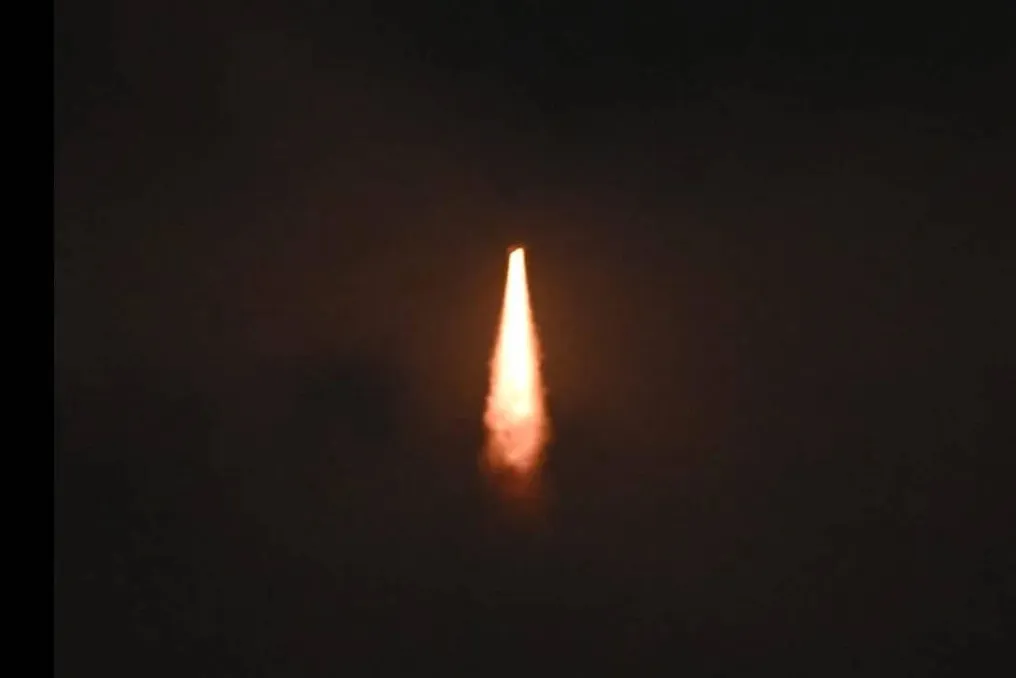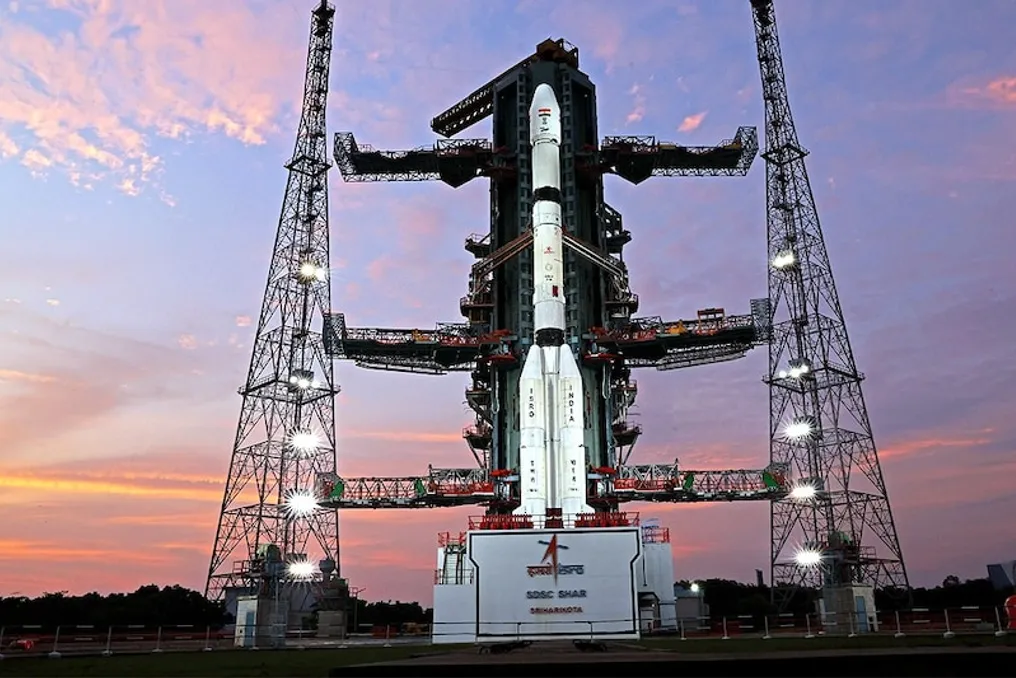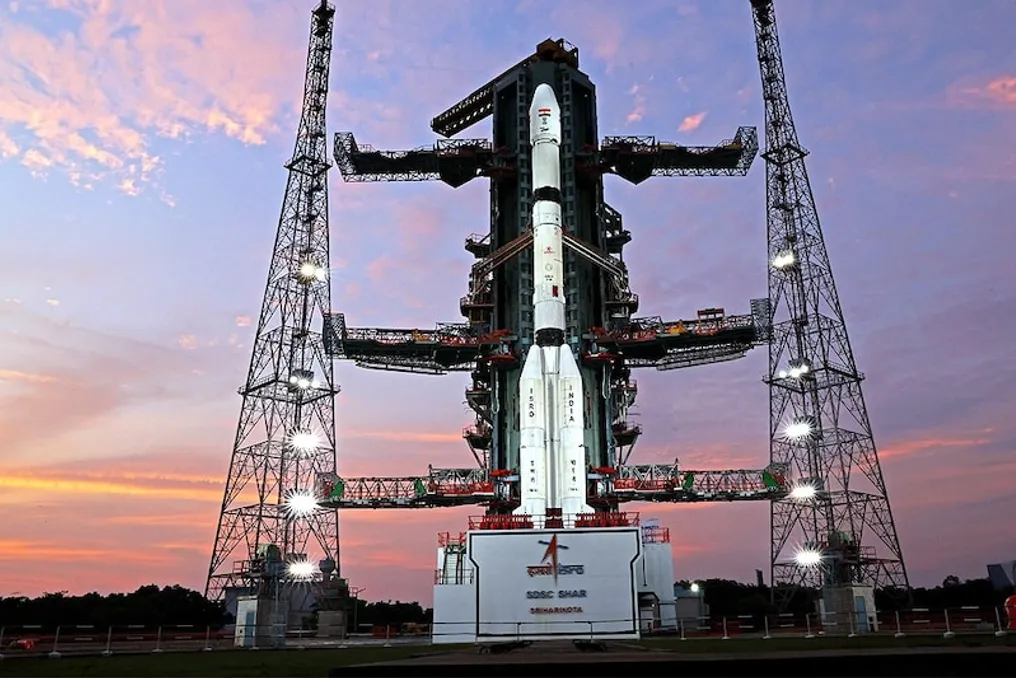
The Indian Space Research Organisation (ISRO) successfully launched the NVS-03 satellite on October 30, 2026, from the Sriharikota spaceport using the GSLV-F18 rocket. After three precise maneuvers, the satellite was placed into a geostationary orbit at a longitude of 111.75 degrees east.
Thanks to this success, India's national navigation system, NAVIC (Navigation With Indian Constellation), has returned to a state where at least four satellites are operational. This will ensure reliable positioning, navigation, and time synchronization services across the entire territory of India and within a 1500-kilometer radius of its borders. This achievement strengthens the country's space potential.
The NVS-03 satellite is equipped with third-generation indigenous rubidium atomic clocks, which contribute to highly accurate time measurement. Furthermore, L1-band signals are available on board, which are important for civilian use. The satellite has a service life of at least 12 years. It will be used not only for civil applications, such as train tracking, but also for national security purposes. Previously, the NAVIC system suffered due to the failure or end-of-life of some satellites, but the introduction of NVS-03 has eliminated this deficit and increased reliability.
ISRO Chairman V. Narayanan stated that this satellite will reduce dependence on foreign navigation systems. Instead of relying entirely on external systems like GPS, India is actively developing its own powerful network. The NAVIC system enhances self-sufficiency in both military and civilian spheres.
The application of the satellite is of great importance in areas such as navigation in border regions, maritime navigation, disaster management, and agriculture. This is another significant step in India's rapidly growing space sector, demonstrating its technical capabilities to the world. The return of the NAVIC system to a minimum level of four satellites is strategically important as it strengthens both national security and civil convenience. The development of indigenous atomic clocks is a testament to India's technical competence.
In the future, with the addition of new satellites, NAVIC will become even more accurate and comprehensive. Overall, the successful operation of NVS-03 serves as an example of the continuous success and self-reliance of India's space program, which will serve as a foundation for future great achievements.