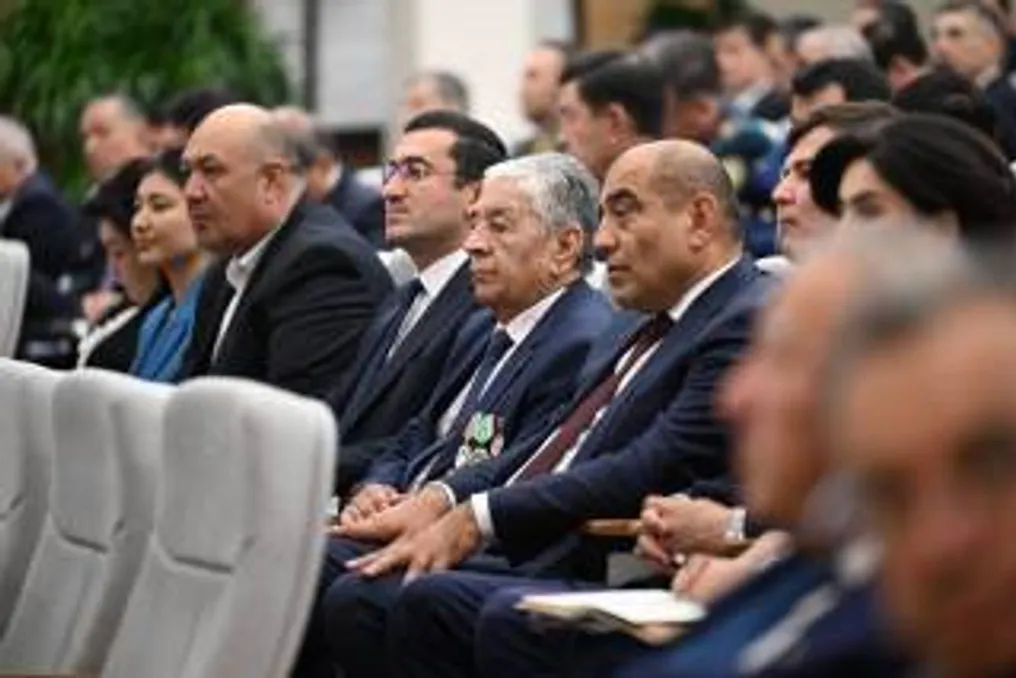
The President emphasized that there is an opportunity to implement projects worth $28 billion over three years by combining the potential of raw materials, energy resources, and entrepreneurs in Bukhara.
Similar stories
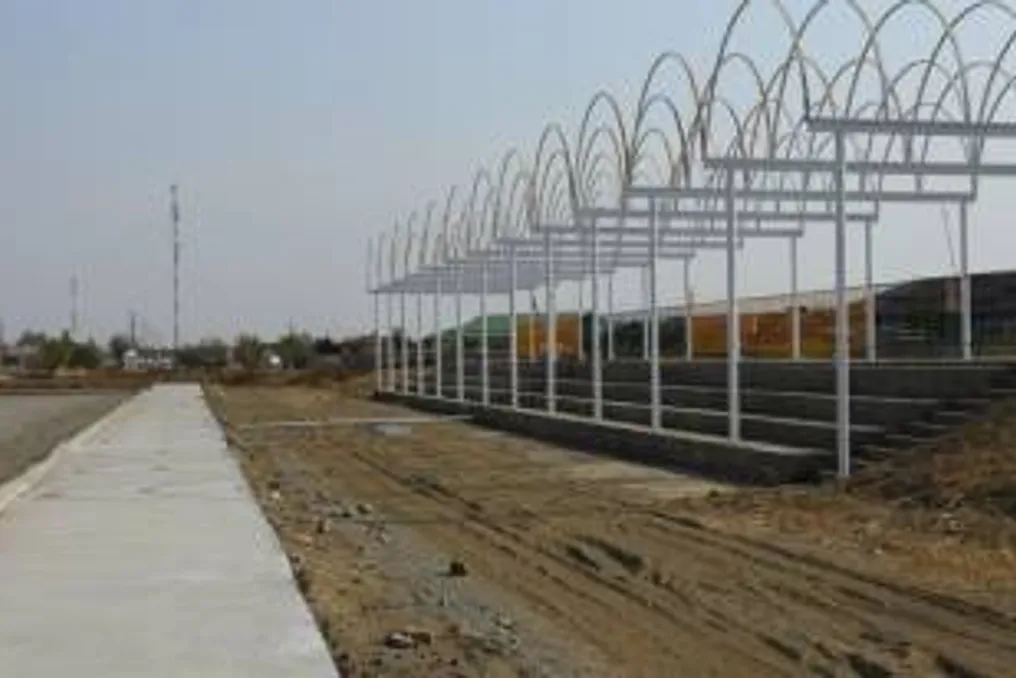
Project to build a modern children's sports ground is being implemented in the village of Shodlik
A modern sports ground for children is being built in the 'Shodlik' mahalla. This project, which was initiated by the residents of the mahalla, has received funding.
Deputy Nodira Jonibekova of the Higher Council of the Legislative Chamber allocated 1 billion 300 million sum for the implementation of this project.
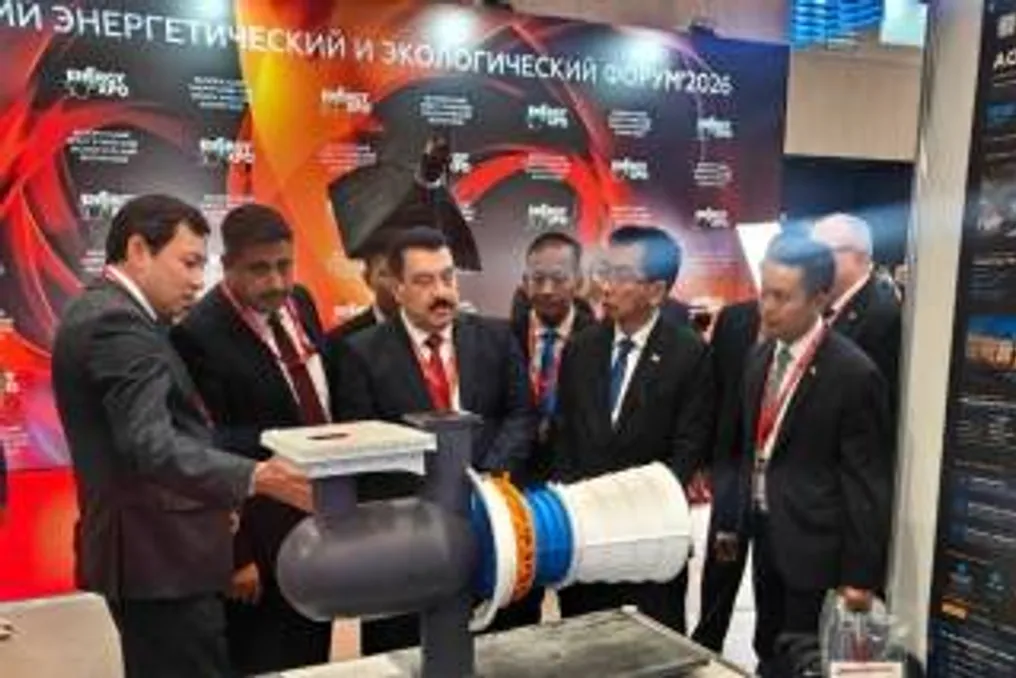
Uzbekistan's hydropower potential was presented in Minsk
The information agency 'Uzbekhidroenergo' reported that the hydropower potential of Uzbekistan was demonstrated in Minsk. Events took place in the city of Minsk, including the 30th anniversary forum of Belarus on energy and ecology, as well as the international exhibition 'EnergyExpo-2026' from October 27 to 30.
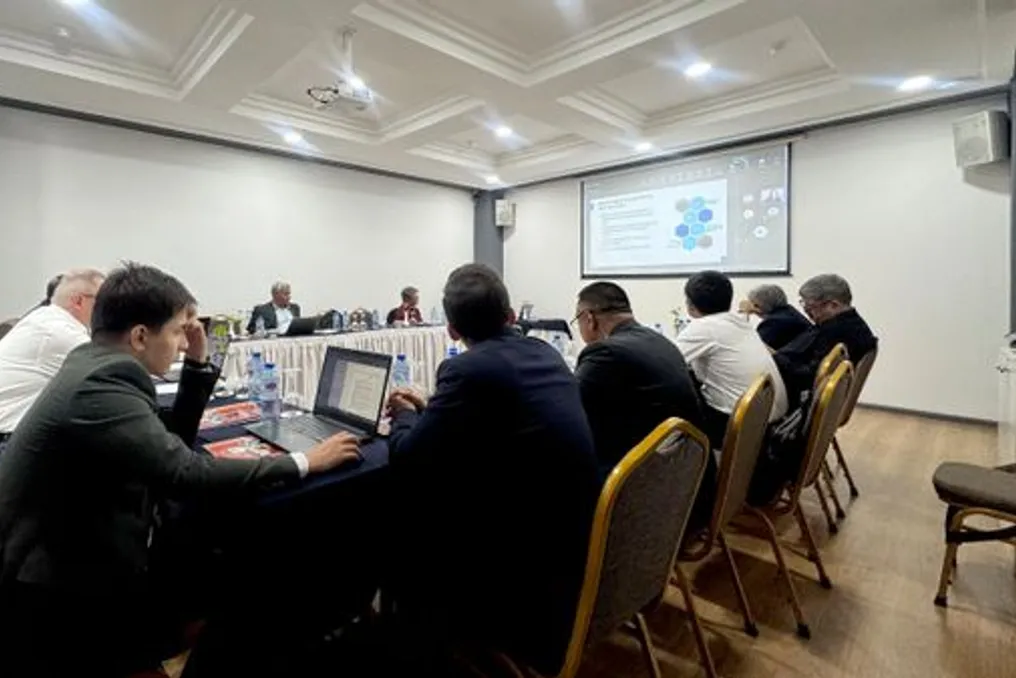
Uzbekistan's Preparation for the Future of Nuclear Energy: Experience and Cooperation with IAEA
An international conference is taking place in Tashkent dedicated to the decommissioning of nuclear reactors, radioactive waste management, and personnel training in this field. During the event, Vladimir Mikhal, an IAEA expert, gave an interview to a Sputnik correspondent, explaining the steps necessary for handling radioactive waste that will be generated at the future NPP.
Mikhal emphasized the importance of determining the volume of radioactive waste in advance. He noted that this requires the development of relevant technologies, expansion of storage facilities, and securing funding for such work. In his opinion, this approach allows for timely preparation of the necessary infrastructure and resources, as well as consideration of safety issues during the development of nuclear projects.
IAEA is holding its third international conference in Tashkent from October 26 to 30, focusing on research into the decommissioning of old nuclear reactors. Specialists from twenty countries, including the USA, China, Kazakhstan, Iran, Egypt, and Indonesia, are participating in the event.
Participants are discussing the technologies for dismantling nuclear installations, methods for dealing with radioactive waste, ways to assess the radiation status of equipment and materials, and measures to enhance the safety of such operations. The conference being held specifically in Tashkent is linked to Uzbekistan's practical experience in this area.
In 2019, work on the decommissioning and dismantling of the IIN-3M research reactor belonging to JSC 'Photon' was completed in the country. This project was implemented with the participation of the Institute of Nuclear Physics of Uzbekistan and the scientific and production enterprise 'Sosni' from Russia, as well as with technical and consulting support from the IAEA.
Fakhrulla Kungurov, Deputy Director of the Institute of Nuclear Physics of the Academy of Sciences of Uzbekistan for Innovations and International Relations, reported that this reactor was used for conducting scientific research and testing the resistance of electronic components to neutron and gamma radiation. Vladimir Mikhal, head of the IAEA Department of Nuclear Energy group on the decommissioning of nuclear facilities, also participated in this international project.
Mikhal highly praised the project, noting that interesting physical processes were identified that did not fully align with initial assumptions. He believes that this experience should be shared with specialists from other countries.
According to Mikhal, the experience accumulated in Uzbekistan can be useful to other states using similar research reactors.
According to Kungurov, training specialists capable of ensuring the safety of nuclear facilities throughout their service life is one of the key areas of international cooperation. Currently, the VVR-SM research reactor at the Institute of Nuclear Physics has been operating for over 60 years. Although its decommissioning is not planned in the near future, specialists are studying the international experience of this process.
Kungurov explained that future NPPs may operate for 60–100 years, but it is necessary to understand in advance how to organize this process, which technologies to apply, and how to ensure safety.
Uzbek specialists participate in specialized schools, seminars, and international conferences of the IAEA. There are plans to transfer the acquired knowledge and experience to young scientists and other industry specialists. An IAEA representative stated that their events are open to all countries, and Uzbekistan is one of them, and any relevant proposals will be seriously considered.
Mikhal also stressed the importance of developing direct contacts between the agency's experts and relevant organizations in Uzbekistan. This provides an opportunity to receive information about new projects, exchange practical experience, and consult with international specialists.
Representatives of 'Uzatom', the sanitary-epidemiological service, and regulatory bodies in the sector also took part in the international conference in Tashkent. Kungurov noted that such meetings are of great importance for preparing for tasks related to the development of nuclear energy.
Uzbekistan's cooperation with the IAEA covers areas such as ensuring the safety of nuclear facilities, managing radioactive waste, developing nuclear energy and medicine, and improving the legislative framework. Special attention is paid to the physical protection of nuclear facilities, including protected zones, engineering barriers, and other safety measures that must be taken into account during the design, construction, and operation of facilities.
According to specialists, issues of safe disposal of radioactive waste and decommissioning of nuclear facilities must be planned at the earliest stages of nuclear energy projects.