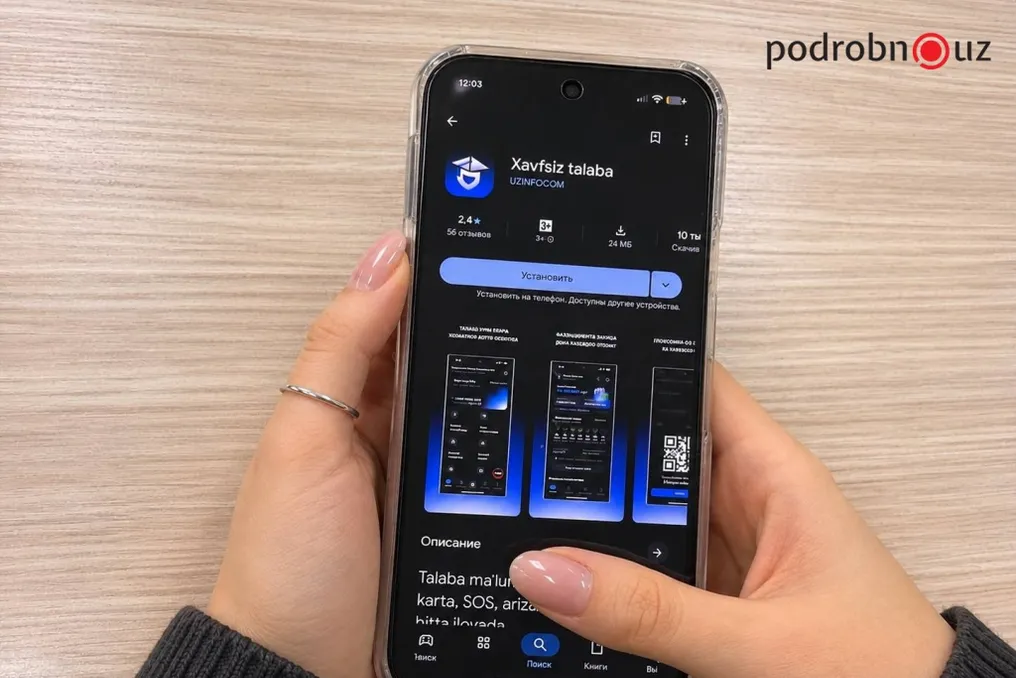
Student in Tashkent threatened with 15-day arrest for refusing to install 'Havfsiz Talaba' application
Read more
Podrobno.uz [uz]
podrobno.uz

Student in Tashkent threatened with 15-day arrest for refusing to install 'Havfsiz Talaba' application

The scandal related to the forced installation of the 'Havfsiz Talaba' application took an unexpected turn: at one of the educational institutions in Tashkent, a student was informed of an arrest for up to 15 days for refusing to install the program.

Information about this situation became known on November 3. Students from UzGUMYA and the University of World Economy and Diplomacy reported that management and tutors insisted on the necessity of installing the application both upon entering the campus and during classes. In some cases, students were given only ten minutes to download the program, which led to a temporary halt of the lecture until everyone present complied with this requirement.

According to Kun.uz, similar demands were also made at the International University of Turkic States, located in the Uchtepinsky district. According to this publication, on November 3, representatives of the district internal affairs department entered the classroom during lessons, led by the deputy head of the Internal Affairs Department. These employees checked students' mobile phones and demanded the installation of the application.

One student expressed doubts about the security of transferring personal data through this program and noted that he could not install it on an iPhone because the application is only available in APK format for the Android operating system. According to this applicant, in response to his objections, an employee attempted to apply pressure, seize the phone, and threatened him with a 15-day arrest.

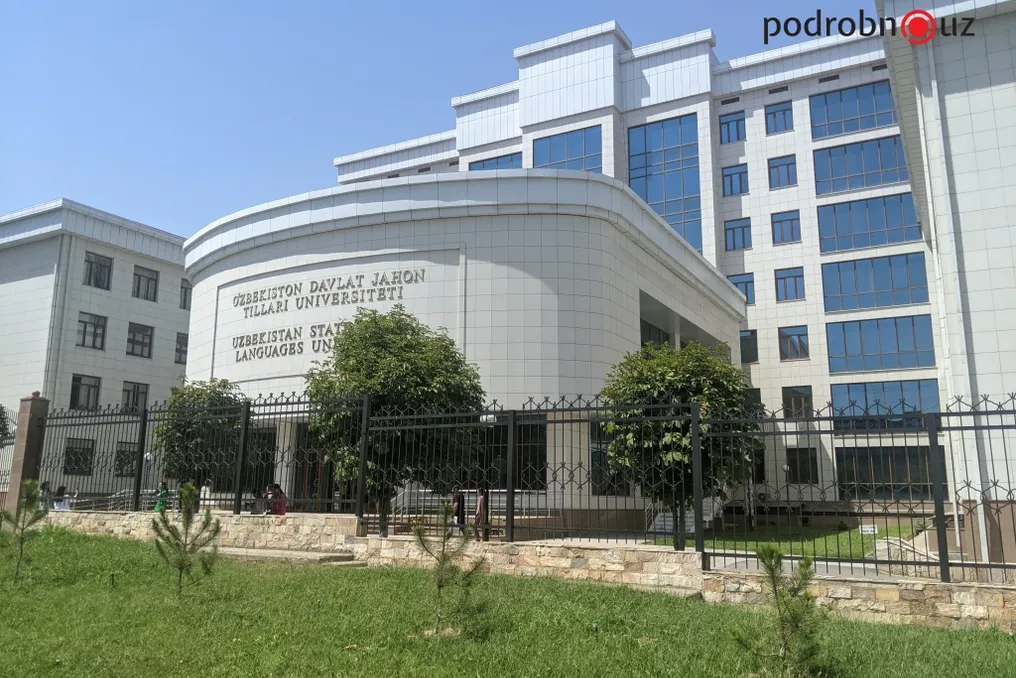
The Ministry of Internal Affairs press service did not provide comments regarding the incident in response to the publication's request. It should be noted that previously, in connection with this same scandal involving the installation of 'Havfsiz Talaba' at the Uzbek State University of World Languages, the dean of the translation faculty, Ulugbek Yuldashev, was dismissed from his position.
Similar stories

Dean of Uzbek State University of World Languages Fired After 'Havfsiz Talaba' App Scandal
Read more
podrobno.uz

Dean of Uzbek State University of World Languages Fired After 'Havfsiz Talaba' App Scandal

Ulugbek Yuldashev, the dean of the Faculty of Translation at the Uzbek State University of World Languages, was dismissed following an incident related to the 'Havfsiz Talaba' application. The scandal arose after students claimed they were denied access to classes unless they installed this program on their personal smartphones.

The dismissal of Ulugbek Yuldashev was confirmed by the university rector Ilhomjon Tukhtasinov and the rector's advisor on information policy Otabek Ibragimov. Information about the dismissal became public on November 3.

Administrative Requirements and Student Reaction

Students from USGUMY and the University of World Economy and Diplomacy reported that the administration and tutors insisted on installing the application both upon entering the educational institutions and during lectures. In some cases, students were given only ten minutes to download the program, which led to the suspension of the lecture until all attendees complied with this requirement.

Specifically, at USGUMY, students were stopped upon entering the campus, and those who were late due to this procedure were marked absent. Deans, their deputies, and tutors were also present in the classrooms during lessons, urging students to install the specified application.

Similar requirements were documented by students at the University of World Economy and Diplomacy over approximately two weeks.

Reaction of Government Bodies

The Ministry of Higher Education, Science, and Innovation announced the start of an investigation into the received reports and formed a working group to study the situation. The department noted that the educational process must proceed without interruption, and students' rights to education must be strictly observed.

Although the 'Havfsiz Talaba' application is positioned as a means of enhancing student safety, including an emergency call function via number 102, students raised questions about the legality of universities requiring the installation of such software on personal mobile devices.

The reasons for the dismissal of Ulugbek Yuldashev, Dean of the Faculty of Translation at USGUMY, and official comments from the university leadership in the published statement were not disclosed.

It should be noted that similar issues previously concerned the APK Qo‘riqchi application, which was offered to residents of Tashkent. In response to discussions about this issue, the Mirabad City Administration clarified that installing this program is voluntary, and meetings with the public are held solely for informational and explanatory purposes.

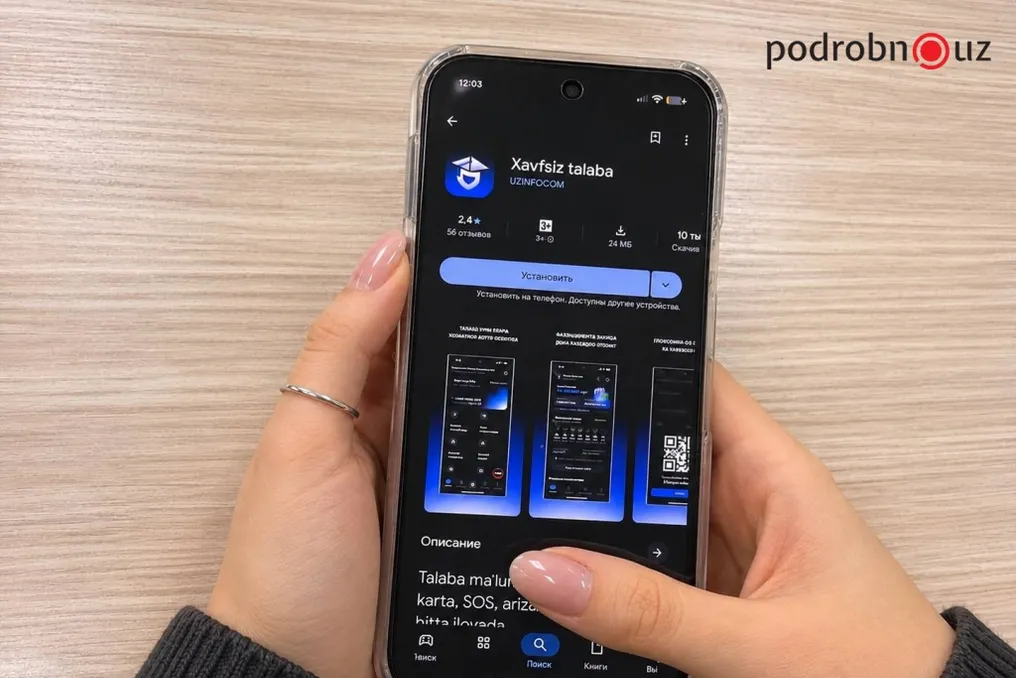
Tashkent universities are forcing students to install the 'Havfsiz Talaba' application
Read more
podrobno.uz

Tashkent universities are forcing students to install the 'Havfsiz Talaba' application

Students from the Uzbek State University of World Languages and the University of World Economy and Diplomacy report being compelled to install the 'Havfsiz Talaba' application at educational institutions in Tashkent. According to the students, the requirement to download this program is voiced both upon entering the universities and during classes, and those who refuse face reprimands. This situation has drawn public attention and sparked active discussion on social media.

A student from the Uzbek State University of World Languages stated that on November 3rd, they were stopped and asked to install the application upon entering the university. They added that those who were late for classes due to this procedure were marked absent. Furthermore, during lectures in classrooms, deans, their deputies, and tutors appeared, insisting on the program's installation, and those who refused were admonished.

Similar demands are also coming from students at the University of World Economy and Diplomacy. One student reported that for about two weeks, they have been asked to install this application, and on November 3rd, this demand was reiterated before the entire group.

Sources familiar with the matter confirm that students are indeed being asked to install the application. The reason given is the 'necessity to ensure their safety and protect them from possible threats.' However, the students question the legality of such requirements, raising questions about the right of universities to dictate the installation of programs on personal mobile devices and the possibility of punishing those who disagree.

The functionality of the 'Havfsiz Talaba' application is largely similar to the existing HEMIS system, which allows students to view schedules, receive academic information, and make contract payments. The key difference in the new application is the feature for quickly calling emergency services via the number 102.

This situation draws parallels with a previous case involving the APK Qo‘riqchi application, which was previously offered to residents of Uzbekistan. In September 2026, residents of a mahalla in the Mirabad district of Tashkent expressed concern about an upcoming meeting with prevention inspectors. According to available information, law enforcement agencies planned to gather residents in the yard to assist with the application installation. Residents were also wary of the necessity of attending the meeting and downloading the program, which raised questions about personal data confidentiality.

At the Mirabad district hokimiyat, it was explained at the time that installing APK Qo‘riqchi was voluntary, and meetings were held solely for informational and explanatory purposes. In October, a video appeared on social media where a high school student from Tashkent described how she was stopped by people who identified themselves as National Guard employees. According to her, she was asked to scan a QR code and install APK Qo‘riqchi, after which she was photographed with her phone. This post triggered a discussion about the voluntariness of installation and the grounds on which employees offered the program to minors, although no official response was provided on this issue.

Popular