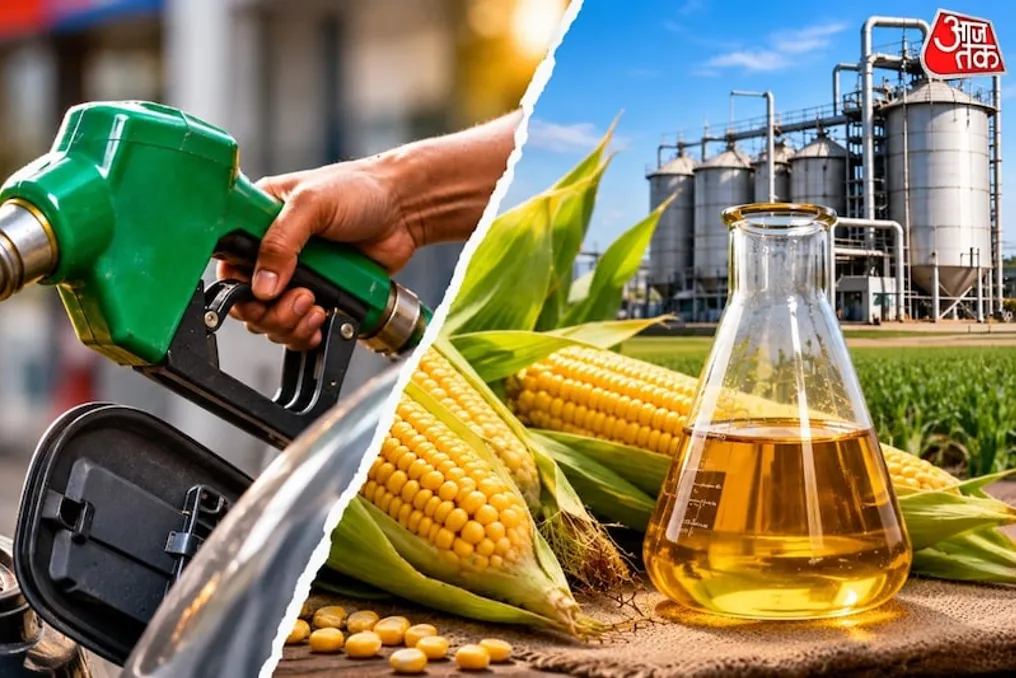
El Niño worsens monsoon, leading to reduced ethanol content in gasoline
Read more
Aaj Tak
www.aajtak.in

El Niño worsens monsoon, leading to reduced ethanol content in gasoline

The ambitious program of the Indian government to reduce dependence on imported oil has encountered a serious obstacle. This year, monsoon rains were the lowest in the last decade. Due to El Niño, precipitation decreased by approximately 13%, negatively affecting the harvests of corn and sugarcane. The shortage of these crops caused a sharp rise in their prices.

Prices for corn and sugar increased by almost 40%, while the price of rice rose by 20%. Retail food inflation reached 7.74% in September, compared to 5.97% in the previous month. In light of this situation, New Delhi restricted the use of sugar and corn to ensure food security. Consequently, the share of ethanol in gasoline may decrease from the current 20% to 15%.

The E-20 program, a vital part of Prime Minister Narendra Modi's energy strategy, mandates mixing 20% ethanol into gasoline. According to government data, this program has saved about 2 trillion rupees, equivalent to US$21.1 billion, on oil imports since 2014. Previously, the annual savings at a 20% blending level were estimated at 430 billion rupees. India achieved this goal about five years ahead of schedule, but now the achieved target is threatened due to raw material shortages.

Industry experts believe that the ethanol blending level may remain between 15–17% this year. This reduction will mainly depend on corn prices. G.K. Sud, Chairman of K.N. Agri Resources and an expert on food policy, noted that since India is the most populous country in the world, priority should be given to food rather than fuel during drought years.

Several companies have increased their production capacity to approximately 20 billion liters per year by taking significant loans to boost ethanol production. However, the reduction in blending levels creates a problem of excess capacity. Four manufacturers, who wished to remain anonymous, reported expecting a blending level in the range of 15–17%.

Last month, the government instructed refineries not to purchase sugar-based ethanol in the new supply season. Furthermore, the procurement price for corn-based ethanol was reduced from 71.86 rupees per liter to 68.86 rupees per liter, putting further pressure on distilleries' margins. Producers are now resorting to damaged grains, raising concerns about the availability of animal feed. Corn production this year is projected to fall by 15% compared to a record 55 million metric tons. Farmers affected by drought cannot increase corn plantings in winter due to water scarcity.

Food inflation is an extremely sensitive political issue. Elections for legislative assemblies will take place in several states, including Uttar Pradesh, at the beginning of 2027, and Uttar Pradesh is considered a barometer of national politics. The Bharatiya Janata Party (BJP) failed in the 2024 elections there. The E-20 program was already controversial. motorists and some automakers worried about fuel efficiency and engine wear. Following public reaction, the government stated that there were no plans to increase the blend above 20%. Rice stocks are available as an alternative raw material, but the government has to sell it to ethanol producers at nearly half the price, which increases costs.

This situation demonstrates how climate change and weather unpredictability can affect energy policy. In good monsoon years, India achieved its goal by increasing ethanol blending fourfold, but a poor monsoon has set the entire program back. Increased dependence on imported crude oil will also increase the risk of energy price fluctuations amid geopolitical uncertainty. Experts believe that in the long term, focus must be placed on developing alternative raw materials, improving water resource management, and diversifying agricultural crops.

Currently, the government's stance is clear: food will take precedence over fuel. This will bring relief to ordinary citizens but will harm the goals of the ethanol industry and oil import savings. In the coming months, it is important to monitor the availability of corn and sugar, as well as government policy. This incident underscores the need for climate adaptation on the path to self-sufficient energy policy.

Similar stories

Experts predict 55% growth in Vedanta Aluminium shares after a 30% drop over six months
Read more
www.aajtak.in

Experts predict 55% growth in Vedanta Aluminium shares after a 30% drop over six months

Shares of Vedanta Aluminium showed a significant decline on Thursday following the release of financial results. Despite this correction, brokerage firms maintain a very positive outlook on the stock and recommend buying it.

Analysts suggest that the asset is capable of showing impressive growth, potentially increasing by 55%. They noted that strong sales volume supported profits in the second quarter, despite low aluminum prices. Furthermore, an improvement in price competitiveness is expected due to backward integration in the supply chain and an increase in the share of value-added products (VAP).

According to experts, cost reduction and expansion of production capacity may contribute to improved profit figures. On Thursday, Vedanta's stock traded at 348.75 rupees per share, falling by 2.91%. Over the last month, it lost 20%, and over six months, it has fallen by 30%.

In the current quarter, Vedanta Aluminium reported an 118% year-on-year increase in adjusted net profit, reaching 5167 crore rupees. Revenue also increased by 41% year-on-year, totaling 22,066 crore rupees. Even with lower LME prices, EBITDA in the second quarter of September reached 10,000 crore rupees, which is 83% higher compared to the previous year, and the EBITDA margin was 46%.

Following the release of the reports, Investec and MK Global set the highest target price for Vedanta Aluminium at 550 rupees, implying a possible increase of 55%. The lowest target price from Ambit Capital was 365 rupees, which still indicates a potential growth of 5%.

MOFSL emphasized that VAML presented good quarterly financial results supported by strong trading volume. VAML's long-term growth story remains relevant as it includes ongoing backward supply chain integration, growing VAP contribution, and gradual expansion, aligning with strong domestic demand forecasts. Motilal Oswal set a target of 480 rupees per share for Vedanta Aluminium and reaffirmed its BUY rating.

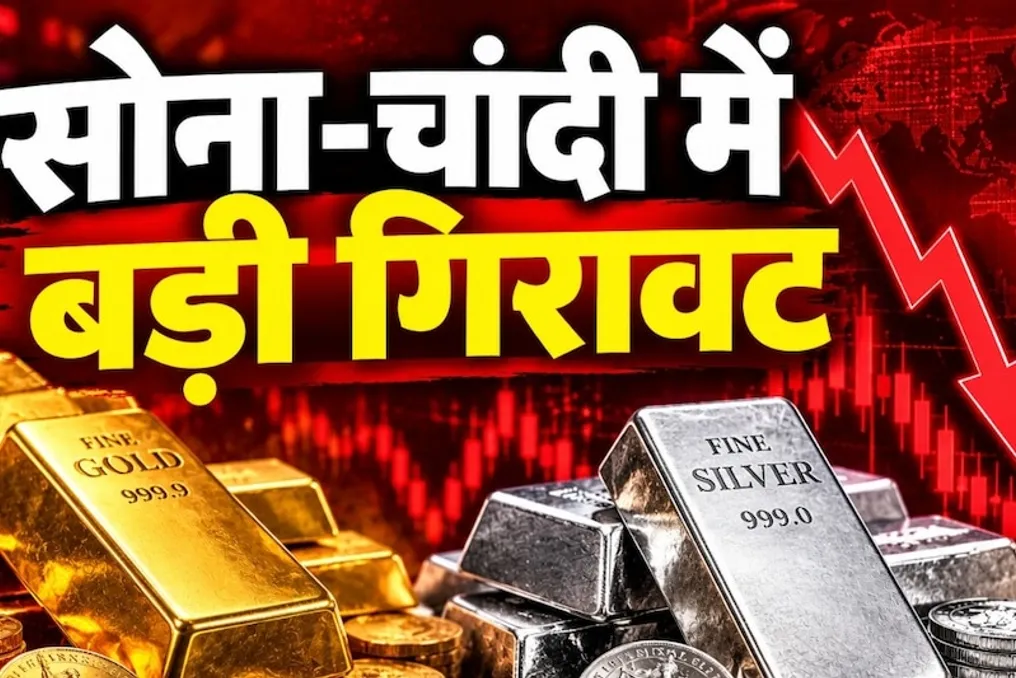
Sharp drop in gold and silver prices: silver fell to 200 thousand rupees, gold also got cheaper
Read more
www.aajtak.in

Sharp drop in gold and silver prices: silver fell to 200 thousand rupees, gold also got cheaper

The commodity market is witnessing a significant decline in the prices of gold and silver, considering December futures. At 20:00 trading time, the price of silver futures dropped by approximately 8000 rupees, while the price of gold decreased by 2500 rupees.

Such a sharp drop in gold and silver prices on MCX is usually not observed on ordinary days, but it happened suddenly on Thursday. It is expected that this decrease in gold and silver futures may affect the Indian market on Friday.

On MCX on Thursday, the price of 10 grams of gold fell to 143,600 rupees, and the price of silver based on December futures decreased by approximately 8300 rupees, reaching the mark of 250,000 rupees. This decline is occurring not only in India but also globally.

In the global market, the price of gold fell by 1.82% and is trading at $4074.37 per ounce. Silver also showed a substantial drop, losing more than 4% and settling at $55.408 per ounce.

The main reasons cited for such a sharp decline are the rise in crude oil prices, inflation concerns, and the likelihood of maintaining high interest rates in the US. Despite increased tension in the Middle East, gold has not received sufficient support as a safe-haven asset due to three key factors.

Firstly, there is the surge in crude oil prices. Following tensions in Houthi territory, the conflict spread to Saudi Arabia, where the Houthis launched a series of attacks. Furthermore, the closure of the Red Sea route hinders the supply of Saudi oil to the market. As a result, crude oil prices exceeded $112 per barrel.

Secondly, there are concerns regarding the Federal Reserve's rate. The market expects the Fed to keep rates unchanged at the October meeting, but there is a possibility of a rate hike in December.

Thirdly, there is the rise in US Treasury bond yields. The yield on two-year US Treasury bonds reached a weekly high, making income-generating instruments like bonds more attractive to investors and putting pressure on gold.

Popular