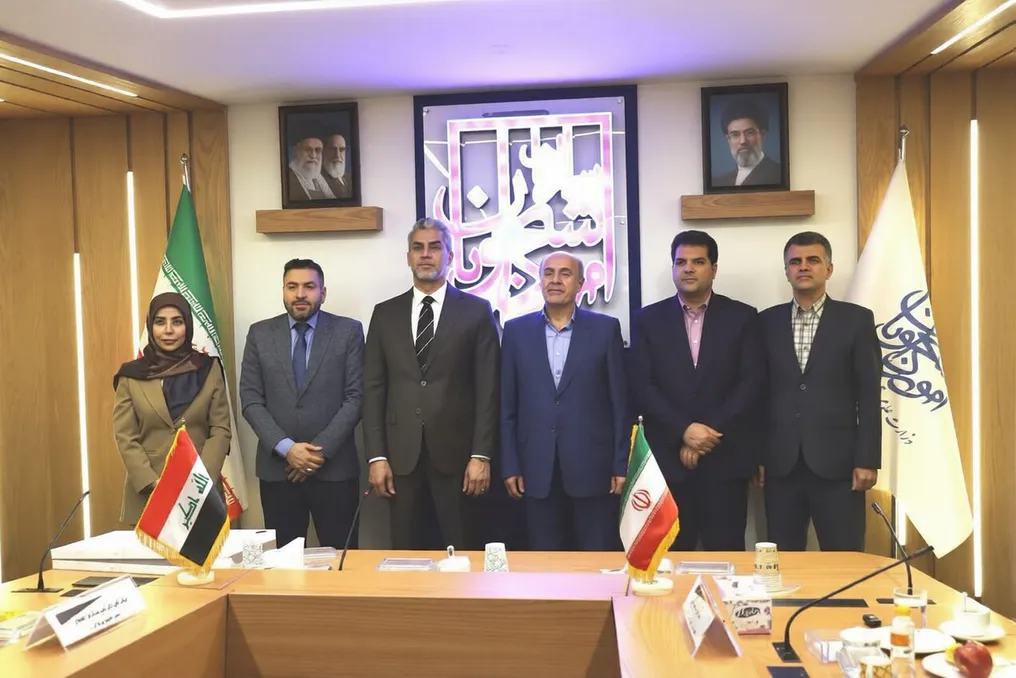
Tehran and Baghdad to Implement Mutual Study Program for Students
Read more
Tehran Times
www.tehrantimes.com

Tehran and Baghdad to Implement Mutual Study Program for Students

Iran and Iraq are set to begin implementing a memorandum providing mutual scholarships for students from both countries to expand educational cooperation.

Under this agreement, Iraq will provide 200 scholarships annually to Iranian students, while Iran will offer 100 scholarships to Iraqi students per year. This was reported by the Iraqi ambassador in Tehran, Yasser Abdul-Zahra Al-Hajjaj, citing IRNA.

These statements were made by the official during a meeting with Said Khabiba, head of the Students' Organization, on Monday. He also highly praised the Students' Organization's efforts in addressing the issues of Iraqi students studying at Iranian universities.

For his part, Khabiba emphasized the high academic level of Iranian higher education, which ranks 15th-16th globally. He noted that scholarships would be awarded to Iraqi students who achieved the highest scores on secondary school certificate exams (such as mathematics and geometry for engineering specialties).

If the first year proves successful, the number of scholarships will be increased in subsequent years. Selected students will have the opportunity to study at leading Iranian universities.

The official also stressed the necessity of knowing Persian for attracting foreign students, stating that Iraq could utilize Iranian Persian language instructors to conduct courses for Iraqi students and facilitate their stay in Iranian educational institutions.

Regarding the difficulties faced by international students, including Iraqis, the official stated that they have until December 2nd to upload documents to resolve accumulated issues.

Fostering Academic Ties

Iranian and Iraqi officials discussed ways to strengthen scientific and academic cooperation, promote the exchange of specialized experience, and expand partnerships between the universities and research institutes of the two countries.

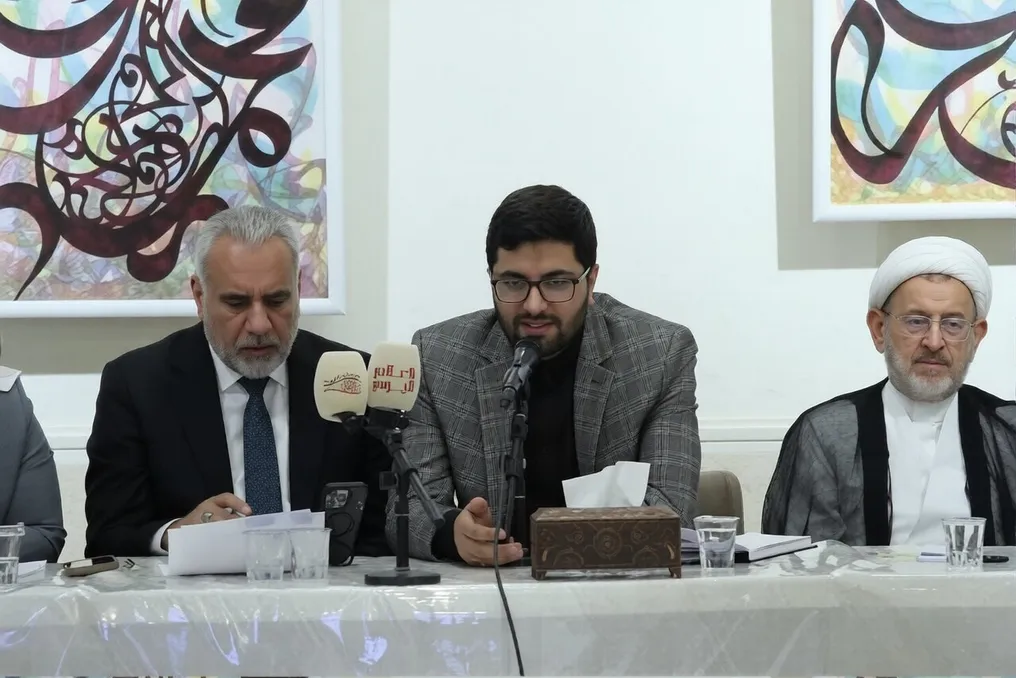
The discussions took place during an academic session titled 'Horizons of Scientific and Professional Development,' organized by the Association of Iraqi Graduates of Iranian Universities in Baghdad. The meeting was attended by Iran's scientific advisor in Iraq, Mohammad Jawad Najafi, the head of Iraq's Center for Strategic Affairs, Salah Bushi, as well as several Iraqi graduates of Iranian universities.

The session provided an opportunity to explore paths toward closer academic interaction and the exchange of scientific and professional experience. Speaking at the event, Najafi characterized Iraqi graduates from Iran as valuable personnel playing a key role in developing scientific and technological cooperation, creating joint research projects, and exchanging knowledge between the two states.

He called on graduates to maintain constant contact with their home universities in Iran. For his part, Bushi spoke about the importance of Iranian university graduates for Iraq's scientific and professional progress. He emphasized that the value of higher education is demonstrated in the ability to solve problems, increase organizational productivity, and serve society, noting that obtaining an academic degree is a starting point for developing competencies and acquiring professional skills.

The official also deemed it necessary to utilize the scientific achievements of universities in major research projects and highlighted the need to enhance synergy between the higher education system, labor market demands, and national development priorities. Furthermore, Iraqi students shared their views and expressed concerns regarding postgraduate education, offering some ideas.

On October 20th, the Iraqi ambassador to Iran, Yasser Abdul-Zahra Al-Hajjaj, emphasized that scientific cooperation between the two countries must go beyond student enrollment and include joint research, the exchange of professors and researchers, and stronger technological links. He made these remarks during a speech at a national festival held at the Iran University of Science and Technology.

Referring to significant progress in bilateral scientific relations, Al-Hajjaj reported that thousands of Iraqi students study in over 80 Iranian universities, pursuing medical and non-medical specialties across the country. The past two weeks of Iranian and Iraqi science brought together more than 70 or 80 rectors from both nations, and over 250 memorandums of understanding were signed, indicating a positive experience in expanding scientific cooperation.

The official noted that the establishment of a branch of Tehran Medical University in Iraq has contributed to stabilizing academic relations between Iran and Iraq more than ever before. He added that branches of Tehran University will soon be opened in Karbala and Najaf, and he expressed hope for the opening of branches of Sharif University of Technology and Iran University of Science and Technology in Iraq.

According to the official, Iraq is expanding its educational and research infrastructure, and with the increase in local universities, most Iraqi students will likely study at home. Considering that 85 percent of Iraqi students in Iran are employees who, according to new Iraqi legislation, will face challenges studying abroad, the official suggested viewing this situation as an opportunity rather than a threat to revise the model of scientific interaction between the parties. Otherwise, a probable decrease in the number of Iraqi students in Iran could create new difficulties.

The Iraqi official called for the implementation of joint research projects in fields such as medicine, agriculture, sand and dust, oil, gas, and new technologies like artificial intelligence. The development of joint educational courses and joint supervision of dissertations were among other issues raised by Al-Hajjaj.
Similar stories

Tehran and Baghdad Discuss Ways to Deepen Academic and Scientific Cooperation
Read more
www.tehrantimes.com

Tehran and Baghdad Discuss Ways to Deepen Academic and Scientific Cooperation

Officials from Iran and Iraq held discussions aimed at strengthening academic and scientific interaction, stimulating the exchange of specialized experience, and expanding partnerships between universities and research institutions of the two countries.

These discussions took place during an academic session titled 'Horizons of Scientific and Professional Development,' organized by the Association of Iraqi Graduates of Iranian Universities in Baghdad.

The meeting was attended by Mohammad-Javad Najafi, an Iranian scientific advisor in Iraq, Salah Bushi, head of the Iraqi Center for Strategic Affairs, as well as several graduates of Iraqi universities who studied in Iran.

The session provided an opportunity to explore options for closer academic cooperation and the exchange of scientific and professional experience.

Speaking at the event, Najafi noted that Iraqi graduates from Iran are valuable assets playing a key role in developing scientific and technological cooperation, creating joint research projects, and exchanging knowledge between the two states. He urged these students to maintain constant contact with their home universities in Iran.

For his part, Bushi elaborated on the significance of graduates from Iranian universities for Iraq's scientific and professional progress. He emphasized that the value of higher education lies in the ability to solve problems, increase organizational productivity, and provide services to society, adding that obtaining an academic degree is a starting point for forming competencies and acquiring professional skills.

This official also stated the necessity of utilizing university scientific achievements in large research projects and highlighted the importance of strengthening synergy between the higher education system, labor market demands, and national development priorities.

Furthermore, Iraqi students shared their views, expressed concerns regarding post-graduation issues, and proposed several recommendations.

On October 20, the Iraqi ambassador to Iran, Yasser Abdulzahra Al-Hajjaj, stressed that scientific cooperation between the two countries must go beyond student enrollment and include joint research, the exchange of professors and scientists, and the strengthening of technological ties. According to him, universities serve not only as educational centers but also as bridges for dialogue and expertise exchange among scientists from different countries, particularly Iran and Iraq.

He made these remarks during a speech at the National Festival held at the Iranian University of Science and Technology. Al-Hajjaj noted significant progress in bilateral scientific relations, reporting that thousands of Iraqi students study in over 80 Iranian universities in medical and non-medical fields.

The past two weeks of Iran-Iraq science brought together more than 70 or 80 rectors from both nations, and over 250 Memoranda of Understanding (MOUs) were signed, indicating a positive experience in expanding scientific cooperation.

The ambassador also stated that the opening of the Tehran University Medical School branch in Iraq has contributed to stabilizing and advancing academic relations between Iran and Iraq more than ever before. He expressed hope for the soon opening of branches of Tehran University, as well as Sharif University of Technology and the Iranian University of Science and Technology in Iraq.

According to the official, Iraq is expanding its educational and research infrastructure, and with the increase in local universities, most Iraqi students will prefer to study at home. Given that 85 percent of Iraqi students in Iran are employees who, according to new Iraqi legislation, will face difficulties studying abroad, he suggested viewing this situation as an opportunity rather than a threat to revise the model of scientific interaction between the parties, otherwise, a potential decrease in the number of Iraqi students in Iran could create new problems.

The Iraqi official called for the implementation of joint research projects in areas such as medicine, agriculture, sand and dust, oil, gas, and new technologies like artificial intelligence. Other issues raised by Al-Hajjaj included the development of joint curricula and joint supervision of dissertations.

On October 18, Najafi and Haydar Abd Dahed, Deputy Minister of Higher Education and Scientific Research of Iraq, discussed ways to strengthen academic cooperation between the universities of the two countries, focusing on problem-solving approaches and meeting domestic and regional needs. The main topics of the meetings were cooperation in problem-oriented research, provision of scholarships, easing educational matters for students, and preparation for the 'Third Week of Iran-Iraq Science.'

Iran opens its universities to Azerbaijani girls facing hijab restrictions
Read more
www.tehrantimes.com

Iran opens its universities to Azerbaijani girls facing hijab restrictions

Iran has invited girls from Azerbaijan to pursue higher education in Iranian universities amid restrictions on head coverings in neighboring country's schools.

The Iranian Minister of Science, Research and Technology, Hossein Simai-Sarraf, announced in a video message published on Thursday that Iranian universities are ready to accept Azerbaijani girls who wish to continue their studies while adhering to the religious dress code.

Simai-Sarraf stated: 'As the Minister of Science of the Islamic Republic of Iran, I declare that the doors of Iranian universities are open to girls from Azerbaijan who want to receive an education.' He added that 'we can be good hosts for the pious daughters of the Holy Prophet who are forced to give up their religious hijab in order to realize the right to education.'

This invitation comes against the backdrop of measures introduced by Azerbaijani authorities restricting additional clothing that contradicts established school uniforms or secular educational principles. Although the rules do not explicitly mention the hijab, videos circulating online indicate that they are aimed specifically at headwear.

Earlier this month, the Baku Department of Education announced inspections to monitor compliance with these measures among students and teachers. These restrictions have drawn criticism on social media, where users have labeled them as religious discrimination against the country's Muslim majority. Furthermore, these measures have sparked protests; some teachers reported that schools demanded they remove their hijabs or resign.

Popular