McKinsey expands its presence in Uzbekistan and Central Asia
Read more
UzDaily
uzdaily.uz

McKinsey expands its presence in Uzbekistan and Central Asia

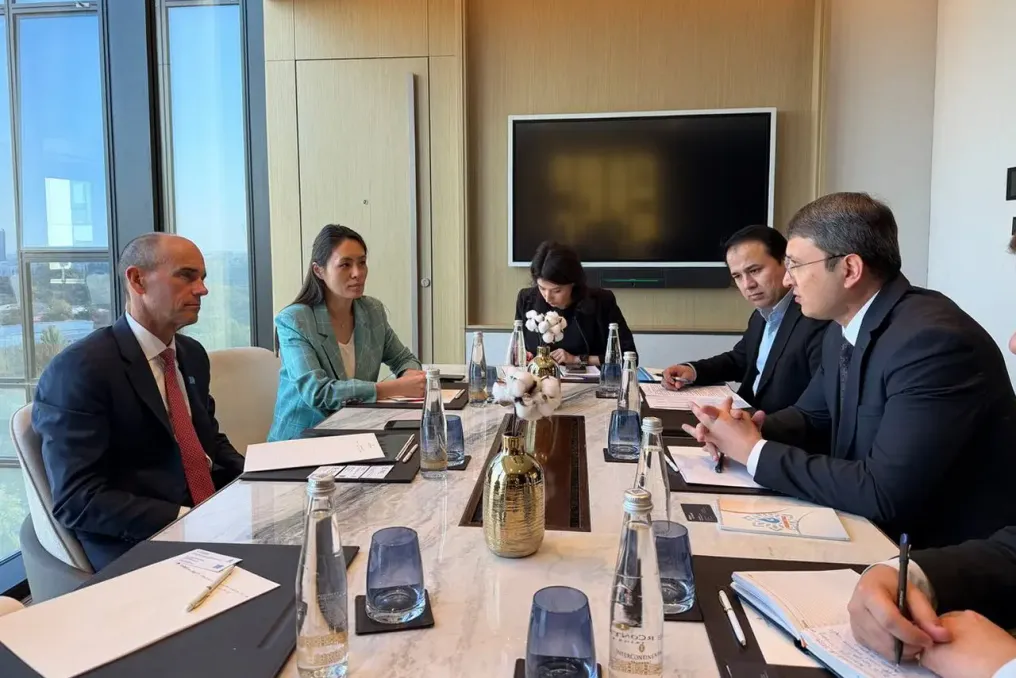
The international consulting firm McKinsey & Company plans to increase its activities in Central Asia, with a particular focus on business development in Uzbekistan.

As part of this initiative, the company's Global Managing Partner, Bob Sternfels, visited Tashkent. Since 2013, McKinsey has been collaborating with public, private, and civil organizations across Central Asia.

During this period, the company has formed a regional team that combines deep knowledge of local markets with McKinsey's international experience spanning over 65 countries worldwide.

Discussion of Uzbekistan's Development Prospects

During his visit, Sternfels and regional leaders held meetings with representatives of the government, the business community, clients, and employees. They discussed Uzbekistan's development prospects, including opportunities in the energy, mining, financial services, and digital infrastructure sectors. Special attention was paid to training qualified specialists.

Sternfels noted that Uzbekistan is among the economies undergoing the most extensive transformations. He emphasized the company's interest in further expanding operations in the country, strengthening the local team, and nurturing future McKinsey leaders in Tashkent.

New Leadership and Partners

The responsibility for leading McKinsey's operations in Uzbekistan has been entrusted to Senior Partner Semen Yakovlev. Based in Tashkent, he will oversee strategic business development and the execution of client projects.

Yakovlev has over twenty years of experience working in South Korea, China, Japan, and Southeast Asia. Before his appointment, he headed the Asia Strategy and Corporate Finance practice at McKinsey.

Partners Dulatbek Ikbaev and Ermolai Solzhenitsyn will also participate in the company's business development in Uzbekistan. Ikbaev has consulted state bodies, financial institutions, and large enterprises in Central Asia for over ten years on socio-economic development and transformation issues.

Solzhenitsyn, a Senior Partner at McKinsey, has over 20 years of experience implementing strategy and transformation projects in the metallurgical, mining, energy, and transport industries.

Priorities and Training Programs

Yakovlev stated that the company intends to focus, in particular, on the professional growth of young specialists and continuing work with leading Uzbek companies. He added that the country's growing young population presents additional opportunities for social and economic progress.

Advanced technologies and artificial intelligence are priorities for McKinsey in Uzbekistan. The company plans to utilize the expertise of its QuantumBlack division, which is McKinsey's AI focus area, in this field.

Another emphasis will be placed on enhancing professional skills in response to changing labor market demands. Specifically, the company plans to continue implementing its global educational program, Forward.

According to McKinsey, this program has been completed by over 1,500 young specialists from Central Asia and approximately 290,000 people worldwide. Participants acquire practical skills demanded by the modern labor market.
Similar stories

Fergana Region Plans Jewelry Production Expansion Through Joint Venture with Baku Oltin
Read more
uzdaily.uz

Fergana Region Plans Jewelry Production Expansion Through Joint Venture with Baku Oltin

Jewelry production in the Fergana region of Uzbekistan is preparing for expansion thanks to the development of the Baku Oltin joint venture.

Discussion of Expansion Plans

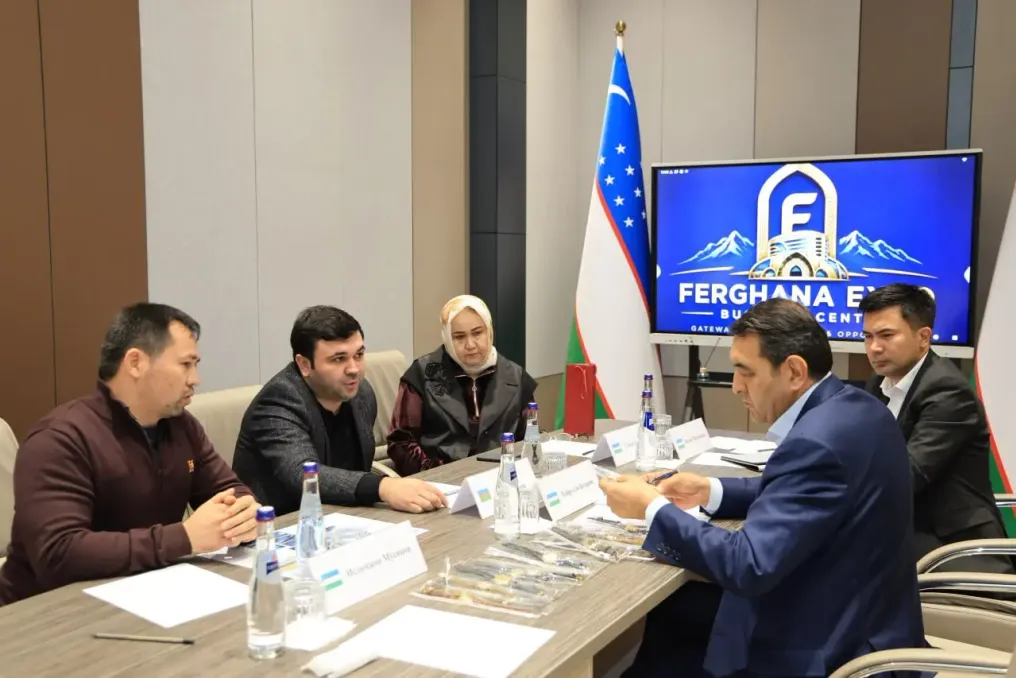
Prospects for implementing this project were discussed at a meeting between the Governor of the Fergana Region, Khayrullo Bozorov, and Mushfig Ibragimzade, the company founder and Turkish investor.

The parties reviewed various plans aimed at increasing production volumes, expanding product assortment, and further developing the enterprise.

It is reported that Baku Oltin currently produces goods that substitute imports and are in demand in the domestic market.

The company's future intentions include introducing new types of jewelry, increasing production capacity, creating additional jobs, and establishing export supplies.

Khayrullo Bozorov stated that the regional administration is ready to support mutually beneficial investment projects and provide practical assistance in implementing the planned initiatives.

Uzbekistan plans to expand the Technochim petrochemical cluster in Bukhara region
Read more
uzdaily.uz

Uzbekistan plans to expand the Technochim petrochemical cluster in Bukhara region

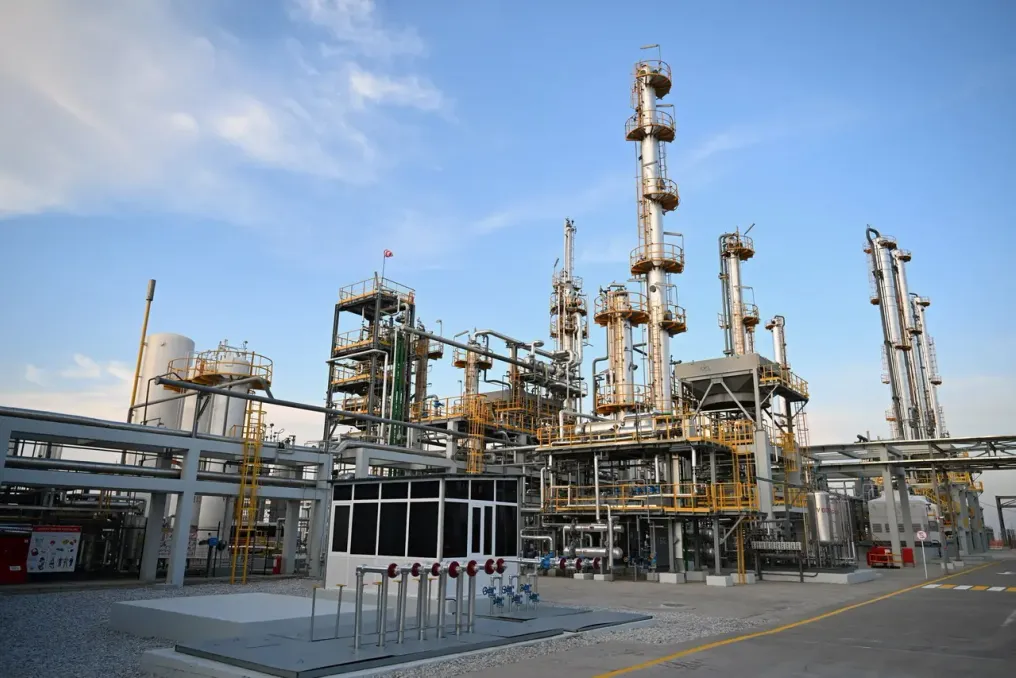
Uzbekistan intends to invest 292 million US dollars in the expansion of the Technochim petrochemical cluster located in the Bukhara region. This project will increase the plant's annual raw material processing capacity by 400,000 tons and create 700 new jobs.

The plans were announced during the visit of President Shavkat Mirziyoyev, who inspected the complex's production facilities in the Bukhara district, studying its current output and development plans.

Technochim specializes in the processing of oil, gas condensate, naphtha, methanol, and pyrolysis distillate. It is the only similar complex in Uzbekistan. Currently, the enterprise occupies an area of 69 hectares and employs about 500 people.

Existing capacities allow for the annual processing of 100,000 tons of pyrolysis distillate, as well as 160,000 tons of naphtha and gas condensate. In addition to fuel, the cluster produces materials for the chemical industry; for example, its octane booster is used to improve gasoline characteristics, and solvents are used in the production of paints, varnishes, adhesives, and household chemicals.

The next stage of the complex's development is planned to be completed by the end of 2028. The investment project worth 292 million dollars provides for the processing of gas condensate and naphtha, as well as the production of aromatic hydrocarbons and solvents. After the expansion is complete, the total annual capacity of the facility will increase by another 400,000 tons.

The expansion will require attracting additional qualified workers. Mirziyoyev emphasized the need to strengthen ties between the vocational education system and regional enterprises. Among the sought-after specialists are process technologists, engineers, chemists, and laboratory personnel.

According to export plans, Technochim plans to supply about 180,000 tons of petrochemical products, motor gasoline, and diesel fuel annually to Kazakhstan, Kyrgyzstan, Tajikistan, Turkmenistan, Afghanistan, and European Union countries. Furthermore, the enterprise is negotiating with foreign partners on a project to process 150,000 tons of liquefied gas between 2028 and 2030.

Following the visit, the president gave recommendations regarding increasing the export potential of the petrochemical cluster and training specialists for new production capacities.

Uzbekneftegaz and McKinsey Discuss Long-Term Development Strategy for National Company
Read more
uzdaily.uz

Uzbekneftegaz and McKinsey Discuss Long-Term Development Strategy for National Company

The state oil and gas company of Uzbekistan, Uzbekneftegaz, held discussions on the long-term development strategy with the international consulting firm McKinsey & Company.

Tashkent, Uzbekistan (UzDaily.uz)

The discussions took place during a meeting between Sukhrob Khamrayev, Deputy Chairman of the Board of Uzbekneftegaz, and Bob Sternfels, Global Managing Partner at McKinsey. The parties reviewed various approaches to defining the company's strategic priorities, as well as the potential application of international experience in developing a long-term development plan.

Particular attention was paid to the need for clearly defining Uzbekneftegaz's strategic goals in the context of global changes in the oil and gas industry. Furthermore, the negotiations discussed methods for more effectively utilizing the company's existing potential, taking into account factors of sustainable long-term development.

The discussions focused on forming strategic guidelines that reflect transformations in the global energy landscape and the future prospects of the oil and gas sector.

Popular