Uzbekistan and UNDP to discuss climate partnership at COP31
Read more
UzDaily
uzdaily.uz

Uzbekistan and UNDP to discuss climate partnership at COP31

Uzbekistan and the United Nations Development Programme (UNDP) plan to discuss expanding climate cooperation and attracting investments into projects aimed at increasing the country's resilience at the 31st Conference of the Parties to the UNFCCC (COP31).

Strategic Climate Partnership between Uzbekistan and UNDP: From Commitments to Investments and Resilience

The thematic event titled 'Strategic Climate Partnership between Uzbekistan and UNDP: From Commitments to Investments and Resilience' is scheduled for November 11, 2026, at the National Pavilion of Uzbekistan in Antalya, Turkey. The discussions will focus on the implementation of Uzbekistan's national climate commitments under the Paris Agreement, specifically the third Nationally Determined Contribution (NDC 3.0).

Participants will also examine ways to strengthen institutional capacity, develop climate financing mechanisms, and prepare projects capable of attracting investment. Special attention will be paid to Uzbekistan's initiative to interact with the Loss and Damage Fund (FRLD).

It is expected that participants will discuss Uzbekistan's participation in the Climate BRIDGE initiative as one of the first pilot countries with UNDP support. The Climate BRIDGE program aims to transform the climate commitments set out in NDC 3.0 into concrete investment projects and form a corresponding portfolio of such projects.

Close attention will be given to developing National Adaptation Plans and strengthening the resilience of the most vulnerable areas and communities, including the population living in the Aral Sea region. The event is expected to gather representatives from Uzbek state bodies, UNDP, international financial institutions, and partner organizations.

The session will present the results and priorities of cooperation, explore opportunities for mobilizing funds through FRLD, and discuss the prospects of using Climate BRIDGE to prepare investment projects. The meeting is expected to help define future directions of interaction and practical steps for attracting climate finance and implementing projects aimed at enhancing Uzbekistan's resilience to climate change.
Similar stories

Uzbekistan and UNDP discuss expanding economic cooperation with Germany
Read more
uzdaily.uz

Uzbekistan and UNDP discuss expanding economic cooperation with Germany

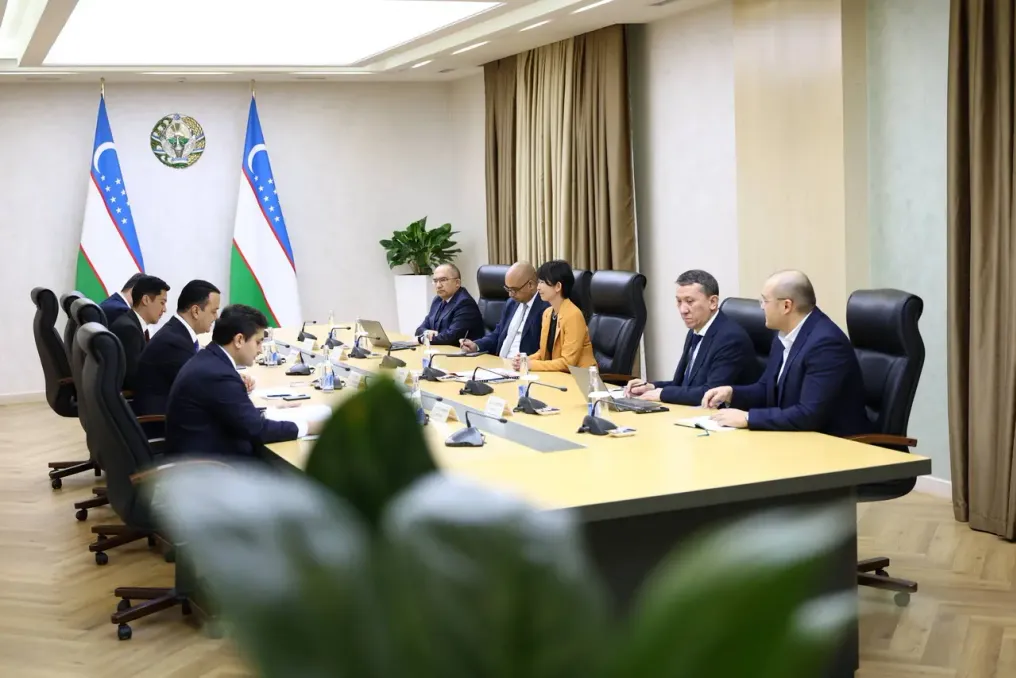
In Tashkent, Uzbekistan, a meeting took place between representatives of Uzbekistan and Germany to discuss increasing bilateral trade from 1.4 billion US dollars to 2 billion US dollars. The discussion was held at the Ministry of Investment, Industry and Trade of Uzbekistan with the participation of German Ambassador Matthias Vollerth.

The parties reviewed opportunities to strengthen trade, economic, and investment ties, as well as expand industrial cooperation and implement joint projects. Special attention was paid to developing interaction with leading German companies.

Currently, 253 enterprises with German capital operate in Uzbekistan. Furthermore, preparations for the upcoming visit of the delegation of the East Committee of the German Economy to Uzbekistan were discussed at the meeting.

The issue of the eighteenth meeting of the Intergovernmental Working Group on Trade and Investment, scheduled to take place in Berlin, was also addressed. Following the negotiations, both sides confirmed their interest in developing practical cooperation and strengthening business ties between the two countries.

UNDP and Uzbekistan Discuss Measures for Biodiversity Conservation and Climate Action
Read more
uzdaily.uz

UNDP and Uzbekistan Discuss Measures for Biodiversity Conservation and Climate Action

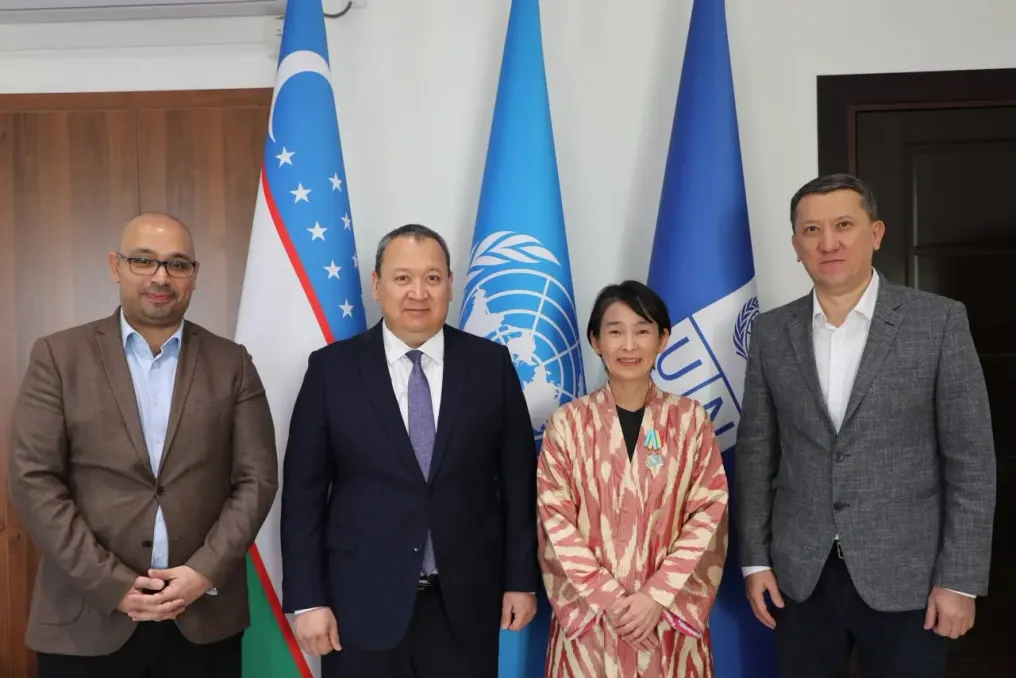
Akiko Fuji, the UNDP Representative in Uzbekistan, met with Jusipbek Kazbekov, Deputy Chairman of the National Committee on Ecology and Climate Change, to discuss cooperation in environmental protection, biodiversity conservation, and climate action.

The parties confirmed their intention to continue joint work in these areas. A key issue was the further development of joint projects for biodiversity conservation and ecosystem restoration following the 17th Conference of the Parties to the Convention on Biological Diversity (COP17), which took place in Armenia.

The discussion covered initiatives related to the wetlands of the Aral Sea region and the ECOLAND projects, as well as cooperation in implementing Uzbekistan's National Strategy and Action Plan for Biodiversity.

Particular attention was paid to the Aral Sea region, as protecting vulnerable wetlands, restoring degraded ecosystems, and sustainably managing land and water resources are of great importance for biodiversity conservation and enhancing the resilience of local communities.

Participants also discussed preparations for the COP31 climate conference, which will be held in Turkey, as well as opportunities to strengthen joint initiatives in climate action. Both sides expressed readiness to continue cooperation to achieve long-term results in environmental protection and improve the welfare of the population.

Uzbekistan and Kazakhstan strengthen cooperation within the air quality improvement project
Read more
podrobno.uz

Uzbekistan and Kazakhstan strengthen cooperation within the air quality improvement project

Uzbekistan and Kazakhstan are intensifying joint work under the initiative named 'Clean Air'. During the meetings, the parties focused on tasks related to improving atmospheric air quality and forming an Interstate Consortium.

Uzbekistan, Tashkent – AN Podrobno.uz.

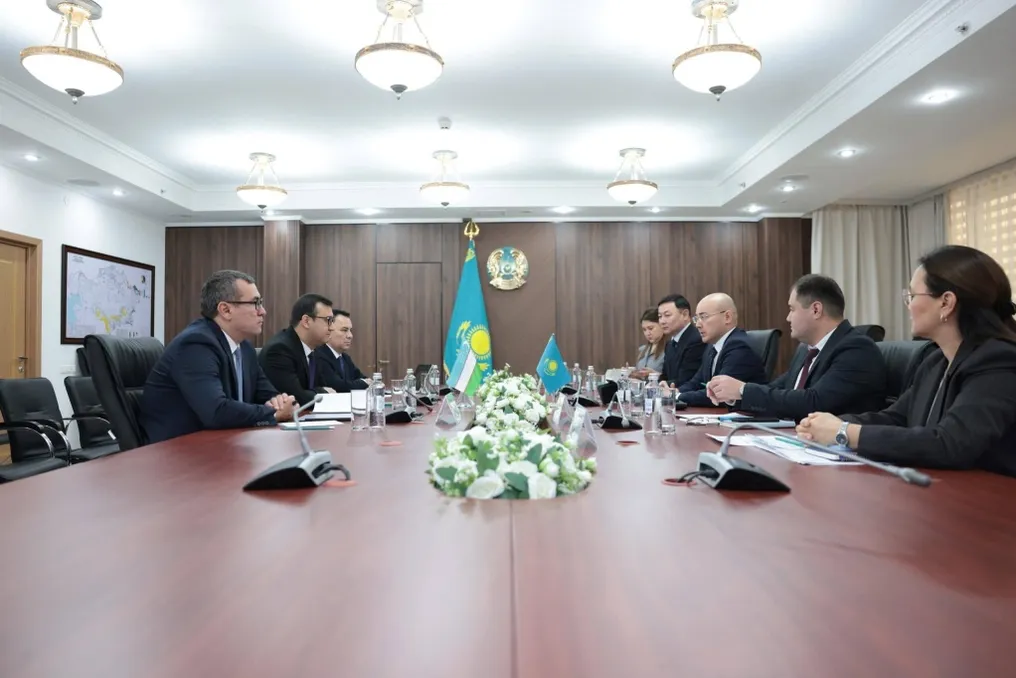
Working groups held a meeting on October 23 in Astana. The delegation from Uzbekistan was headed by Iskandar Kutbiddinov, Deputy Chairman of the Committee, and included specialists from the National Center for Climate Change, the Hydrometeorological Agency, and the Scientific Research Hydrometeorological Institute. The Kazakh delegation was represented by Minister of Ecology and Natural Resources Alibek Kuantyrov.

The discussion covered deepening interaction in the field of atmospheric air protection, improving monitoring systems, and jointly analyzing transboundary pollution sources. Significant attention was paid to the idea of creating the 'Clean Air' consortium as a tool for coordinated actions.

Participants emphasized the importance of developing an action plan for the period from 2026 to 2030 and establishing an operational exchange of data obtained from monitoring. Implementing the reached agreements will help increase the effectiveness of environmental information exchange and form unified approaches to combating transboundary pollution.

Furthermore, as part of the national 'Clean Air' program, a permanent ban on the construction of new industrial zones is being introduced in Tashkent starting April 1, 2026. The only exception to this rule applies to territories designated for the service and financial sectors.

Popular