
Macao and Hong Kong recorded the hottest October in observation history
Read more
Noticias ao Minuto
noticiasaominuto.com

Macao and Hong Kong recorded the hottest October in observation history

The meteorological agency of Macao announced that the semi-autonomous Chinese region recorded its hottest October in history, as did its neighboring territory, Hong Kong.

The Directorate of Meteorological and Geophysical Services (SMG) of Macao reported that the city concluded October with an average monthly temperature of 26.6 degrees Celsius, which is 1.5 degrees above the climate norm. According to the SMG statement, the minimum average monthly temperature was 24.4 degrees Celsius, exceeding the climate norm by 1.7 degrees.

The agency emphasized that both these figures are new records for October, the highest since data collection began in 1952. SMG explained the high temperatures as a combination of global warming, a very strong El Niño event, and a relatively weak northeast monsoon that affected Macao in October.

The El Niño phenomenon is characterized by rising sea surface temperatures in the central and eastern equatorial Pacific Ocean. It usually occurs every two to seven years and lasts about nine to twelve months.

On Tuesday, the Hong Kong meteorological agency reported that October ended with an average monthly maximum temperature of 30.5°C, which is 2.4 degrees above normal and the highest recorded since data collection began in 1884. In its statement, the Hong Kong Observatory (HKO) also noted that the average monthly temperature reached 27.6°C, which is 1.9 degrees above normal and a new maximum in at least 142 years.

The agency pointed to contributing factors, including climate warming and strong El Niño, warning that the effects of this phenomenon could persist until the beginning of 2027. Previously, on August 9, Hong Kong had already reached a record high temperature, registering 36.9°C at the Meteorological Observatory headquarters in Tsim Sha Tsui, which serves as the city's reference point.

Nevertheless, higher temperatures were recorded in other areas. According to the Observatory, the maximum temperature of 39.7 degrees was recorded in the Shun Shui area to the north, which is the highest since the installation of automatic weather stations in the 1980s.

Scientists argue that human-induced global warming is leading to more frequent and severe extreme weather events.

In July, Macao recorded the lowest average monthly temperature in the last 75 years, as well as the highest amount of precipitation and the highest average relative humidity in observation history. SMG reported that the total rainfall in July reached 962 millimeters, which is 2.3 times the climate norm and the highest figure for July since data collection began in 1952.
Similar stories

Coldest October Day in Delhi in 75 Years Recorded: Temperature in Safdarjung Dropped to 20.7°C
Read more
www.aajtak.in

Coldest October Day in Delhi in 75 Years Recorded: Temperature in Safdarjung Dropped to 20.7°C

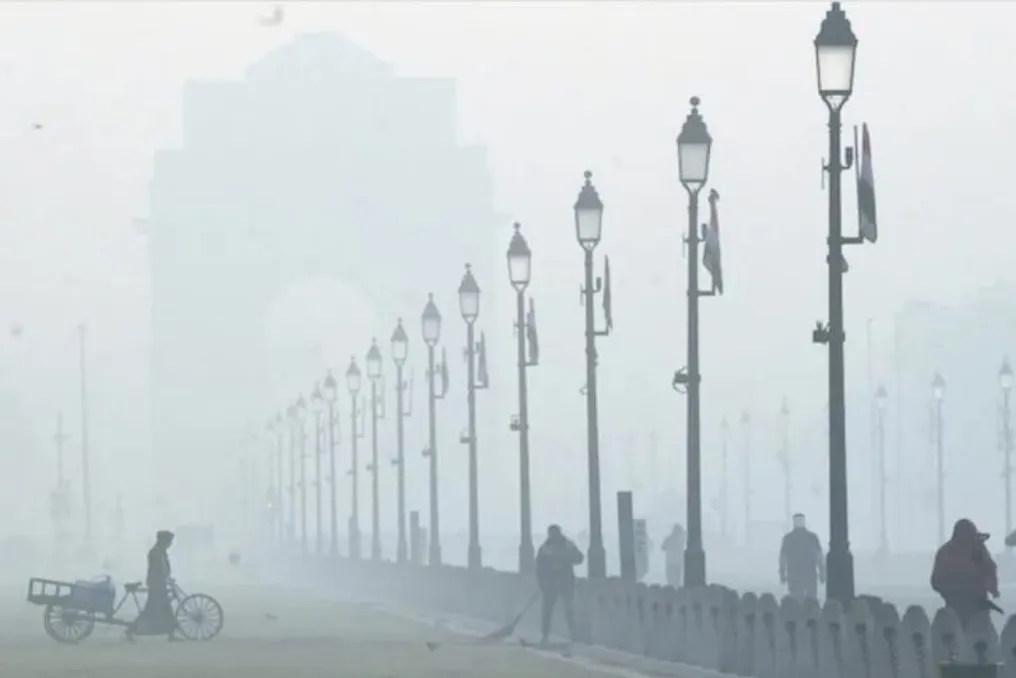
On October 30, the weather in Delhi set a new record. The maximum temperature recorded at the Safdarjung weather station was 20.7 degrees Celsius. According to available historical data, this is the lowest maximum temperature for October since 1951, meaning that such a low maximum temperature has not been recorded in October over the past 75 years.

Previously, the record for the lowest maximum temperature in October belonged to October 25, 1975, when the maximum value of 21.5 degrees Celsius was recorded in Safdarjung. However, on October 30, the temperature dropped even lower, surpassing the old record.

Historical data from Safdarjung shows that the new figure of 20.7 degrees Celsius is lower than all previous records. This indicates that the daytime temperature in Delhi remained abnormally low at the end of October.

The maximum temperature is defined as the highest temperature recorded during the day. Usually, the temperature rises during the day, but on October 30, the maximum level in Safdarjung was only 20.7 degrees. Daytime temperature can depend on cloud cover, precipitation, wind direction changes, and other weather factors. Such unusual readings help better understand long-term weather records.

Thus, October 30, 2026, became an important date in Delhi's weather history, as the maximum temperature of 20.7 degrees recorded in Safdarjung is the lowest in October over the last 75 years.

Minimum temperature record set in Delhi: temperature dropped to 15.3°C
Read more
www.aajtak.in

Minimum temperature record set in Delhi: temperature dropped to 15.3°C

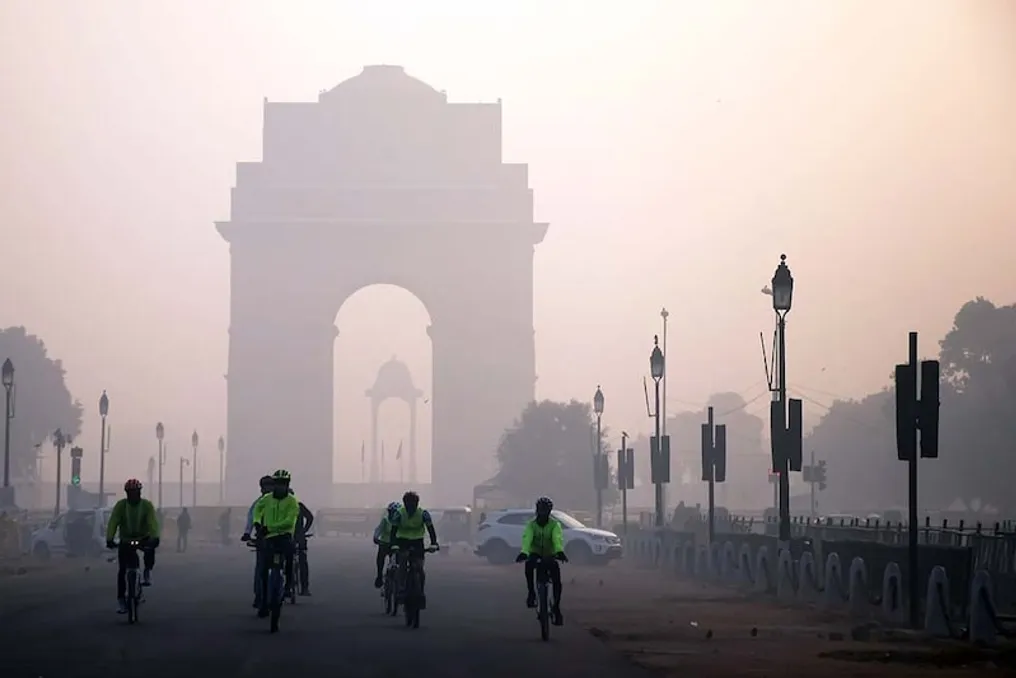
The influence of cold weather intensified in the capital city of Delhi, as the minimum air temperature reached 15.3 degrees Celsius on Tuesday, October 27. This figure was the lowest recorded in October over the past three years. Previously, on October 27, 2023, the minimum temperature was 15.2 degrees Celsius.

Parallel to the drop in temperature, the air quality in Delhi remains at an average level. According to data from the SAMEER application of the Central Pollution Control Board (CPCB), the Air Quality Index (AQI) in Delhi on Tuesday was 168.

According to meteorological service forecasts, the minimum temperature in the Safdarjung area was 1.9 degrees below normal. The maximum temperature on Tuesday is expected to remain around 31 degrees Celsius. The sky may be covered with clouds during the day, which will lead to a feeling of cold in the morning and at night, while remaining warm during the day.

Temperature readings varied across different areas of Delhi. In Palme, the minimum temperature was 15.5°C, which was 2.3 degrees below normal. Lodhi Road recorded a temperature of 15.6°C, which was 0.4 degrees below the average value. In Ridge, the minimum temperature reached 16.2°C, also 2.3 degrees below normal. In Ayangar, the minimum temperature was 15.2°C, which was 2 degrees below normal. These data indicate that morning temperatures in several areas of Delhi were lower than expected.

The minimum temperature is the lowest reading recorded in a specific place over a 24-hour period. At night, the ground surface cools down, causing a decrease in the surrounding air temperature. In late October, cold weather begins to be felt in Delhi mornings and nights. However, a low morning temperature does not guarantee cold weather throughout the day; the daytime temperature can rise depending on solar activity or cloud cover, explaining the difference between morning and daytime climate.

Against the backdrop of falling temperatures, attention is also being paid to air quality. As shown by the SAMEER CPCB application, the AQI in the capital reached 168 on Tuesday, corresponding to the moderate category. AQI reflects the level of pollution in the atmosphere. According to CPCB, the air is considered good with an AQI value from 0 to 50. The classification scale is as follows: 51 to 100 — satisfactory, 101 to 200 — moderate, 201 to 300 — poor, 301 to 400 — very poor, and 401 to 500 — hazardous.

Thus, an AQI of 168 indicates moderate air quality. At this level, some people may experience breathing difficulties, so people suffering from asthma or lung diseases should exercise extra caution. IMD forecasts suggest that the maximum temperature in Delhi on Tuesday may reach about 31°C, with prevailing cloudiness expected. Although it will be cold in the morning and at night, a temperature increase is predicted over the next six days. Overall, despite the intensification of morning cold, daytime warmth persists, and the average air quality requires public attention.

Popular