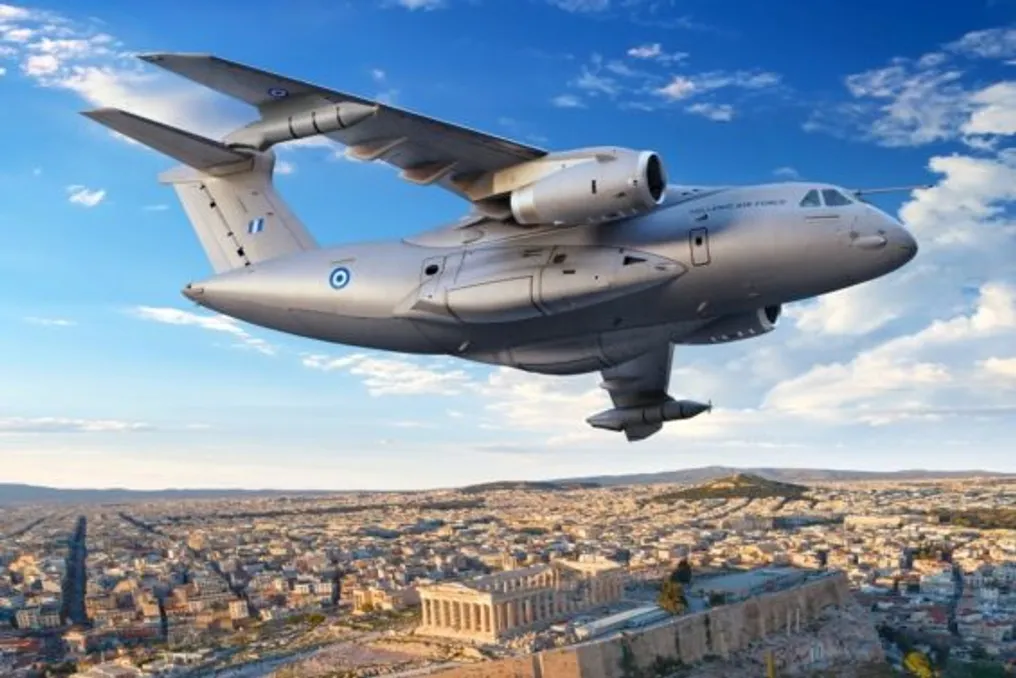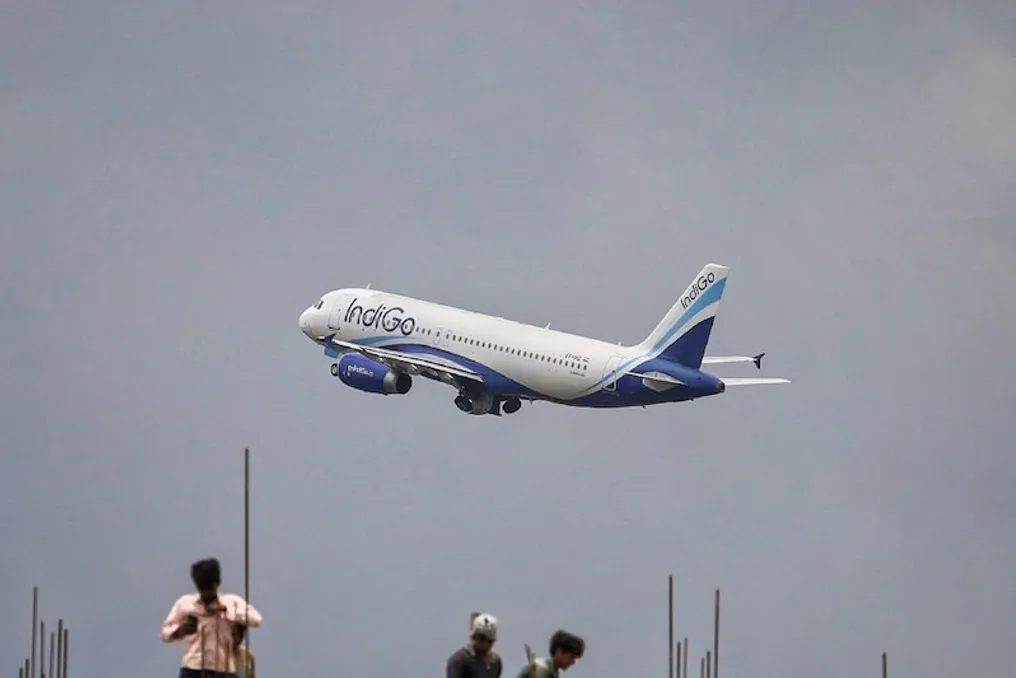
According to information from three sources close to the situation, India's largest airline, IndiGo, is discussing the possibility of acquiring 100 regional aircraft from the Brazilian manufacturer Embraer, with a potential option for an additional 50 units. This could become one of the largest orders placed with the Brazilian manufacturer.
Sources who wished to remain anonymous emphasized that negotiations are in the early stages and the deal is not yet guaranteed. Furthermore, they noted that the aircraft model has not yet been determined, and the final order volume may change. It is anticipated that any deliveries may not begin before 2030.
This volume of discussed aircraft has come to public knowledge for the first time. No immediate responses were received from IndiGo or Embraer regarding requests for comments.
The successful sale of 100 aircraft could cost billions of dollars at base prices, although such deals often include discounts. Previously, Embraer promoted its regional aircraft among Indian airlines and concluded a non-binding agreement with Adani Defence & Aerospace this year to study the possibility of establishing an final assembly line for older E175-E1 models, which carry up to 88 passengers, in India.
The company also produces larger models, the E190-E2 and E195-E2, equipped with more modern and fuel-efficient engines capable of carrying 114 to 146 passengers, respectively.
Advantage for Embraer
A successful deal would be a significant success for Embraer in the world's third-largest domestic aviation market, where airlines are expanding their fleets to capitalize on long-term air travel demand.
Currently, Star Air, a small regional airline, is the only Indian company operating Embraer aircraft. In March, Embraer CEO Francisco Gomes Neto told Reuters that the plan to establish an assembly line in India depends on orders of at least 200 aircraft, and that aircraft assembled in India could be delivered starting in 2028 if orders are placed by the end of the current year.
The order from Embraer would allow IndiGo to increase routes to regional areas and replace some of its turboprop ATRs, which would enable it to offer more seats on existing routes.
IndiGo CEO Willie Walsh, who took over in August, stated that IndiGo will expand long-haul flights without sacrificing its low-cost short-haul business. The company plans to grow its fleet to approximately 600 aircraft by 2030, up from 442 in September. The core of the fleet consists of narrow-body Airbus aircraft, but the fleet also includes 44 turboprop ATRs.