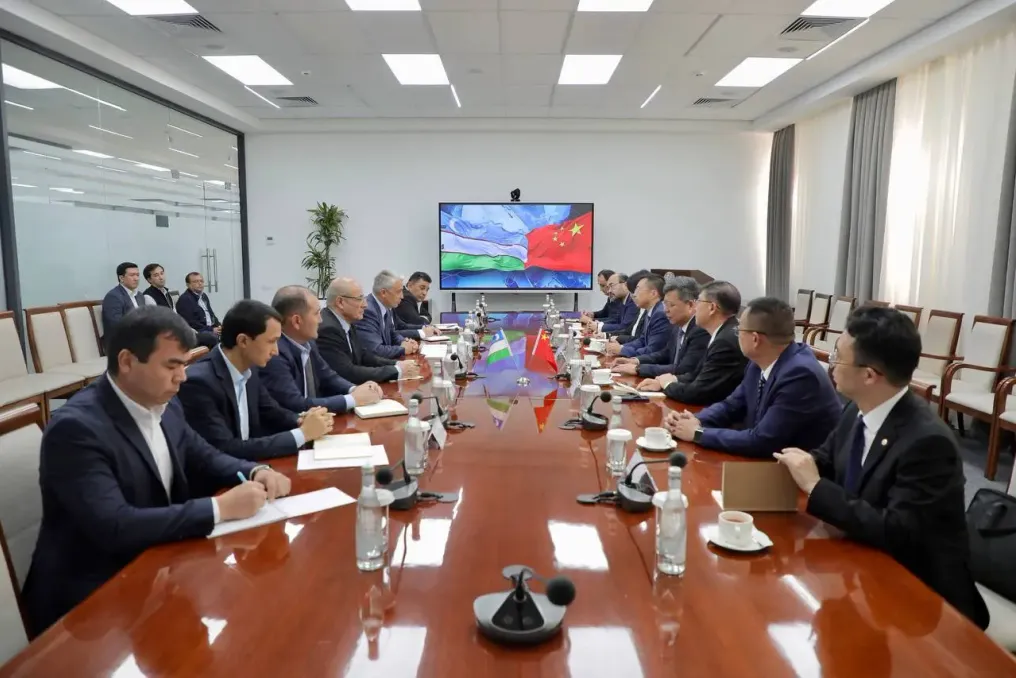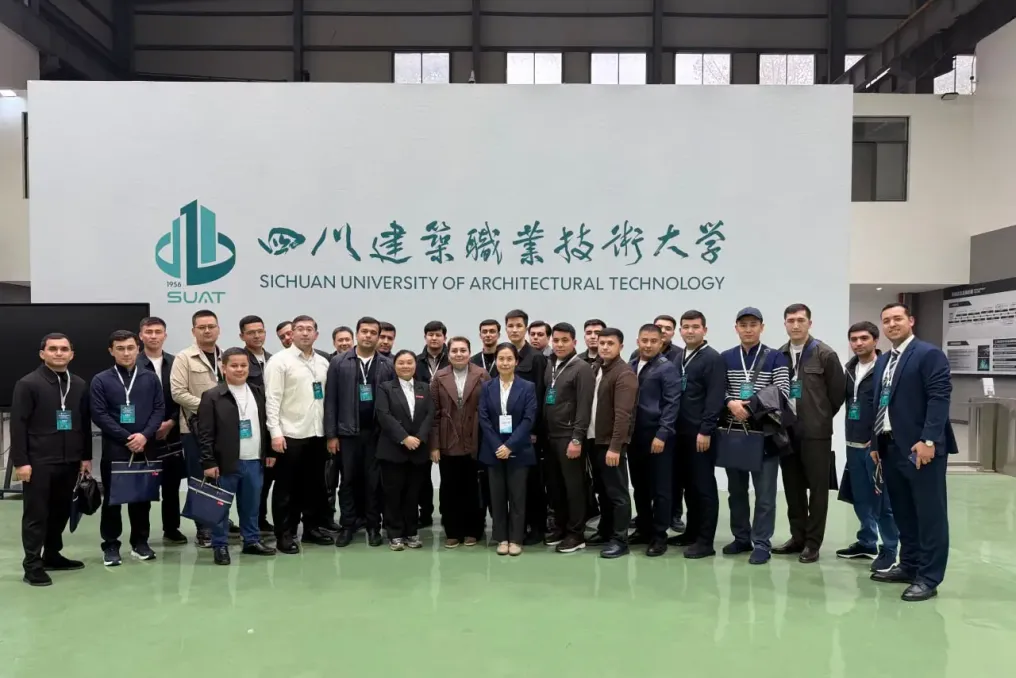
A delegation of young architects from the Ministry of Construction and Housing and Communal Services of Uzbekistan is participating in a professional training program in China. As part of this program, participants are studying advanced approaches to urban planning, modern construction materials, and technologies.
The first site visited was the metal products production facility of Sichuan Wangang. The Uzbek representatives familiarized themselves with modular formwork systems made of metal sheets, including their various types, technical capabilities, and advantages in construction.
The use of such systems allows for reducing construction time and costs, improving the quality of structures, and meeting seismic safety requirements. The ability to assemble entire structures from interconnected small elements simplifies the erection of buildings with complex designs and high-rise structures, while the reusable nature of the formwork improves the economic efficiency of construction.
During the visit, the young architects exchanged views with Chinese specialists and manufacturers regarding the potential application of these technologies in Uzbekistan, particularly in the construction of multi-story residential buildings, social infrastructure facilities, and high-rise buildings.
At the testing site, the delegation observed demonstrations of formwork installation, concrete pouring, dismantling of structures after the concrete hardened, and electric welding operations.
Grand Opening of the Training Program
A ceremony marking the opening of the training program for the Uzbek delegation also took place in China at the Sichuan University of Architectural Technology. The event was attended by university leadership and faculty, as well as private sector representatives.
Participants emphasized the importance of international knowledge exchange and acquiring modern competencies and technologies for the development of the construction industry. They noted that the success of reforms largely depends on having qualified specialists with up-to-date knowledge and practical skills.
The program includes both theoretical classes and practical study of advanced solutions. The main areas of focus include digitalization of urban planning, increasing energy efficiency, energy conservation, protection of green zones, and strengthening the ecological sustainability of the urban environment.
The delegation is led by Umida Boizokova, an advisor to the minister. She thanked the Chinese side for organizing the training and creating suitable conditions for the participants, urging the young specialists to make the most of this opportunity to gain new knowledge and experience.
In the afternoon, the delegation visited the museum of the Sichuan University of Architectural Technology, which was opened to commemorate the institution's 70th anniversary. Participants learned about the history of the university, its stages of development, and its achievements in education and science. They also toured educational and practical laboratories, examined modern equipment, and learned about the opportunities provided to students for the practical application of acquired knowledge.
This training program is expected to broaden the professional horizons of young architects, introduce them to international experience, and present technologies that can be implemented in the construction and urban planning sectors of Uzbekistan.