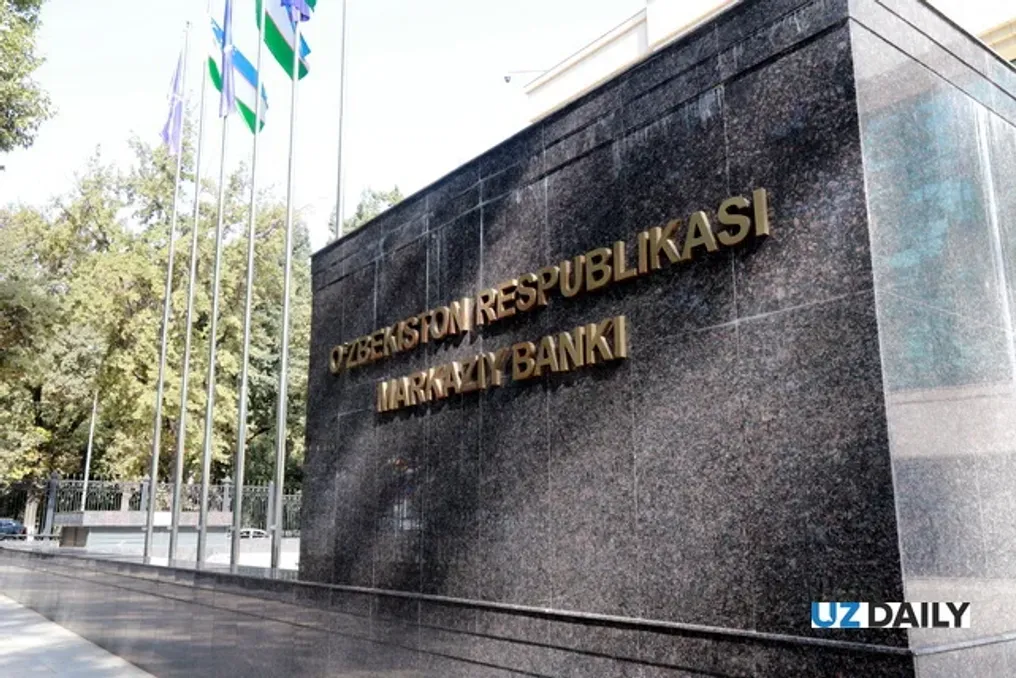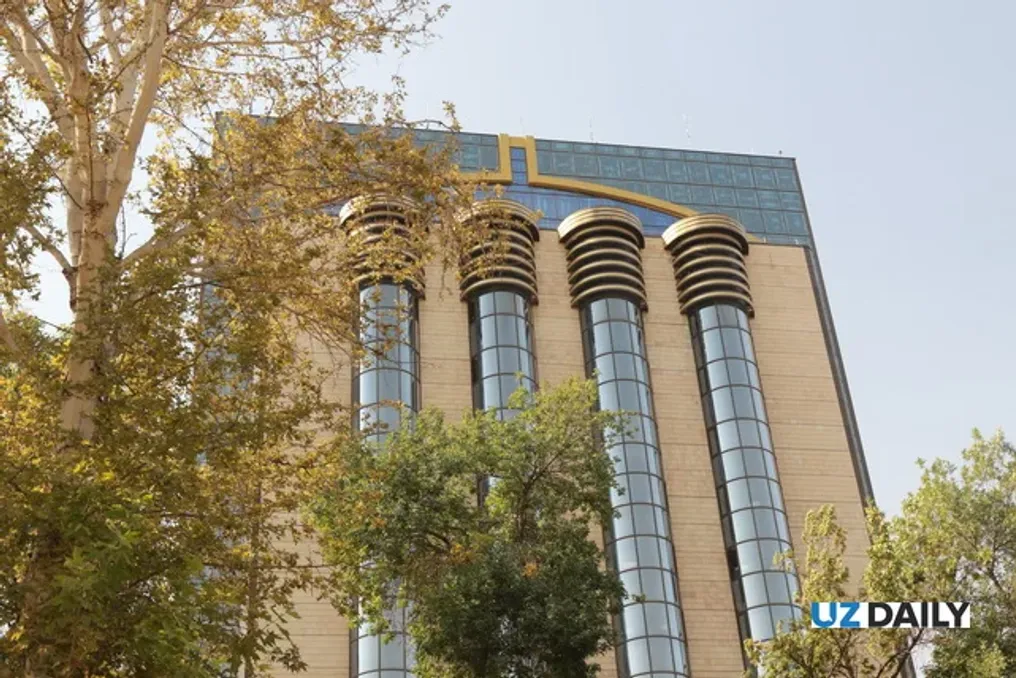
Capital of Uzbekistan's banks grew by 17.3% over the year, reaching 152.9 trillion soms
Read more
UzDaily
uzdaily.uz

Capital of Uzbekistan's banks grew by 17.3% over the year, reaching 152.9 trillion soms

According to data from the Central Bank of Uzbekistan, the total capital of commercial banks in Uzbekistan reached 152.9 trillion soms as of October 1, 2026. This represents an increase of 17.3% compared to the same period last year, when the figure was 130.4 trillion soms.

The regulatory capital in the banking sector increased by 17.6%, amounting to 169.4 trillion soms. Since assets grew at comparable rates, the capital adequacy ratio remained virtually unchanged at 18.18%, compared to 18.19% the previous year.

Tier 1 capital adequacy indicators showed a slight decrease. The Tier 1 capital adequacy ratio was 14.99% compared to 15.06%, and the total Tier 1 capital ratio decreased to 14.61% from 15.02% previously.

Tier 1 capital increased by 17.6%, reaching 140.3 trillion soms, which accounts for 82.8% of the regulatory capital. Meanwhile, the total Tier 1 capital grew by 14.4% to 136.2 trillion soms. Additional Tier 1 capital increased almost elevenfold, rising from 0.38 trillion to 4.1 trillion soms.

Tier 2 capital increased by 20%, reaching 29.7 trillion soms. Profit was the main source of growth in banks' equity. Undistributed profit grew by 55.4% year-on-year, reaching 34.6 trillion soms, and its share in the total bank capital increased from 17.1% to 22.6%.

Shareholder capital increased by 9.6% to 101.2 trillion soms, while reserve capital grew by 10.6%, reaching 15.9 trillion soms.

Four banks had capital exceeding 10 trillion soms: National Bank of Uzbekistan with 21.2 trillion soms, Agrobank with 13.9 trillion soms, Uzpromstroybank with 13.1 trillion soms, and People's Bank with 11.5 trillion soms. Together they accounted for 39% of the total banking system capital, down from 42% the previous year.

Seven banks had capital in the range of 5 to 10 trillion soms, accounting for 33.8% of the total. Another eight banks had capital between 2 and 5 trillion soms, representing 18%. Five banks had capital from 1 to 2 trillion soms, and ten had capital from 500 billion to 1 trillion soms. Only one bank had capital below 500 billion soms, compared to four such banks the previous year.

Smaller banks demonstrated the highest capital buffers. The capital adequacy ratio among six banks with assets up to 3 trillion soms was 27.2%, and among six banks with assets from 3 to 10 trillion soms, it was 20.8%. Among the 12 largest banks, each with assets exceeding 30 trillion soms, this ratio was 17.6%.
Similar stories

Liquidity of Uzbekistan's banks grew by 51.3% over the year
Read more
uzdaily.uz

Liquidity of Uzbekistan's banks grew by 51.3% over the year

According to data from the Central Bank of Uzbekistan, the highly liquid assets of commercial banks in Uzbekistan reached 227.3 trillion soums as of October 1, 2026. This represents a growth of 51.3% compared to the same period last year, when the figure was 150.2 trillion soums.

In absolute terms, highly liquid assets increased by 77.1 trillion soums. Meanwhile, total assets of the banking sector grew by 20.5% over the same period, reaching 1,044.8 trillion soums. The share of highly liquid assets in total bank assets increased from 18% to 22.4%, calculated by deducting the value of highly liquid securities sold under repo transactions.

Key liquidity ratios remained significantly above established regulatory minimums. The Liquidity Coverage Ratio (LCR) reached 269.6%, up from 199.7% a year earlier, against a minimum requirement of 100%. The Net Stable Funding Ratio (NSFR) increased from 115.8% to 132.1%, also exceeding the 100% threshold.

However, the immediate liquidity ratio decreased from 117.4% to 97.2%, although it remained almost four times higher than the minimum required level of 25%.

Structural changes in bank balance sheets

The growth in liquidity was also reflected in the structure of bank balance sheets. Investments in securities and other financial instruments almost doubled over the year, increasing by 93.4% to 155.6 trillion soums. Their share in total assets grew from 9.3% to 14.9%.

Funds held by banks at the Central Bank increased by 33.7%, amounting to 36.2 trillion soums, while cash reserves grew by 11.7% to 30 trillion soums. Conversely, funds placed in non-resident accounts decreased by 18.8% to 44.9 trillion soums, and requirements from residents fell by 3.2% to 29.2 trillion soums.

Growth in funding and loan portfolio

The increase in bank liquidity occurred against the backdrop of faster growth in fund inflow. Deposits grew by 34.9% year-on-year, reaching 501 trillion soums, while the loan portfolio expanded by 13.2% to 659.1 trillion soums. Consequently, the ratio of loans to deposits in the banking system decreased from 1.57 to 1.32.

Simultaneously, the role of borrowed financing decreased. The share of borrowings and lease obligations in total bank liabilities fell from 33.6% to 28.2%, while the share of deposits increased from 50.4% to 56.2%.

Assets of commercial banks in Uzbekistan grew by 20.5% in 2026
Read more
uzdaily.uz

Assets of commercial banks in Uzbekistan grew by 20.5% in 2026

According to data from the Central Bank of Uzbekistan, the total assets of commercial banks in Uzbekistan reached 1,044.8 trillion UZS as of October 1, 2026. This figure represents an increase of 20.5% compared to 866.8 trillion UZS the previous year.

The fastest asset growth was demonstrated by non-state-owned banks, which increased their balances by 36.2% to 410 trillion UZS. Meanwhile, assets of state-participating banks grew by 12.2%, amounting to 634.9 trillion UZS.

Consequently, the share of non-state-owned banks in the total banking system assets increased from 34.7% to 39.2%, indicating the growing contribution of the private banking sector.

Foreign currency assets decrease as a percentage of total assets

The share of foreign currency assets in bank balances continued to decrease relative to the total volume. Assets denominated in foreign currency increased by only 6% year-on-year, reaching 352.7 trillion UZS. Their share in total banking assets fell from 38.4% to 33.8%, reflecting a slower growth rate compared to the overall fund of banking system assets.

Loan portfolio expands, but investments in securities grow faster

Loans remained the largest component of commercial banks' assets. The net loan portfolio increased by 13.1% to 638.1 trillion UZS, although its share in total assets decreased from 65.1% to 61.1%. This reduction in the relative weight of lending is largely explained by the significantly faster growth of investments and securities.

Bank assets in the form of investments and securities soared by 93.4% over the year, reaching 155.6 trillion UZS, almost double. Accordingly, their share in total banking assets increased from 9.3% to 14.9%. Funds held by commercial banks at the Central Bank grew by 33.7% to 36.2 trillion UZS. At the same time, cash increased by 11.7% to 30 trillion UZS, and accrued interest receivable grew by 47.2% to 39.1 trillion UZS. Meanwhile, requirements from non-residents decreased by 18.8% to 44.9 trillion UZS, and requirements from residents also decreased by 3.2% to 29.2 trillion UZS.

Bank liabilities and capital continue to grow

Regarding balance sheet liabilities and capital, total bank obligations increased by 21.1%, reaching 891.9 trillion UZS. The equity capital of the banking system grew by 17.3%, amounting to 152.9 trillion UZS. These figures demonstrate that the expansion of bank assets was accompanied by growth in both liabilities and capital.

Twelve banks control nearly 79% of total assets

The banking system of Uzbekistan maintains a high degree of concentration, as the largest institutions accumulate the vast majority of assets. Out of 35 operating commercial banks in the country, 12 had assets exceeding 30 trillion UZS as of October 1, 2026. Together, these banks controlled 821.9 trillion UZS, equivalent to 78.7% of the total banking system assets.

Another 11 banks had assets in the range of 10 to 30 trillion UZS, with their combined assets totaling 181.5 trillion UZS. Six banks had assets between 3 and 10 trillion UZS, summing up to 34.2 trillion UZS. The six smallest banks, each having assets of less than 3 trillion UZS, collectively owned 7.2 trillion UZS.

Data from the Central Bank highlights the ongoing expansion of the banking sector in Uzbekistan, especially among private institutions, as well as the shift in asset structure towards investments and securities. Despite the faster growth of small and private banks, the sector remains dominated by a relatively small group of large financial organizations.

Net profit of Uzbekistan's banks grew by 40.3% to 15.26 trillion soms
Read more
uzdaily.uz

Net profit of Uzbekistan's banks grew by 40.3% to 15.26 trillion soms

According to data from the Central Bank of Uzbekistan, commercial banks in Uzbekistan reported a year-on-year growth in net profit of 40.3%, reaching 15.26 trillion soms as of October 1, 2026. This figure significantly exceeds the 10.88 trillion soms recorded a year earlier.

Profit before tax increased by 34.8%, amounting to 17.44 trillion soms, while corporate income tax expenses grew much slower—only by 5.8%, reaching 2.19 trillion soms.

Income from interest increased by 18.5%, rising to 110.4 trillion soms. However, interest expenses grew faster, increasing by 21.4% to 79.2 trillion soms. Consequently, the interest margin expanded by 11.8%, reaching 31.3 trillion soms.

The main driver of profit growth was income from non-interest activities, which increased by 44.3% to 76.2 trillion soms. This outpaced the growth in non-interest expenses by 32.7%, which amounted to 26.5 trillion soms. The net income from non-interest activities of banks increased 1.9 times, reaching 23.4 trillion soms.

The banking sector also recorded an increase in costs. Operating expenses rose by 27.3% to 26.3 trillion soms, and estimated losses on loans and leases increased by 34%, totaling 24.9 trillion soms. Estimated non-credit losses grew by 42.9% to 12.3 trillion soms.

Profitability indicators improved during the reporting period: return on assets (ROA) rose from 2.1% to 2.37%, and return on equity (ROE) grew from 11.8% to 14.1%.

Nevertheless, the ratio of net interest margin to total assets decreased from 4.53% to 4.24%, and the ratio of net interest income to assets fell from 4.3% to 3.99%.

Profit structure by bank size

The largest banks accounted for the majority of the sector's total profit, making up about two-thirds of the total volume. Twelve banks with assets exceeding 30 trillion soms generated a combined net profit of 10.3 trillion soms, which is 67.5% of the sector's total profit. Their return on equity reached 12.35%.

Medium-sized banks demonstrated the highest return on equity. Six banks with assets ranging from 3 to 10 trillion soms achieved an ROE of 23.65%, and 11 banks with assets between 10 and 30 trillion soms reported an ROE of 20.8%. The latter group generated a combined profit of 3.93 trillion soms.

Meanwhile, the six smallest banks, each with assets up to 3 trillion soms, earned a combined 38.8 billion soms, with their return on equity being only 1.96%.

Popular