Creating an ecosystem for electric vehicles requires more than just putting new vehicles on the road; it also needs battery research, specialized engineering talent, testing centers, and a manufacturing base capable of supporting a growing industry.
In line with Karnataka's ambition to strengthen its position in the electric vehicle sector, Minister for Home Affairs, Electronics, Information Technology, Biotechnology, and Electronic Governance Priyank Hardge appealed to industry representatives to help develop a roadmap for the state's electric mobility ecosystem.
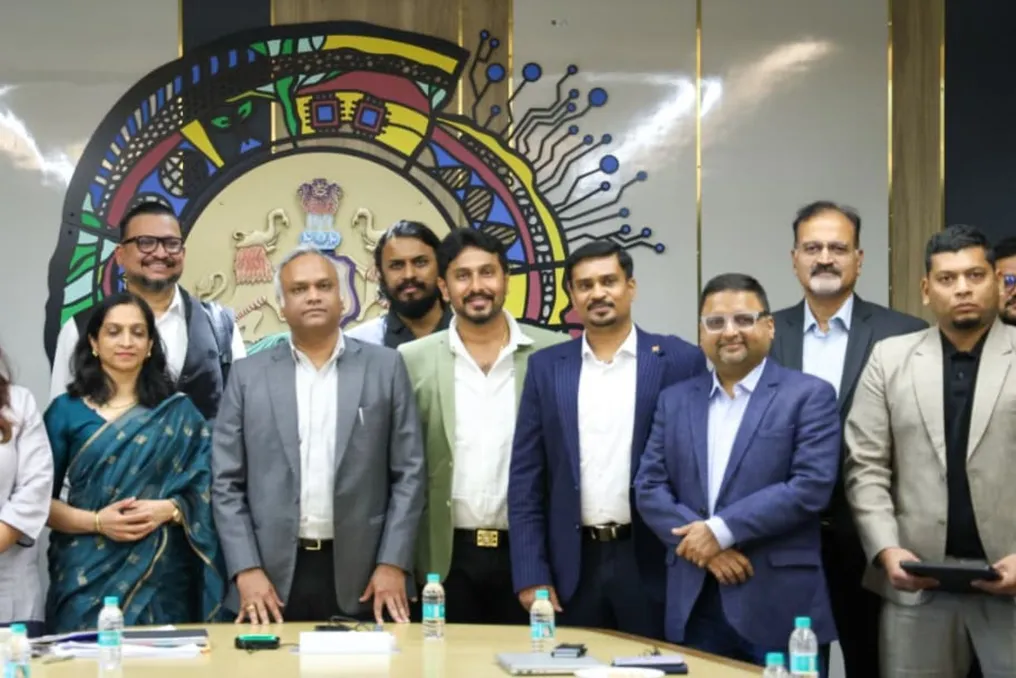
Ahead of the Technology Summit in Bengaluru in 2026, Hardge organized a roundtable with companies and stakeholders from Karnataka's electric vehicle industry. The meeting aimed to ascertain participants' priorities, identify areas for collaboration, and discuss ways to accelerate sector development.
Representatives from companies such as Exponent Energy, Ultraviolette, Simple Energy, Sun Mobility, Moonrider, and Multiplex EV, along with other manufacturers, technology firms, battery and energy solution providers, and startups, participated in the event.
The topics discussed covered several areas that could strengthen Karnataka's electric vehicle ecosystem. These included industry-led research and development, advanced testing and certification facilities, professional training programs, incubation support, and manufacturing infrastructure.
Priyank Hardge emphasized that government support must be based on the real needs of companies operating in the electric vehicle value chain. He stated: 'The government is ready to support the growth of the electric vehicle sector in Karnataka. However, our interventions must be guided by what the industry truly needs.'
He strongly urged companies to unite, define common priorities, and present a consolidated roadmap to the government. This will help determine which support measures and infrastructure projects should be implemented.
During the interaction, talent development was a key issue. As the electric vehicle industry expands, companies require specialists in areas such as battery technology, embedded systems, firmware, power electronics, vehicle diagnostics, manufacturing, and after-sales service.
To meet this demand, Hardge proposed an industry-supported training model where companies could assist in developing curricula, certifying candidates, and providing job opportunities. This approach would bring employers closer to the training process, ensuring that taught skills meet industry requirements.
The Minister also encouraged companies to examine existing policy incentives in Karnataka designed for R&D in manufacturing and engineering. Discussions included opportunities to strengthen local manufacturing capacity and reduce import dependence.
Since the electric vehicle industry encompasses vehicle manufacturing, battery systems, electronics, software, and energy infrastructure, Karnataka aims to integrate these capabilities to support innovation and production within the state. This roundtable is part of the state's engagement with the industry ahead of the Technology Summit in Bengaluru in 2026, and the proposed roadmap is expected to help define priorities for the next phase of the electric vehicle ecosystem's development.