Fergana Region Plans Jewelry Production Expansion Through Joint Venture with Baku Oltin
Read more
UzDaily
uzdaily.uz

Fergana Region Plans Jewelry Production Expansion Through Joint Venture with Baku Oltin

Jewelry production in the Fergana region of Uzbekistan is preparing for expansion thanks to the development of the Baku Oltin joint venture.

Discussion of Expansion Plans

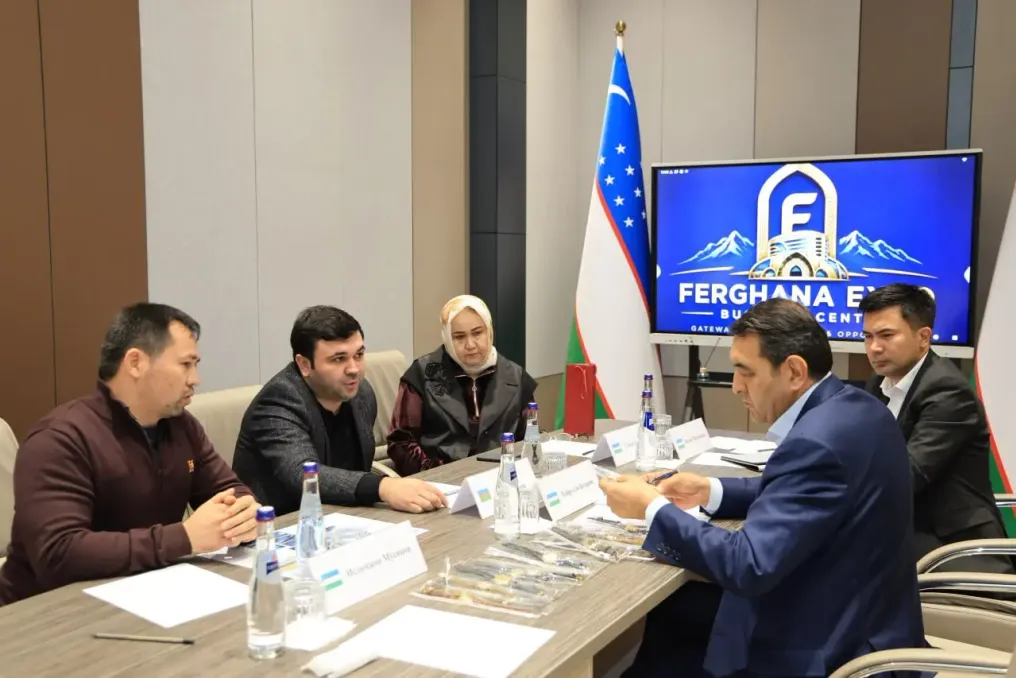
Prospects for implementing this project were discussed at a meeting between the Governor of the Fergana Region, Khayrullo Bozorov, and Mushfig Ibragimzade, the company founder and Turkish investor.

The parties reviewed various plans aimed at increasing production volumes, expanding product assortment, and further developing the enterprise.

It is reported that Baku Oltin currently produces goods that substitute imports and are in demand in the domestic market.

The company's future intentions include introducing new types of jewelry, increasing production capacity, creating additional jobs, and establishing export supplies.

Khayrullo Bozorov stated that the regional administration is ready to support mutually beneficial investment projects and provide practical assistance in implementing the planned initiatives.

Similar stories

Uzbekistan plans to expand the Technochim petrochemical cluster in Bukhara region
Read more
uzdaily.uz

Uzbekistan plans to expand the Technochim petrochemical cluster in Bukhara region

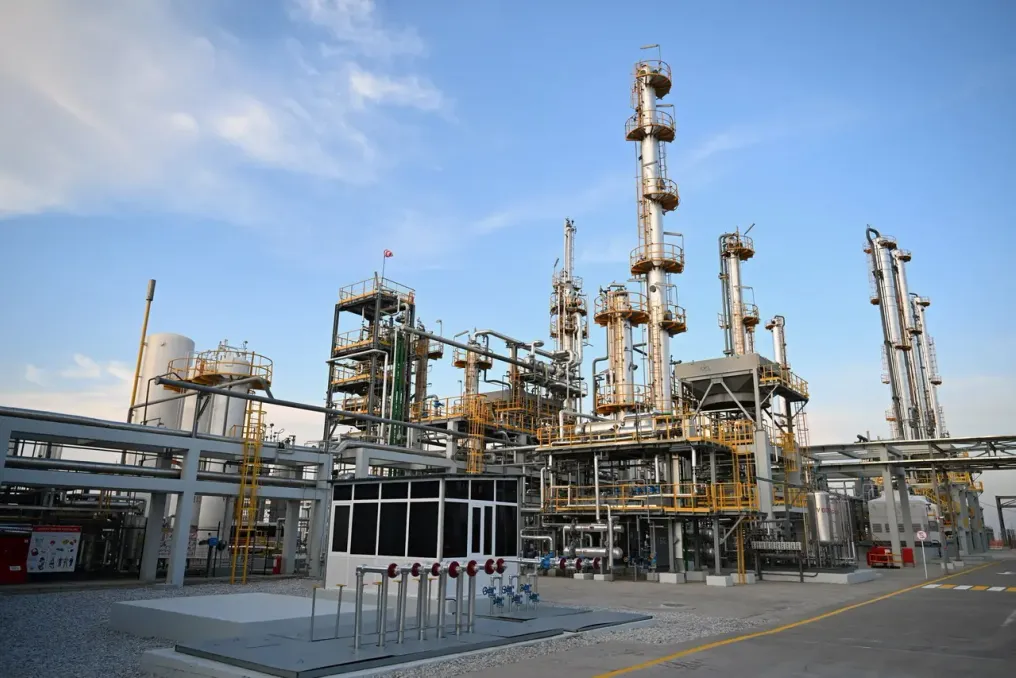
Uzbekistan intends to invest 292 million US dollars in the expansion of the Technochim petrochemical cluster located in the Bukhara region. This project will increase the plant's annual raw material processing capacity by 400,000 tons and create 700 new jobs.

The plans were announced during the visit of President Shavkat Mirziyoyev, who inspected the complex's production facilities in the Bukhara district, studying its current output and development plans.

Technochim specializes in the processing of oil, gas condensate, naphtha, methanol, and pyrolysis distillate. It is the only similar complex in Uzbekistan. Currently, the enterprise occupies an area of 69 hectares and employs about 500 people.

Existing capacities allow for the annual processing of 100,000 tons of pyrolysis distillate, as well as 160,000 tons of naphtha and gas condensate. In addition to fuel, the cluster produces materials for the chemical industry; for example, its octane booster is used to improve gasoline characteristics, and solvents are used in the production of paints, varnishes, adhesives, and household chemicals.

The next stage of the complex's development is planned to be completed by the end of 2028. The investment project worth 292 million dollars provides for the processing of gas condensate and naphtha, as well as the production of aromatic hydrocarbons and solvents. After the expansion is complete, the total annual capacity of the facility will increase by another 400,000 tons.

The expansion will require attracting additional qualified workers. Mirziyoyev emphasized the need to strengthen ties between the vocational education system and regional enterprises. Among the sought-after specialists are process technologists, engineers, chemists, and laboratory personnel.

According to export plans, Technochim plans to supply about 180,000 tons of petrochemical products, motor gasoline, and diesel fuel annually to Kazakhstan, Kyrgyzstan, Tajikistan, Turkmenistan, Afghanistan, and European Union countries. Furthermore, the enterprise is negotiating with foreign partners on a project to process 150,000 tons of liquefied gas between 2028 and 2030.

Following the visit, the president gave recommendations regarding increasing the export potential of the petrochemical cluster and training specialists for new production capacities.
Fergana Region and Belarus Agree to Expand Economic Cooperation
Read more
uzdaily.uz

Fergana Region and Belarus Agree to Expand Economic Cooperation

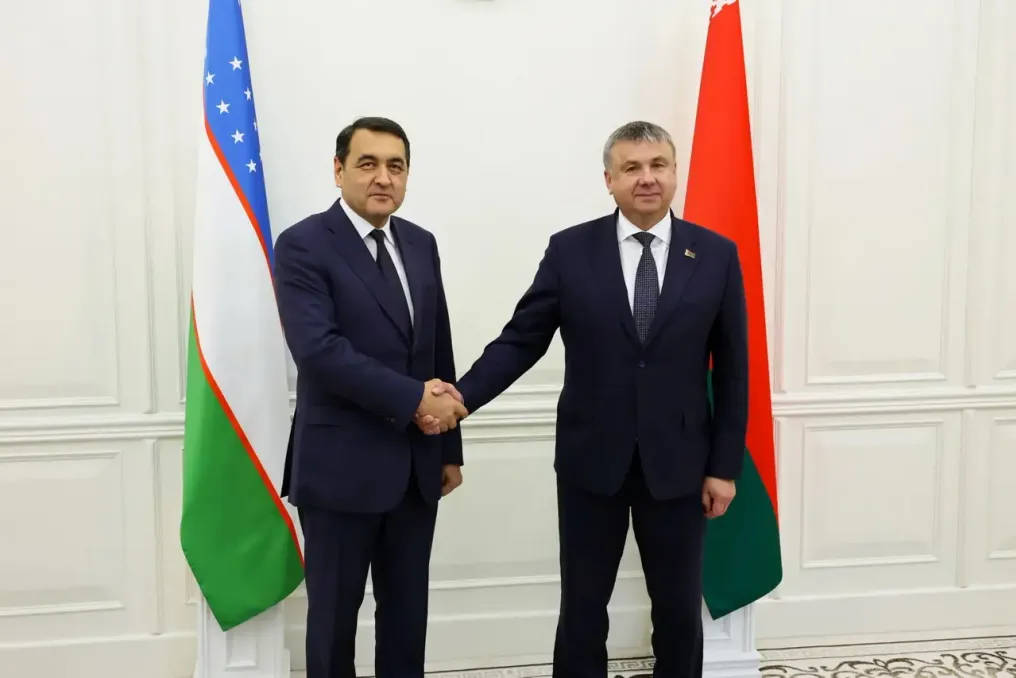
The Governor of the Fergana Region, Khayrullo Bozorov, met with the Deputy Prime Minister of Belarus, Yuriy Shuleiko, in Minsk to discuss deepening trade and economic ties, as well as developing interregional cooperation.

It was noted at the meeting that the strategic partnership between Uzbekistan and Belarus continues to strengthen, while contacts between the regions of the two countries are becoming increasingly active.

Cooperation between the Fergana Region and the regions of Belarus is expanding through the implementation of practical projects. The parties discussed potential areas for joint work, including agriculture, animal husbandry, light industry, furniture production, pharmaceuticals, and mechanical engineering.

Special attention was paid to the creation of joint ventures and increasing bilateral trade. Following the negotiations, the participants reached an agreement to support common initiatives aimed at increasing economic efficiency and creating new jobs for both sides.

Uzbekistan seeks to expand textile exports to Italy to strengthen business ties
Read more
uzdaily.uz

Uzbekistan seeks to expand textile exports to Italy to strengthen business ties

Uzbekistan and Italy intend to strengthen their business ties in the textile industry and explore opportunities to increase the supply of Uzbek products to European markets.

A webinar titled 'Uzbekistan's Textile Industry: Opportunities for European Supply Chains' was held with the support of the Embassy of Uzbekistan and the Italian office of the international consulting firm EY, according to the news agency Dunyo.

The meeting gathered representatives of major Italian and international companies from the fashion and textile sectors, such as Alviero Martini, Benetton, Bertolo Cashmere, Frette, Ralph Lauren, and Gabel Group.

The webinar was opened by the Ambassador of Uzbekistan, Abat Faizullaev, and Ruxullo Zikrillayev, Deputy Director of the country's Light Industry Development Agency. Participants were provided with information on reforms in Uzbekistan's textile sector, manufacturers' production capabilities, and the industry's export potential.

The prospects for supplying finished goods to Europe and developing industrial cooperation were also discussed. EY experts highlighted the legal requirements governing textile supply chains in Europe, including environmental and social standards, rules for determining the origin of goods, and the possibility of using the GSP+ preferential trade regime available to Uzbekistan.

Participants reviewed various cooperation models, including manufacturing textiles according to the specifications of Italian companies and direct purchases of finished products from Uzbek producers. When assessing potential contracts, particular attention was paid to product quality, international certification, contract terms, production process control, and supply chain transparency.

Following the webinar, the parties agreed to organize direct bilateral (B2B) negotiations between interested Italian companies and textile producers from Uzbekistan. These meetings are intended to help participants move from exchanging information to considering specific opportunities for collaboration.

Popular