Russia's Buryatia and Uzbekistan Discuss Cooperation in the Textile Industry
Read more
UzDaily
uzdaily.uz

Russia's Buryatia and Uzbekistan Discuss Cooperation in the Textile Industry

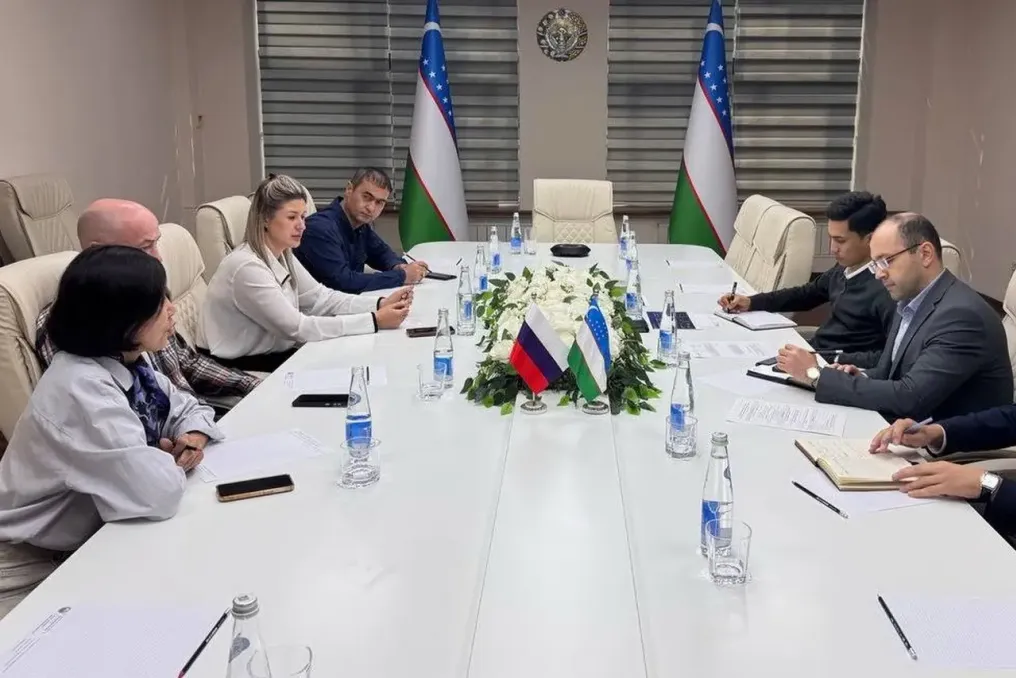
The Russian representation in Uzbekistan organized a working meeting between a delegation from the Republic of Buryatia and representatives of the Agency for the Development of Light Industry of Uzbekistan. The goal of the meeting was to discuss expanding cooperation and launching joint projects.

Russian companies Stroybit LLC, which operates under the brand Little Elf and produces children's goods, as well as individual entrepreneur E.A. Maslichenko, representing the company Uniforma, specializing in workwear, protective clothing, and uniforms, took part in the event. This was reported by the Russian Representation in Uzbekistan.

Representatives of the Agency for the Development of Light Industry of Uzbekistan presented an overview of the country's light industry sector, including its current state and development prospects. According to the agency's data, about 60% of finished textile products produced in Uzbekistan are destined for the Russian market, confirming Russia's status as one of the main markets for Uzbek textiles.

Participants discussed opportunities for contract manufacturing, localization of Russian companies' production facilities in Uzbekistan, and the development of industrial interaction between Buryatia and Uzbekistan. Furthermore, Russian firms held separate negotiations with Uzbek producers, focusing on potential areas of cooperation and opportunities for implementing joint initiatives.
Similar stories

Uzbekistan and Belarus Discuss Cooperation in Nuclear Energy Sector
Read more
uzdaily.uz

Uzbekistan and Belarus Discuss Cooperation in Nuclear Energy Sector

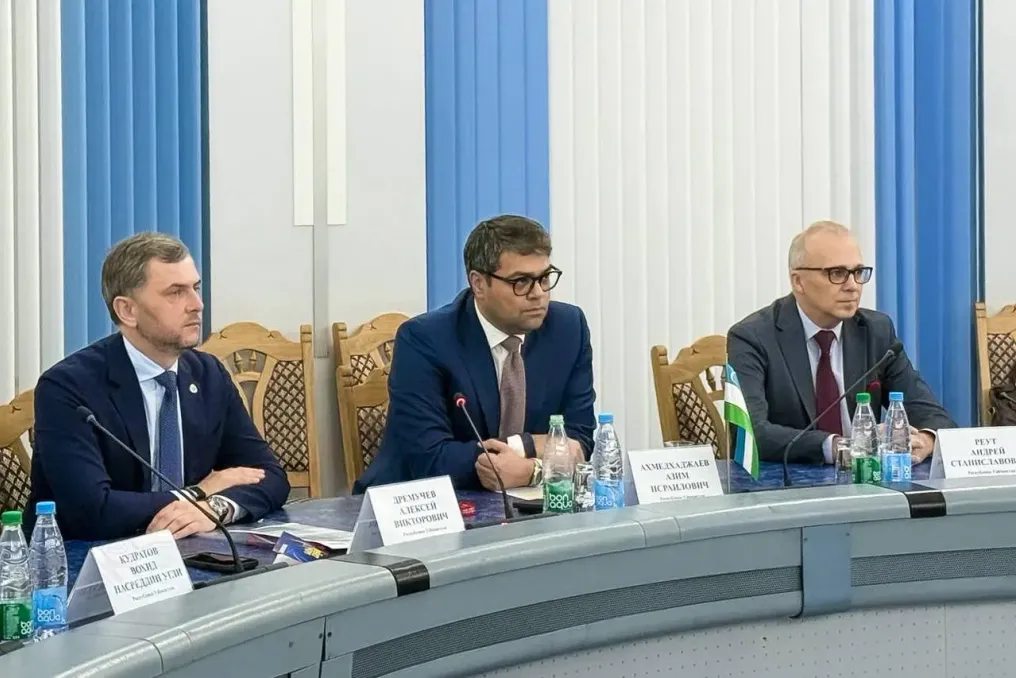
A delegation from the Uzbek agency Uzatom visited Minsk, Belarus, on October 27 to hold negotiations with the Minister of Energy of Belarus, Denis Moroz. The main topic of discussion was the participation of Belarusian enterprises in the project of Uzbekistan's integrated nuclear power plant, as well as the localization of energy equipment and the development of industrial cooperation.

These negotiations took place as part of the Uzbek delegation's working trip to Belarus. The parties reviewed prospects for joint work in the field of nuclear energy and opportunities to involve Belarusian specialists and companies in the implementation of Uzbekistan's national program in the field of atomic energy.

Belarus is also providing practical support in selecting qualified personnel for the construction of the nuclear power plant and related infrastructure. According to Moroz, the production of transformer equipment is one of the promising areas for cooperation.

The Belarusian side is ready to study potential partnership between the V. I. Kozlov Minsk Electrical Engineering Plant, Uzatom, and the Russian state nuclear corporation Rosatom. The Minister also emphasized the possibilities of expanding industrial cooperation, including equipment supplies and the creation of joint production capacities.

Azim Akhmedkhadzhayev, Director of Uzatom, focused on the importance of working with partners who possess the necessary experience to execute the NPP project. He noted that further joint efforts must strengthen the partnership and lead to tangible results. After the meeting, the parties agreed to continue exchanging proposals on specific areas of cooperation and to define projects for further joint consideration.

Uzbekistan and Russia Discuss Production Localization for Nuclear Power Plant Construction
Read more
uzdaily.uz

Uzbekistan and Russia Discuss Production Localization for Nuclear Power Plant Construction

Uzbekistan and Russia held discussions on plans to establish joint ventures and localize production for the construction of a comprehensive nuclear power plant in Uzbekistan. According to a statement from the Uzatom Agency, the project aims to ensure that at least 30% of all components are produced locally.

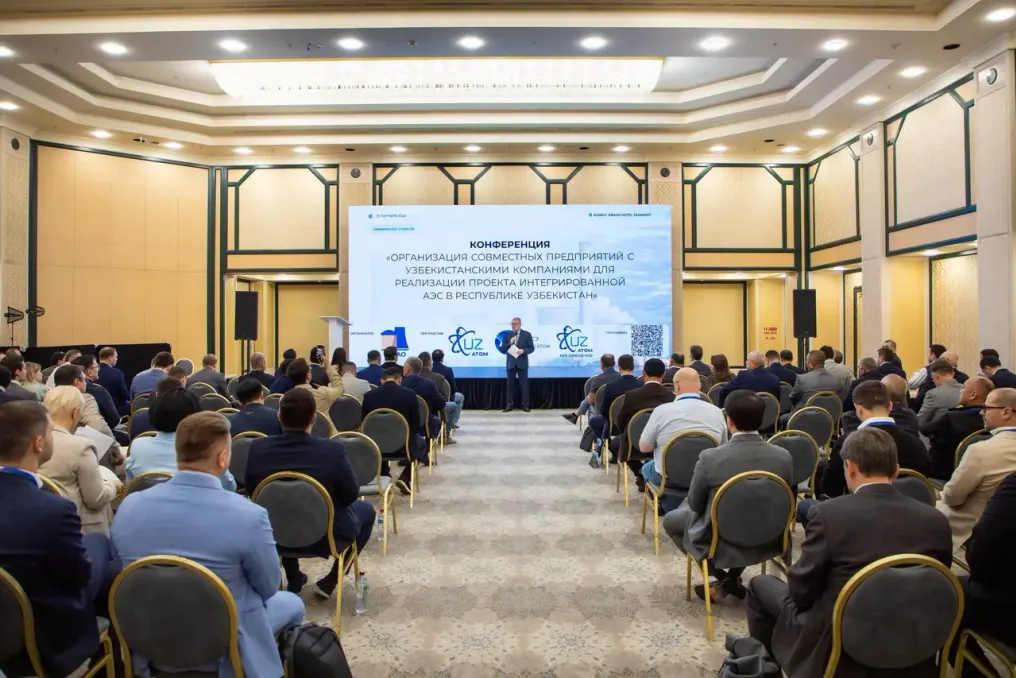
The issues were raised at an industry conference held in Tashkent. Participants included representatives from Uzatom, relevant state bodies, Uzbek companies, specialists from Rosatom's Engineering Department, the Association of Nuclear Industry Construction Organizations, and executives from Russian companies involved in the NPP construction.

Opening the conference, Shakhzod Alirizayev, Deputy Head of Uzatom, emphasized the critical importance of practical interaction in implementing this project, which is intended to become the world's first integrated nuclear power plant. The project involves combining powerful energy units equipped with VVER-1000 reactors and smaller units with RITM-200N reactors.

Alirizayev noted that this configuration opens up opportunities to combine experience and form its own production base directly in Uzbekistan. During the first session, participants studied modern NPP construction methods, including modular assembly and systems-based approaches.

The role of leading materials science organizations and equipment manufacturers in providing technological solutions for nuclear projects was also discussed. Other topics included backup power supply systems, auxiliary heat and power plants, and components necessary to enhance the safety and efficiency of construction work.

A significant part of the conference was dedicated to the issue of production localization and the creation of joint ventures. Russian and Uzbek companies exchanged experiences in automated control systems and radiation monitoring, specialized ventilation and gas purification, polymer pipeline manufacturing, energy-efficient insulation materials, special concrete chemicals, and prefabricated structures for construction sites.

The establishment of production facilities in Uzbekistan is viewed as a way to increase the share of local goods used in the project and to form an industrial base for the further development of nuclear energy. It is expected that the cooperation will also include specialist training and the development of related industries.

The final B2B business session involved an exchange of proposals, where Russian and Uzbek firms discussed prospects for deepening partnerships, including joint production and professional training.

Popular