The road climbs into the mountains outside Graaff-Reinet, then moves into the open Karoo, where the next settlement may be far away, and the landscape seems to stretch endlessly. Here, the journey is as much about the places along the route as it is about the distance covered.
One such place is New Bethesda, a village with gravel streets beneath the Snouberg Mountains. Its most famous attraction is the Owl House, filled with hundreds of concrete sculptures created by Helen Martins, whose unusual house and garden later inspired Athol Fugard's play 'The Road to Mecca.' This curious sight in the otherwise quiet village of Karoo is a good reason to stop and linger longer.
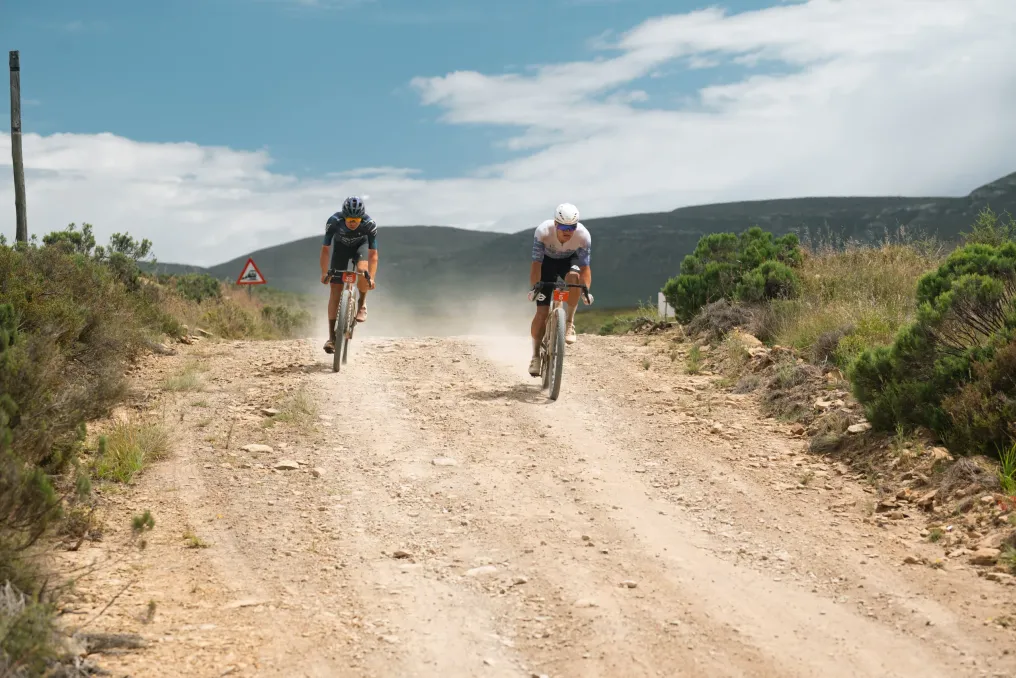
New Bethesda is also part of the Nedbank Gravel Burn race route, a seven-day gravel race held from October 25 to 31, 2026. The race covers 750 km and 8500 m of ascent, starting in Graaff-Reinet and finishing at the Shamwari private reserve, crossing remote Karoo areas before reaching the wildlife-rich bushveld of the Eastern Cape.
Supported by Nedbank, this event draws attention to the gravel roads and rural areas of the region. However, to appreciate the route, you don't have to be a cyclist. Historic towns, mountain passes, fossil-rich landscapes, and small settlements make this part of the country worth exploring at a slower pace.
Graaff-Reinet, recently renamed Robert Sobukwe town after the anti-apartheid leader born there, was founded in 1786. It is one of South Africa's oldest towns, featuring historic houses, museums, and an impressive Dutch Reformed Church in the center.
Take time to stroll through the old streets before heading out into the surrounding countryside. The city's architecture tells part of its history, but the landscape beyond it is equally memorable.
On the outskirts of the city lies the Kamdebo National Park, among whose best attractions is the Valley of Loneliness. Tall dolerite columns rise above the plains, offering wide views of the Karoo basin. The rock formations are particularly striking in the soft light of early morning or late afternoon, although the open viewpoints can be windy.
For cyclists, Graaff-Reinet is the starting point of the first stage of the Gravel Burn. The 90 km route leads to Cone Peak, followed by a challenging descent and a final open section to Blauwwater. Even if traveling by car, the landscape gives an idea of the distances and changing terrain that define this part of the Eastern Cape.
Where to stay: The Drostdie Hotel offers historic ambiance in the city center. Victorian Square Guest House is another option, while Rietjiesbos Self-Catering suits travelers who prefer their own space and kitchen facilities. Check current rates and availability directly with each property.
The second stage of the Gravel Burn is a 111 km loop route that passes through the Snouberg reserve, skirts Compassberg, and takes riders through New Bethesda. For independent travelers, the village is a worthwhile detour from Graaff-Reinet.
The main attraction is the Owl House. Helen Martins spent years transforming her home and garden into an extraordinary collection of sculptures, including owls, camels, and sky-gazing figures. Colored glass catches the light, giving parts of the garden an almost otherworldly appearance. The result is hard to mistake for anything else in the Karoo.
The Kitching Fossil Study Centre offers another reason to stay. The surrounding region is known for fossils of ancient reptiles and mammals that lived millions of years before the dinosaurs. It is a reminder that this seemingly harsh landscape holds a remarkable chronicle of life on Earth.
Take time to explore the village on foot, visit small galleries, and find a place to eat. New Bethesda is not a place to rush through between major destinations; its appeal partly lies in its quiet streets and the ability to spend a day without haste.
Some preparation is necessary. There is no petrol station or ATM in the village, so arrive with a full tank and cash. Most restaurants accept cards, but it is wise to check opening hours and book a table in advance. Road access can change, so check the local tourism website for the latest updates and closures before setting off.
Where to stay: Bethesda Guest House has rooms and a restaurant on site. Riad Maroc offers self-catering accommodation. The New Bethesda tourism website lists additional guest houses, cottages, and farm stays.
The middle stages of the Gravel Burn demonstrate how diverse the terrain can be. The third stage, 137 km, is the longest in the race. It includes the Wapadsberg pass, long flat stretches of asphalt, and coastal farms before the finish at Swartshoek Pass. The landscape changes as you ascend: dry Karoo gives way to greener highland meadow vegetation.
The following day is shorter, with a 61 km loop around the Klein-Visrivier valley. This is followed by a 128 km stage towards Gvanish, moving south and east through remote semi-desert landscapes on open gravel roads and rough farm tracks.
Throughout the race, you can catch a glimpse of the Indian Ocean before the route turns toward its final destination. By the time the riders leave the Karoo plains, the vegetation and relief begin to change, signaling the approach to the Eastern Cape bushveld.
This is not just about large distances on a map. The route is designed with the realities of gravel racing in mind: demanding surfaces, ascents, and open sections where the wind can complicate the ride. It also crosses private land, so the event route should not be considered a public cycling trail. Anyone planning to travel independently must use public roads, check accessibility and road conditions, and choose distances appropriate to their experience.
For visitors traveling by car, the same principle applies: there is no need to recreate the entire race. Choose a few destinations, allocate time for travel, and leave room for stops that catch your eye.
If you have an extra day, consider a detour to Kragga, also known as Nksuba. Founded as a frontier outpost in 1814, this town is located near the Great Fish River and has a distinctive historic center. Its 19th-century Dutch Reformed Church was modeled after St Martin-in-the-Fields Church in London.
Kragga is also associated with writer and social reformer Olive Schreiner, who lived in the area and is buried nearby. A short trip outside the town will take you to the Mountain Zebra National Park, where the mountainous landscape serves as a backdrop for wildlife viewing. The park was established to protect the endangered Cape Mountain Zebra, and visitors can also see other wildlife during a safari.
This is better viewed as an optional detour rather than a stop to fit into an already packed itinerary. Check travel times and park access before going and allow enough time to enjoy the area.
After the open Karoo plains, the landscape around the Shamwari Private Reserve feels like a completely different chapter of the journey. Grasslands, shrubs, and river valleys provide habitat for wildlife, including the 'Big Five.' The reserve is located deep in Gqeberha, near Paterson, and offers guided safari services for visitors staying in its lodges.
The sixth stage of the Gravel Burn covers 76 km, followed by a separate 33 km liaison section taking riders to Shamwari. The final stage is a 94 km loop through Founders Gate and Assagay, past Ali'sdale, and back to the reserve. It is a vibrant conclusion to a route that starts in the semi-desert and ends in the land of wildlife.
For travelers, Shamwari offers the chance to swap dusty roads for safaris and nights in the bush. Long Lee Manor boasts elegant heritage ambiance, while Sindile is a tented lodge overlooking the Bushman River and surrounding landscape. Bayethe offers another safari experience in tents.
Staying in a private wildlife reserve is a more significant part of the travel budget, so compare packages and confirm what is included. Meals, safaris, and other activities can vary depending on the lodge and booking. It is also worth checking the location of your chosen lodge within the reserve and the transfer conditions before confirming your stay.
Gqeberha (Port Elizabeth) is a convenient arrival point for this route. The drive to Graaff-Reinet takes approximately three to three and a half hours, and to Shamwari, about an hour from the airport. If traveling independently, arrange for a rental car or other transport suitable for your itinerary. Gravel Burn buses are only for registered participants and should not be assumed available to other visitors.
When to travel: The race takes place in late October, when days in the Karoo can be hot, and open sections offer little shade. Temperatures can drop after sunset, so pack layers of clothing and sun protection. Check the weather forecast before leaving, especially if you plan to cycle or spend time on remote roads.
Cycling tours and rentals: If you want to cycle part of the region, arrange your bike in advance and confirm availability, size, maintenance, and collection details directly with the rental provider. Ask accommodation owners about secure bicycle storage. Do not assume that bike rentals, transport support, or transfers will be available in small villages.
Driving and supplies: Refuel in larger towns before entering remote areas. Bring drinking water and essential supplies, download maps for offline use, and inform someone of your plans if driving on less busy roads. Mobile reception can be unstable in rural areas.
Accommodation: Book in advance, especially during school holidays and major events. The Blaauwater, Merino, and Gvanish Gravel Burn camps are part of the race organization, not standard accommodation options for independent travelers. Instead, book established guesthouses, hotels, or lodges in towns and reserves.
Three nights will not cover the entire Gravel Burn route, and this is no reason to try to cram everything in. A shorter trip is best if you choose a few spots and give yourself time to enjoy them.
If Kragga and the Mountain Zebra National Park are priorities, extend your trip or postpone them for another visit instead of trying to fit everything into three nights.
The Gravel Burn covers 750 km, but a great getaway in the Eastern Cape doesn't require a racer's number or a week in the saddle. Start with the old streets of Graaff-Reinet, take a detour to New Bethesda, and allow time for the places between the main stops. The reward is a journey through part of South Africa where the landscape changes dramatically, and where an unexpected village or quiet stretch of road can become the highlight.