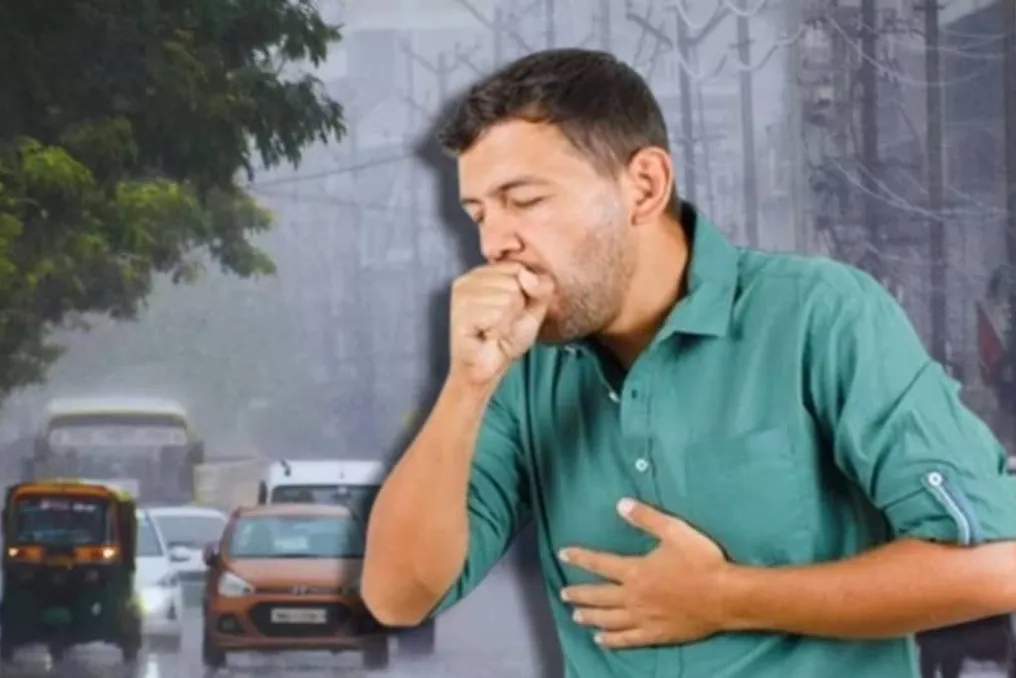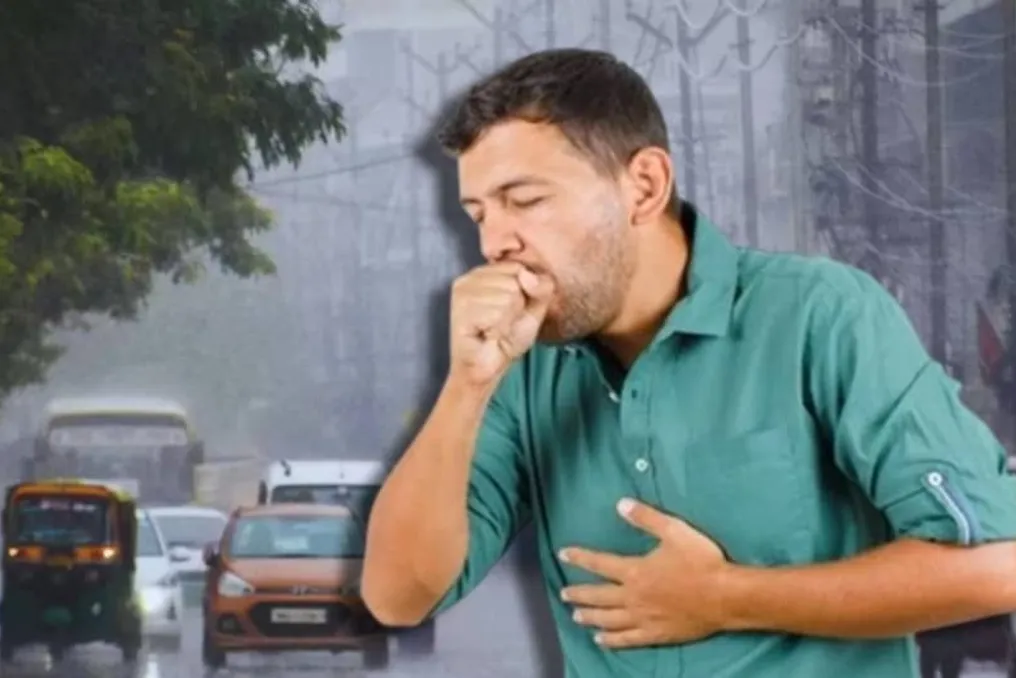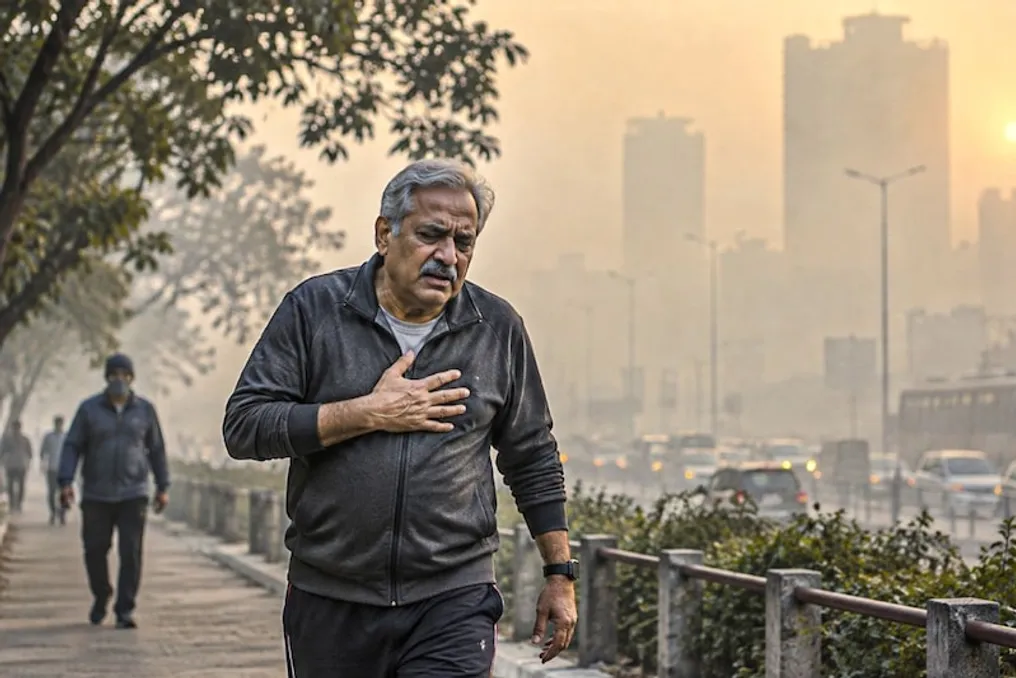
In many areas of Delhi-NCR, the Air Quality Index (AQI) has exceeded the 400 mark. Under such conditions, the risk of health deterioration exists not only for people with asthma or respiratory problems but also for completely healthy citizens. Some people begin to experience a persistent cough, others feel a dryness in their throat, and a third complain of shortness of breath even when climbing stairs. The question arises about how the body reacts to an AQI exceeding 400, which a doctor explained.
Dr. Ankit Bhatia from the Respiratory Medicine department at Yashoda Medicity Hospital explained that an AQI level above 400 indicates extremely poor air quality. During this period, fine pollutants, especially PM2.5, can enter the body along with inhaled air. These particles reach deep parts of the lungs, causing inflammation and irritation. This manifests as various symptoms.
People suffering from diseases such as asthma and COPD may face chest tightness, wheezing, and shortness of breath; this problem can be more serious for asthma patients. However, symptoms can appear even in healthy individuals.
According to Dr. Ankit, even healthy people can develop a cough and throat irritation. Furthermore, exposure to polluted air is not limited to the lungs. Redness and tearing of the eyes, nasal irritation, sneezing, and headaches may occur. Some people also feel fatigue and anxiety. These signs can start just a few hours after contact with polluted air.
Residents are advised to avoid walks in the morning and evening. If it is not an absolute necessity, they should stay indoors. When going outside, it is necessary to use an N95 mask with a good fit. It is also important to keep windows and doors closed at home. If a persistent cough, chest tightness, or shortness of breath persists, a doctor should be consulted.